TYROSINEMIA TYPE 1

Tyrosinemia Type 1 — where nitisinone transformed a previously fatal liver disease into a manageable condition, but hepatocellular carcinoma surveillance remains lifelong because the cancer risk is not eliminated.

Whole genome sequencing identifies all FAH pathogenic variants — confirming the diagnosis that unlocks nitisinone therapy and distinguishing tyrosinemia type 1 from types 2 and 3, which have different management and prognosis.

CLIA CertifiedCAP AccreditedISO 15189 Medical LabACMG ClassifiedHIPAA & GDPR100,000+ Genomes Sequenced

About this condition

Tyrosinemia Type 1

Tyrosinemia type 1 (HT1) is an autosomal recessive disorder caused by deficiency of fumarylacetoacetate hydrolase (FAH, chromosome 15q25.1) — the last enzyme in the tyrosine degradation pathway. FAH deficiency causes accumulation of fumarylacetoacetate and maleylacetoacetate, which are alkylating agents that directly damage hepatocytes and renal tubular cells. HT1 is the most severe of the three tyrosinemias and affects approximately 1 in 100,000 births globally, with higher prevalence in Quebec (1 in 16,500) and Scandinavia.

Before nitisinone, HT1 presented as acute hepatic failure in infancy (often fatal within the first year), chronic liver disease with progressive cirrhosis, renal Fanconi syndrome, porphyria-like neurological crises with severe neuropathic pain, and hepatocellular carcinoma (HCC) — which developed in approximately 37% of patients surviving to age 2. Liver transplantation was the only definitive treatment, with significant morbidity and mortality.

Nitisinone (NTBC, Orfadin), approved in 2002, inhibits 4-hydroxyphenylpyruvate dioxygenase — an enzyme upstream of FAH in the tyrosine pathway — preventing formation of the toxic metabolites. Nitisinone combined with dietary tyrosine and phenylalanine restriction has transformed HT1 from a uniformly fatal condition to a manageable chronic disease. When started in the neonatal period (ideally within the first month of life), nitisinone prevents liver damage, eliminates neurological crises, and dramatically reduces (but does not eliminate) HCC risk. Lifelong hepatic surveillance for HCC with alpha-fetoprotein monitoring and liver imaging is required because the HCC risk, while reduced, is not zero.

Nitisinone must be started within the first month of life for optimal outcomes. Every week of delayed treatment allows accumulation of hepatotoxic metabolites that cause irreversible liver damage. Newborn screening detects HT1 via elevated succinylacetone.

Gene locus
FAH (15q25.1)

Newborn screening detects elevated succinylacetone, but molecular FAH confirmation is required to distinguish HT1 from transient tyrosinemia of the newborn and from tyrosinemia types 2 and 3.

Nitisinone started in the first month of life prevents liver failure — but delayed treatment reduces HCC risk reduction

Studies demonstrate a clear correlation between age at nitisinone initiation and long-term outcomes. Patients started before 1 month have near-normal liver function and the lowest HCC risk. Patients started between 1-6 months have good outcomes but slightly higher residual risk. Patients started after 6 months have accumulated hepatic damage that may not be fully reversible. Rapid molecular confirmation of FAH variants after positive newborn screening enables immediate nitisinone initiation in the first weeks of life — before the liver damage begins.

HCC risk is reduced but not eliminated by nitisinone — lifelong hepatic surveillance is mandatory even with optimal treatment

Before nitisinone, ~37% of HT1 patients surviving to age 2 developed HCC. Nitisinone started early reduces this risk dramatically — but cases of HCC in nitisinone-treated patients have been reported, particularly in those who started treatment later or had suboptimal adherence. All HT1 patients require lifelong hepatic surveillance with alpha-fetoprotein levels and liver MRI. Molecular FAH diagnosis ensures that this cancer surveillance is maintained throughout adolescence and adulthood — a critical period when treatment adherence typically declines and surveillance may lapse.

One test. A lifetime of answers.

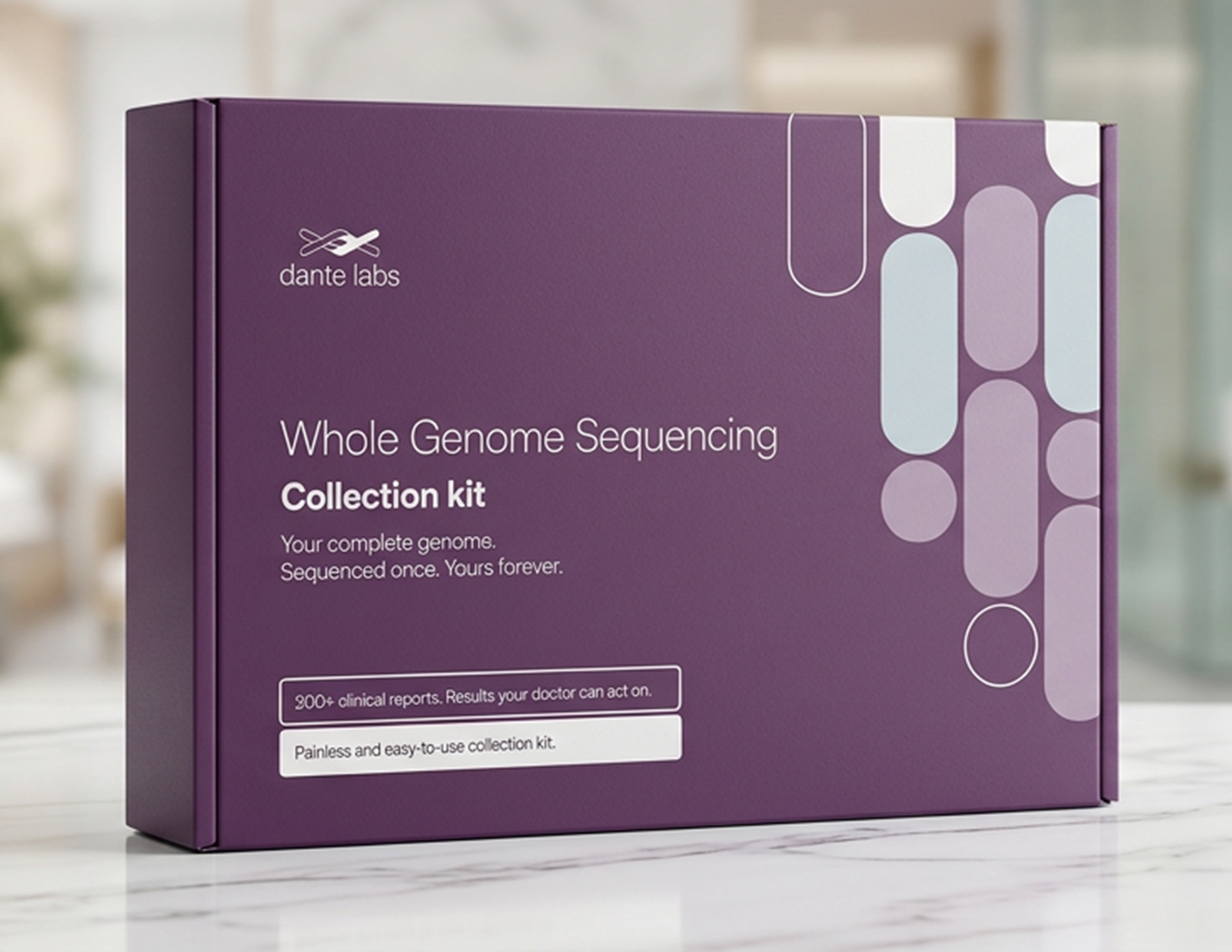
One kit, sent to your home. Your entire genome sequenced at the clinical standard used for diagnostic decisions. 200+ physician-ready reports delivered to your Genome Manager in 6–8 weeks — permanent and updated as science advances.

From $449

Ships within 48 hours · Results in 6–8 weeks