GERD — GENETIC RISK

GERD Genetic Risk — with approximately 30-40% heritability, gastroesophageal reflux has identified susceptibility loci, and CYP2C19 pharmacogenomics determines PPI effectiveness for treatment optimization.

Whole genome sequencing evaluates GERD susceptibility variants, Barrett's esophagus risk loci, and CYP2C19 genotype for PPI pharmacogenomics — connecting reflux genetics with precision treatment.

CLIA CertifiedCAP AccreditedISO 15189 Medical LabACMG ClassifiedHIPAA & GDPR100,000+ Genomes Sequenced

About this condition

GERD — Genetic Susceptibility

Gastroesophageal reflux disease (GERD) affects approximately 20% of Western populations. Twin studies estimate 30-40% heritability. GWAS have identified susceptibility loci near FOXF1 (16q24.1), GDF7 (2p24.1), MHC region (6p21), and CCND1 (11q13) — genes involved in esophageal development, immune regulation, and epithelial integrity.

Barrett's esophagus (the precancerous GERD complication) has distinct genetic risk factors. The CRTC1 locus (19p13.11) and FOXF1 locus are specifically associated with Barrett's and esophageal adenocarcinoma risk. Individuals with these susceptibility variants plus chronic GERD may benefit from earlier endoscopic surveillance for Barrett's detection.

CYP2C19 is the primary PPI metabolizing enzyme. Ultra-rapid metabolizers (CYP2C19 *17/*17, ~5-10% of Europeans) may have inadequate acid suppression on standard PPI doses — requiring dose escalation or switch to vonoprazan (potassium-competitive acid blocker, not CYP2C19 dependent). Poor metabolizers (*2/*2, *2/*3) have higher PPI drug levels and may need dose reduction. CYP2C19 genotyping optimizes PPI therapy.

If your PPI 'doesn't work,' it might be your genes, not the drug. CYP2C19 ultra-rapid metabolizers break down omeprazole too fast — they need dose adjustment or a different acid blocker.

Gene locus
CYP2C19 (10q23.33), FOXF1 (16q24.1), GDF7 (2p24.1), CRTC1 (19p13.11), CCND1 (11q13.3)
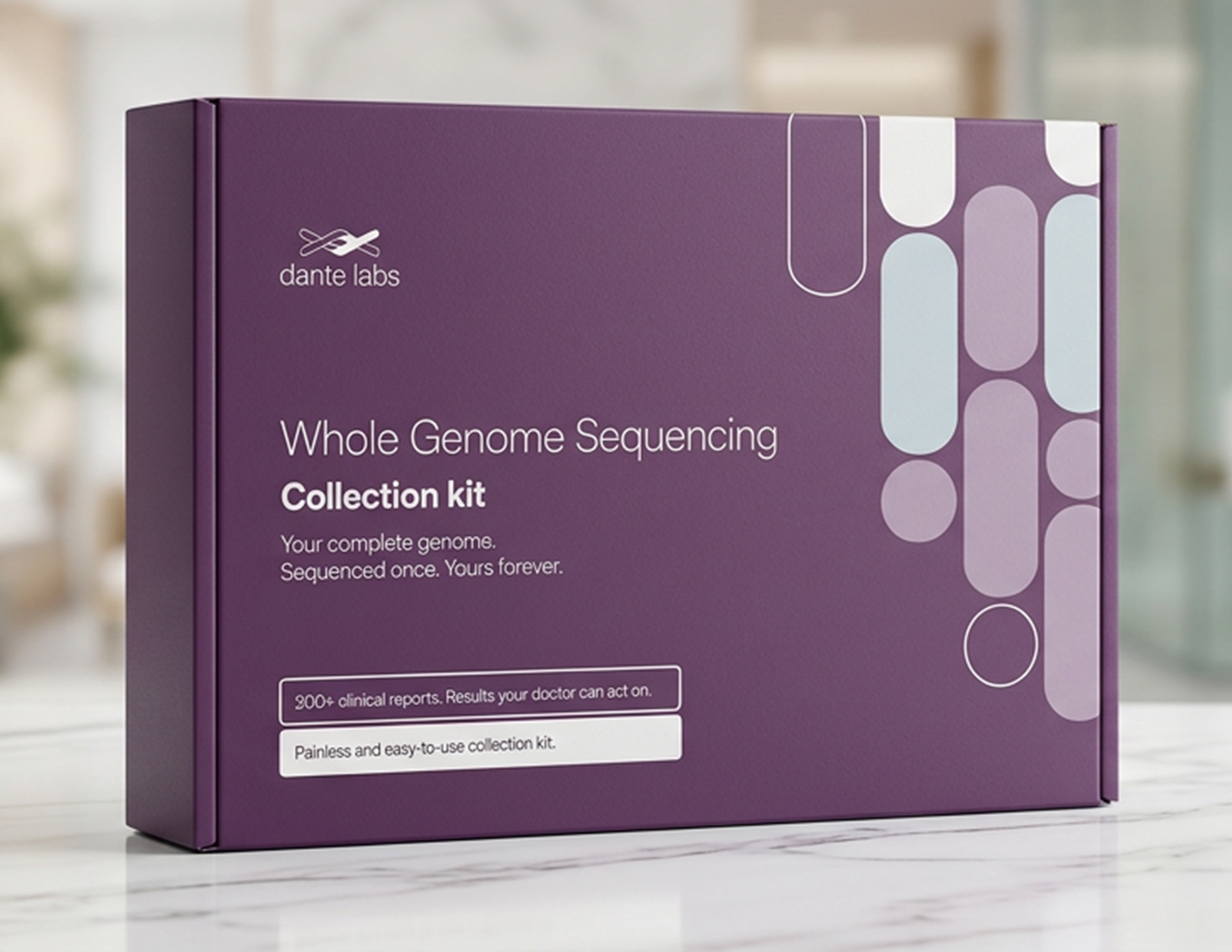
GERD genetics connects susceptibility with Barrett's risk assessment and PPI pharmacogenomics. WGS evaluates all three dimensions from a single test.

CYP2C19 genotype explains why some patients fail PPI therapy — pharmacogenomic-guided dosing improves acid control

CYP2C19 ultra-rapid metabolizers metabolize PPIs too fast for adequate acid suppression. Without pharmacogenomic testing, these patients are labeled 'PPI-refractory' and undergo unnecessary endoscopy or surgery. CYP2C19 genotyping from WGS enables dose optimization or switch to vonoprazan.

Barrett's esophagus risk variants may identify GERD patients who benefit from earlier endoscopic surveillance

Barrett's-specific susceptibility loci (CRTC1, FOXF1) identify GERD patients at higher risk for the precancerous Barrett's transformation. As screening guidelines evolve, genetic risk stratification may personalize the decision of when to perform surveillance endoscopy.

One test. A lifetime of answers.

One kit, sent to your home. Your entire genome sequenced at the clinical standard used for diagnostic decisions. 200+ physician-ready reports delivered to your Genome Manager in 6–8 weeks — permanent and updated as science advances.

From $449

Ships within 48 hours · Results in 6–8 weeks