CONGENITAL DISORDERS OF GLYCOSYLATION

Congenital Disorders of Glycosylation — 170+ genetic subtypes affecting every organ system, where the average diagnostic odyssey lasts years because no single specialist recognizes the full picture.

Whole genome sequencing evaluates all 170+ CDG genes simultaneously — ending multi-year diagnostic odysseys by providing the specific gene diagnosis that unifies seemingly unrelated multisystem symptoms.

CLIA CertifiedCAP AccreditedISO 15189 Medical LabACMG ClassifiedHIPAA & GDPR100,000+ Genomes Sequenced

About this condition

Congenital Disorders of Glycosylation

Congenital disorders of glycosylation (CDG) are a rapidly expanding group of over 170 genetic conditions caused by defects in the glycosylation pathway — the enzymatic process that attaches sugar chains (glycans) to proteins and lipids. Glycosylation is essential for protein folding, cell signaling, immune function, and organ development. Defects in nearly any step of the glycosylation pathway can cause multisystem disease. PMM2-CDG (formerly CDG-Ia), caused by pathogenic variants in PMM2 (phosphomannomutase 2), is the most common subtype, accounting for approximately 70-80% of diagnosed CDG cases.

CDG produces highly variable multisystem disease depending on the affected gene: neurological features (intellectual disability, cerebellar hypoplasia, stroke-like episodes, seizures), hepatic dysfunction (elevated transaminases, protein-losing enteropathy, coagulopathy), skeletal anomalies (inverted nipples, abnormal fat distribution, kyphoscoliosis), hematological abnormalities (coagulopathy from defective glycosylation of clotting factors), ophthalmological findings (retinitis pigmentosa, strabismus), and endocrine dysfunction. The multisystem involvement often leads to fragmented specialist evaluations without unifying diagnosis.

CDG is increasingly recognized as an underdiagnosed condition class — improved awareness and genomic testing have led to exponential growth in identified CDG genes and diagnosed patients. Transferrin isoelectric focusing (TIEF) is the traditional screening test for N-glycosylation CDG, but is normal in most O-glycosylation, GPI-anchor, and lipid glycosylation CDG subtypes. Many CDG subtypes are now only diagnosed through genomic sequencing. Emerging therapies include mannose supplementation (for MPI-CDG, the one CDG with established dietary treatment), acetazolamide (for PMM2-CDG stroke-like episodes), and gene therapy approaches in preclinical development.

MPI-CDG is the one CDG subtype with highly effective dietary treatment — simple oral mannose supplementation. Distinguishing MPI-CDG from PMM2-CDG requires molecular genotyping and has direct treatment implications.

Gene locus
PMM2 (16p13.2), MPI (15q24.1), ALG6 (1p31.3), plus 170+ additional genes
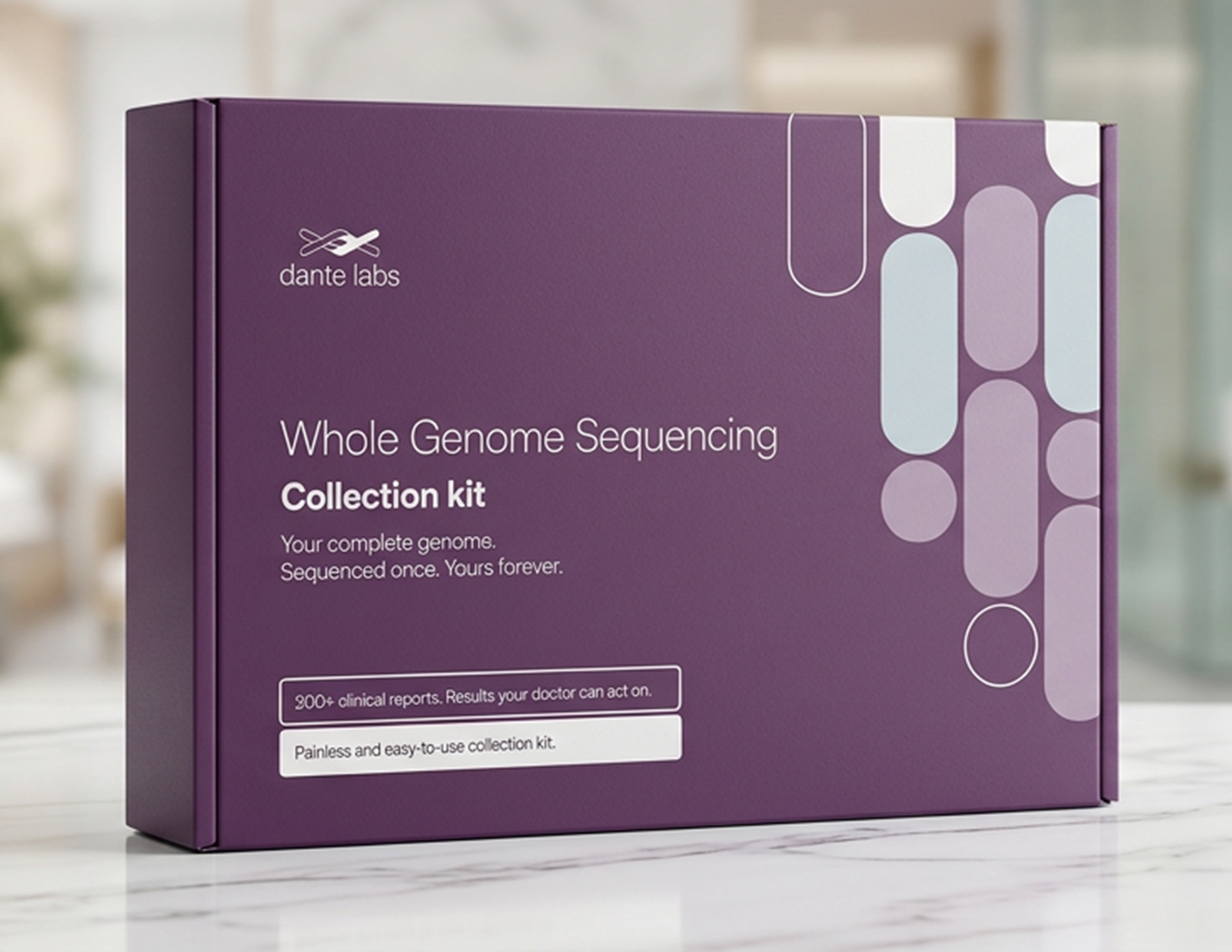
170+ CDG genes cannot be screened by any single biochemical test or gene panel. WGS is the only test that evaluates the complete CDG genetic landscape — including newly described subtypes not yet on any clinical panel.

Average CDG diagnostic delay is 5-7 years — WGS can provide the diagnosis in weeks

CDG patients typically see multiple specialists — neurology, hepatology, hematology, endocrinology — over years before the unifying glycosylation defect is recognized. The multisystem involvement paradoxically delays diagnosis because no single specialist sees the full picture. WGS evaluates all 170+ CDG genes from a single blood sample, potentially providing in weeks the diagnosis that sequential specialist evaluations failed to reach in years. This is precisely the clinical scenario where comprehensive genomic analysis outperforms traditional differential diagnosis approaches.

New CDG genes are discovered annually — only WGS evaluates genes not yet on any clinical panel

The number of known CDG genes has more than doubled in the past decade, with new subtypes described annually. Clinical gene panels are always retrospective — they test genes known at the time the panel was designed, which may be 1-3 years behind current gene discovery. WGS captures the complete genome, enabling reanalysis as new CDG genes are published without requiring additional blood collection or sequencing. Approximately 30% of previously unsolved CDG cases are resolved through WGS-based gene discovery approaches.

One test. A lifetime of answers.

One kit, sent to your home. Your entire genome sequenced at the clinical standard used for diagnostic decisions. 200+ physician-ready reports delivered to your Genome Manager in 6–8 weeks — permanent and updated as science advances.

From $449

Ships within 48 hours · Results in 6–8 weeks