BIOTINIDASE DEFICIENCY

Biotinidase Deficiency — a metabolic disorder where all clinical consequences (seizures, hearing loss, developmental delay, optic atrophy) are completely preventable with a daily biotin vitamin supplement costing pennies.

Whole genome sequencing identifies the specific BTD variant — distinguishing profound from partial biotinidase deficiency — determining whether lifelong biotin supplementation is mandatory or whether reduced monitoring is appropriate.

CLIA CertifiedCAP AccreditedISO 15189 Medical LabACMG ClassifiedHIPAA & GDPR100,000+ Genomes Sequenced

About this condition

Biotinidase Deficiency

Biotinidase deficiency is an autosomal recessive disorder caused by pathogenic variants in BTD (chromosome 3p25.1), encoding the enzyme biotinidase. Biotinidase recycles biotin (vitamin B7) from biocytin and dietary protein-bound biotin. Without biotinidase, the body cannot maintain adequate free biotin levels, leading to deficiency of all biotin-dependent carboxylases — pyruvate carboxylase, propionyl-CoA carboxylase, 3-methylcrotonyl-CoA carboxylase, and acetyl-CoA carboxylase. Profound biotinidase deficiency (<10% residual activity) affects approximately 1 in 60,000 births; partial deficiency (10-30% activity) affects approximately 1 in 110,000.

Untreated profound biotinidase deficiency presents in infancy or early childhood with seizures, hypotonia, developmental delay, eczema-like skin rash, alopecia, recurrent fungal infections (from immunodeficiency), and organic aciduria. Without treatment, irreversible sensorineural hearing loss and optic atrophy develop. Partial biotinidase deficiency may present only during periods of metabolic stress (illness, prolonged fasting). The tragedy of untreated biotinidase deficiency is its complete preventability — all clinical manifestations are prevented by lifelong oral biotin supplementation at pharmacological doses (10-20mg/day).

Universal newborn screening for biotinidase deficiency is performed in all US states and most developed countries. NBS measures biotinidase enzyme activity and identifies affected newborns before symptoms develop. However, NBS does not distinguish between profound and partial deficiency with certainty, and borderline results are common. Molecular BTD genotyping resolves ambiguous NBS results and determines whether the patient has profound deficiency (requiring strict lifelong biotin) or partial deficiency (where the risk of clinical consequences is lower and management may be less intensive).

The BTD variant p.Asp444His (D444H) is present in approximately 4% of the general population and causes partial biotinidase deficiency when homozygous or compound heterozygous with a profound allele. This common variant is the primary cause of ambiguous newborn screening results.

Gene locus
BTD (3p25.1)

Newborn screening enzyme assays cannot reliably distinguish profound from partial biotinidase deficiency. BTD genotyping provides the definitive classification that determines management intensity.

Profound vs. partial biotinidase deficiency determines lifelong management — enzyme assay alone is ambiguous in the borderline range

Biotinidase enzyme activity in the 10-30% range is classified as partial deficiency, but the boundary between profound (<10%) and partial (10-30%) is often ambiguous on enzyme assay alone — sample handling, assay conditions, and patient age affect the measured activity. The clinical distinction matters: profound deficiency requires strict lifelong biotin supplementation without interruption, while partial deficiency carries lower risk and some experts consider biotin supplementation optional after infancy. Molecular BTD genotyping provides the definitive answer — two null/severe alleles confirm profound; compound heterozygosity with D444H or other mild alleles confirms partial.

Biotin supplementation costs pennies per day — but missing the diagnosis costs irreversible hearing and vision

Biotin (vitamin B7) at 10-20mg/day is one of the cheapest therapeutic interventions in medicine. It completely prevents all manifestations of biotinidase deficiency if started before symptoms develop. But once sensorineural hearing loss or optic atrophy occurs, the damage is irreversible — biotin treatment does not restore lost hearing or vision. This makes biotinidase deficiency the paradigm of treatable metabolic disease: the cost of diagnosis and treatment is negligible, but the cost of missed diagnosis is permanent neurological damage. Molecular confirmation eliminates diagnostic uncertainty.

One test. A lifetime of answers.

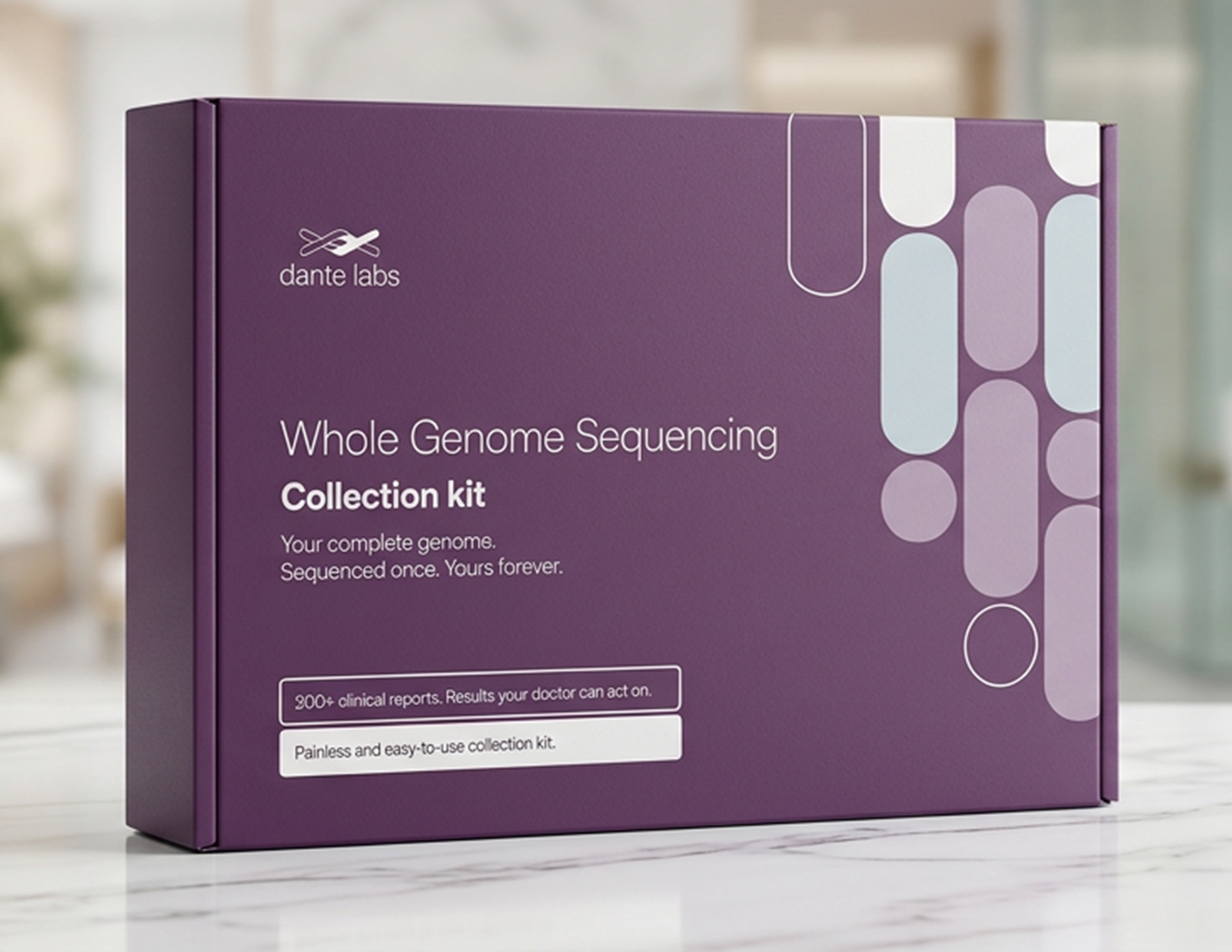
One kit, sent to your home. Your entire genome sequenced at the clinical standard used for diagnostic decisions. 200+ physician-ready reports delivered to your Genome Manager in 6–8 weeks — permanent and updated as science advances.

From $449

Ships within 48 hours · Results in 6–8 weeks