ABOUT HEREDITARY HEMOCHROMATOSIS

Your ferritin keeps climbing and no one has explained why. The answer may be a gene that tells your body to absorb more iron than it can safely use — and knowing changes everything.

Whole genome sequencing identifies HFE variants causing hereditary hemochromatosis — enabling early intervention through simple phlebotomy before iron overload causes organ damage.

CLIA CertifiedCAP AccreditedISO 15189 Medical LabACMG ClassifiedHIPAA & GDPR100,000+ Genomes Sequenced

About this condition

Hereditary Hemochromatosis

Hereditary hemochromatosis is an autosomal recessive disorder of iron metabolism caused by variants in the HFE gene, which encodes a protein regulating hepcidin, the master iron-controlling hormone. The condition leads to excessive intestinal iron absorption, allowing iron to accumulate pathologically in the heart, liver, joints, and pituitary gland. When diagnosed and treated before organ damage develops, prognosis is excellent with normal life expectancy; when diagnosed late, irreversible end-organ damage including cirrhosis, hepatocellular carcinoma, cardiomyopathy, and diabetes can result.

Hereditary hemochromatosis is the most prevalent inherited metabolic disorder in people of Northern European descent, affecting approximately 1 in 200. The predominant variants are C282Y (accounting for 80–90% of cases) and H63D. Clinical penetrance is strikingly sex-skewed: approximately 28% of C282Y homozygous males develop overt disease (typically after age 40), while only approximately 1% of homozygous females develop symptoms due to protective iron loss through menstruation. Age of symptom onset is typically in the fourth to sixth decade in men and post-menopausal in women.

Understanding HFE status has profound implications for individual and family health. A confirmed homozygous C282Y diagnosis triggers therapeutic phlebotomy — the removal of 500 mL of blood weekly until iron levels normalize — a treatment that prevents cirrhosis, reverses early fibrosis, and normalizes cardiac and endocrine function when started before advanced organ damage. Because hemochromatosis follows autosomal recessive inheritance, identification of a proband enables cascade screening of first-degree relatives (25% recurrence risk per sibling), identifying presymptomatic carriers who can begin preventive management before their first symptoms appear.

HFE variants vary in severity: C282Y homozygotes carry the highest disease risk, while compound heterozygotes (C282Y/H63D) have intermediate phenotypes with variable penetrance.

Gene locus
HFE (6p22.2)

Standard hemochromatosis panels test two variants. They miss 10-15% of cases caused by other iron metabolism genes.

The gene causing iron overload may not be on the screening panel

Standard hemochromatosis screening tests only the two most common variants, C282Y and H63D. However, approximately 10-15% of hemochromatosis cases result from variants in other genes, particularly non-HFE juvenile hemochromatosis caused by HJV (hemojuvelin) variants, which present in early adulthood and can rapidly progress to cirrhosis. HAMP (encoding hepcidin), TFR2, and FTL variants account for some cases. Whole genome sequencing captures all HFE variants alongside other iron metabolism genes, providing comprehensive detection beyond the two-variant standard panel.

Identifying iron overload risk changes management completely

A confirmed C282Y homozygous diagnosis initiates therapeutic phlebotomy — the removal of 500 mL of blood weekly until iron stores normalize. This deceptively simple treatment is remarkably effective: it prevents or reverses early liver fibrosis, prevents diabetes progression, normalizes cardiac function, and restores endocrine health when started before advanced organ damage occurs. Equally important, genetic confirmation enables cascade screening of first-degree relatives, identifying presymptomatic carriers who can begin preventive phlebotomy years before symptoms develop, preventing the disease entirely.

One test. A lifetime of answers.

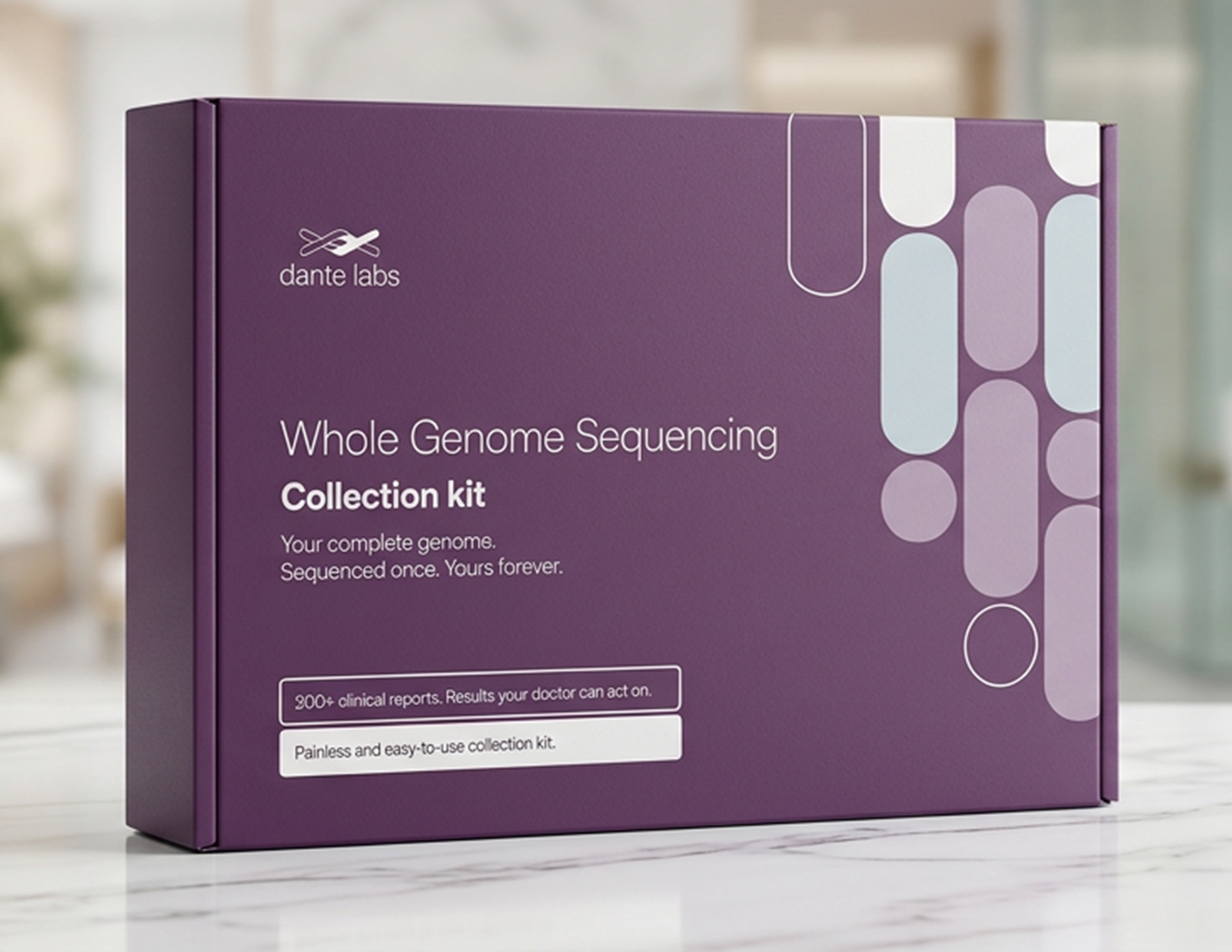
One kit, sent to your home. Your entire genome sequenced at the clinical standard used for diagnostic decisions. 200+ physician-ready reports delivered to your Genome Manager in 6–8 weeks — permanent and updated as science advances.

From $449

Ships within 48 hours · Results in 6–8 weeks