PEUTZ-JEGHERS SYNDROME

Peutz-Jeghers Syndrome — a hereditary hamartoma syndrome carrying >85% cumulative cancer risk across six organ systems, with surveillance protocols that must begin in childhood.

STK11 is on the ACMG SF v3.2 secondary findings list. Whole genome sequencing provides complete STK11 characterization, including the large genomic deletions that account for approximately 30% of PJS cases and are not reliably detected by standard sequencing panels.

CLIA CertifiedCAP AccreditedISO 15189 Medical LabACMG ClassifiedHIPAA & GDPR100,000+ Genomes Sequenced

About this condition

Peutz-Jeghers Syndrome

Peutz-Jeghers syndrome (PJS) is an autosomal dominant hereditary gastrointestinal polyposis and cancer predisposition syndrome caused by germline pathogenic variants in STK11 (serine/threonine kinase 11, also known as LKB1) on chromosome 19p13.3. STK11 encodes a tumor suppressor kinase that activates AMPK and regulates cell polarity and energy metabolism. PJS is characterized by the development of characteristic hamartomatous polyps throughout the gastrointestinal tract (most prominently the small bowel), distinctive mucocutaneous pigmentation (melanin spots on lips, oral mucosa, digits, and perianal region), and dramatically elevated cancer risks across multiple organs. PJS has a prevalence of approximately 1 in 50,000-200,000.

The cumulative lifetime cancer risk in PJS is extraordinarily high — estimated at over 85% by age 70 for any cancer. Individual cancer lifetime risks include: gastrointestinal cancers (small bowel ~13%, colorectal ~40%, gastric ~29%), pancreatic cancer (~36%), breast cancer (~54% in females), gynecological cancers (cervical adenocarcinoma ~10%, uterine ~9%, ovarian sex cord tumor with annular tubules ~21%), and lung cancer (~15%). Surveillance must begin in childhood and must encompass multiple organ systems simultaneously. Small bowel polyps cause recurrent intussusception in childhood, often requiring emergency surgery — preventable with regular small bowel surveillance and prophylactic polypectomy when large polyps are identified.

Approximately 94-96% of PJS cases meeting syndromic diagnostic criteria have an identifiable STK11 pathogenic variant. Large deletions or duplications detectable by MLPA or copy number variant analysis account for approximately 30% of STK11 pathogenic variants — these are missed by standard exon-sequencing-only panels. The remaining ~4-6% of clinical PJS cases without detectable STK11 variants may represent somatic mosaicism, deep intronic variants, or genetic heterogeneity. STK11 is included on the ACMG SF v3.2 secondary findings list, reflecting the availability of effective surveillance interventions that substantially reduce cancer mortality in confirmed carriers.

Gene locus
STK11 (19p13.3)

30% of STK11 pathogenic variants are large deletions missed by standard sequencing panels. In a syndrome where cancer surveillance must start in childhood, a missed diagnosis has lifelong consequences.

One in three PJS-causing STK11 variants are deletions — standard sequencing panels miss them

Approximately 30% of confirmed STK11 pathogenic variants are large genomic deletions spanning one or more exons. Standard next-generation sequencing panels that sequence STK11 coding exons do not reliably detect large deletions without dedicated copy number variant analysis. Several published PJS families with complete clinical phenotype — mucocutaneous pigmentation, multiple hamartomatous polyps, and characteristic family history — were found to have STK11 deletions that preceded negative panel results by months to years. In a syndrome where pediatric small bowel surveillance begins at age 8 (NCCN recommendation) and pancreatic surveillance at age 35, a diagnostic delay of that magnitude has direct cancer prevention consequences.

PJS surveillance spans six different cancer types simultaneously — requiring a single definitive diagnosis to initiate the full protocol

Establishing the STK11 molecular diagnosis triggers a multi-organ surveillance protocol that differs substantially from standard cancer screening recommendations. NCCN PJS guidelines recommend: upper endoscopy and colonoscopy from age 8-10; small bowel/capsule endoscopy from age 8-10; annual breast MRI from age 25 with mammography from age 30; annual pelvic ultrasound or endometrial assessment from age 18; pancreatic surveillance from age 35 (endoscopic ultrasound/MRI); and testicular examination in males from birth (SCTAT risk). No standard cancer screening program covers all of these — a confirmed PJS molecular diagnosis is the prerequisite for initiating the comprehensive protocol that makes surveillance meaningful.

One test. A lifetime of answers.

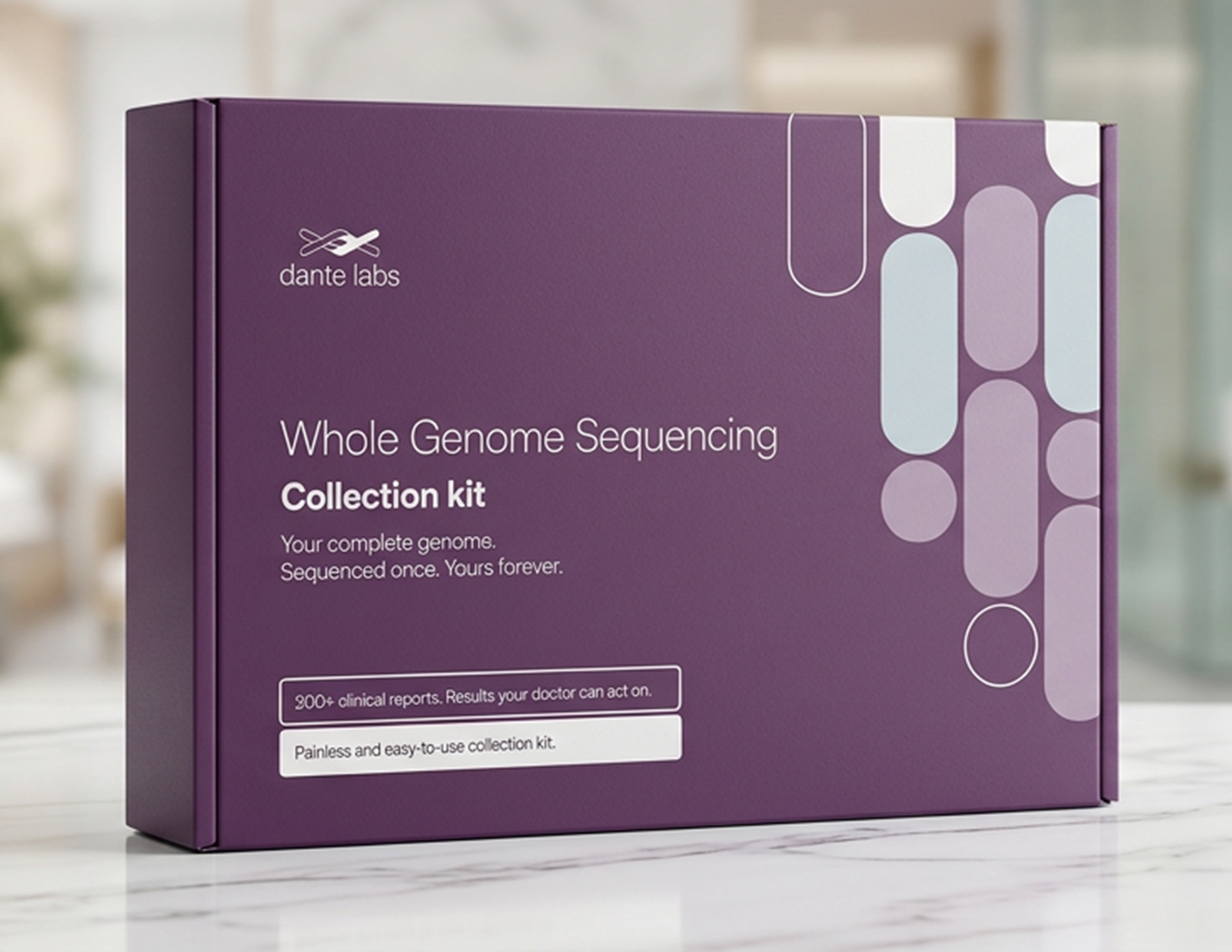
One kit, sent to your home. Your entire genome sequenced at the clinical standard used for diagnostic decisions. 200+ physician-ready reports delivered to your Genome Manager in 6–8 weeks — permanent and updated as science advances.

From $449

Ships within 48 hours · Results in 6–8 weeks