BRCA1 GENE

BRCA1 Gene — pathogenic variants confer 55-72% lifetime breast cancer risk and 39-46% lifetime ovarian cancer risk, with PARP inhibitors transforming outcomes across breast, ovarian, pancreatic, and prostate cancers.

Whole genome sequencing evaluates the complete BRCA1 gene — all 23 exons, intronic regions, structural rearrangements, and large deletions — detecting variants that standard panel tests miss.

CLIA CertifiedCAP AccreditedISO 15189 Medical LabACMG ClassifiedHIPAA & GDPR100,000+ Genomes Sequenced

About this condition

BRCA1 Gene — Comprehensive Testing

BRCA1 (chromosome 17q21.31) encodes a tumor suppressor critical for homologous recombination DNA repair. Pathogenic variants cause hereditary breast-ovarian cancer syndrome. Lifetime risks: breast cancer ~55-72%, ovarian cancer ~39-46%, with significantly earlier onset (median breast cancer ~44 years vs. ~62 for sporadic). Triple-negative breast cancer is enriched in BRCA1 carriers (~70% of BRCA1-associated breast cancers are TNBC).

PARP inhibitors exploit the homologous recombination deficiency in BRCA1-mutant cancers through synthetic lethality. FDA-approved: olaparib for breast, ovarian, pancreatic, prostate; talazoparib for breast; niraparib for ovarian; rucaparib for ovarian and prostate. BRCA1 identification unlocks these targeted therapies across multiple cancer types.

Risk-reducing surgery saves lives: bilateral mastectomy reduces breast cancer risk by ~90%, and risk-reducing salpingo-oophorectomy (RRSO, recommended by age 35-40 for BRCA1) reduces ovarian cancer risk by ~80% and breast cancer risk by ~50%. MRI breast screening begins at age 25 for BRCA1 carriers.

~70% of BRCA1-associated breast cancers are triple-negative — the most aggressive subtype with fewest standard treatment options. PARP inhibitors provide a gene-targeted therapy specifically effective against this aggressive cancer type.

Gene locus
BRCA1 (17q21.31)

BRCA1 testing determines eligibility for PARP inhibitors across 4 cancer types, risk-reducing surgeries, and enhanced screening. WGS captures the complete gene including structural variants that panels miss.

Standard BRCA panels miss ~5-10% of pathogenic variants — WGS evaluates the complete gene including large rearrangements

Approximately 5-10% of BRCA1 pathogenic variants are large genomic rearrangements (exon deletions, duplications) detectable by MLPA but sometimes missed by sequencing-only panels. WGS captures the entire genomic region, detecting all variant types including deep intronic variants that affect splicing.

PARP inhibitors are FDA-approved for BRCA1-mutant breast, ovarian, pancreatic, and prostate cancers — one gene, four cancer types

BRCA1 identification unlocks olaparib, talazoparib, niraparib, and rucaparib across multiple tumor types. The 'test once, benefit across cancers' approach means that BRCA1 testing has implications extending far beyond breast cancer risk assessment.

One test. A lifetime of answers.

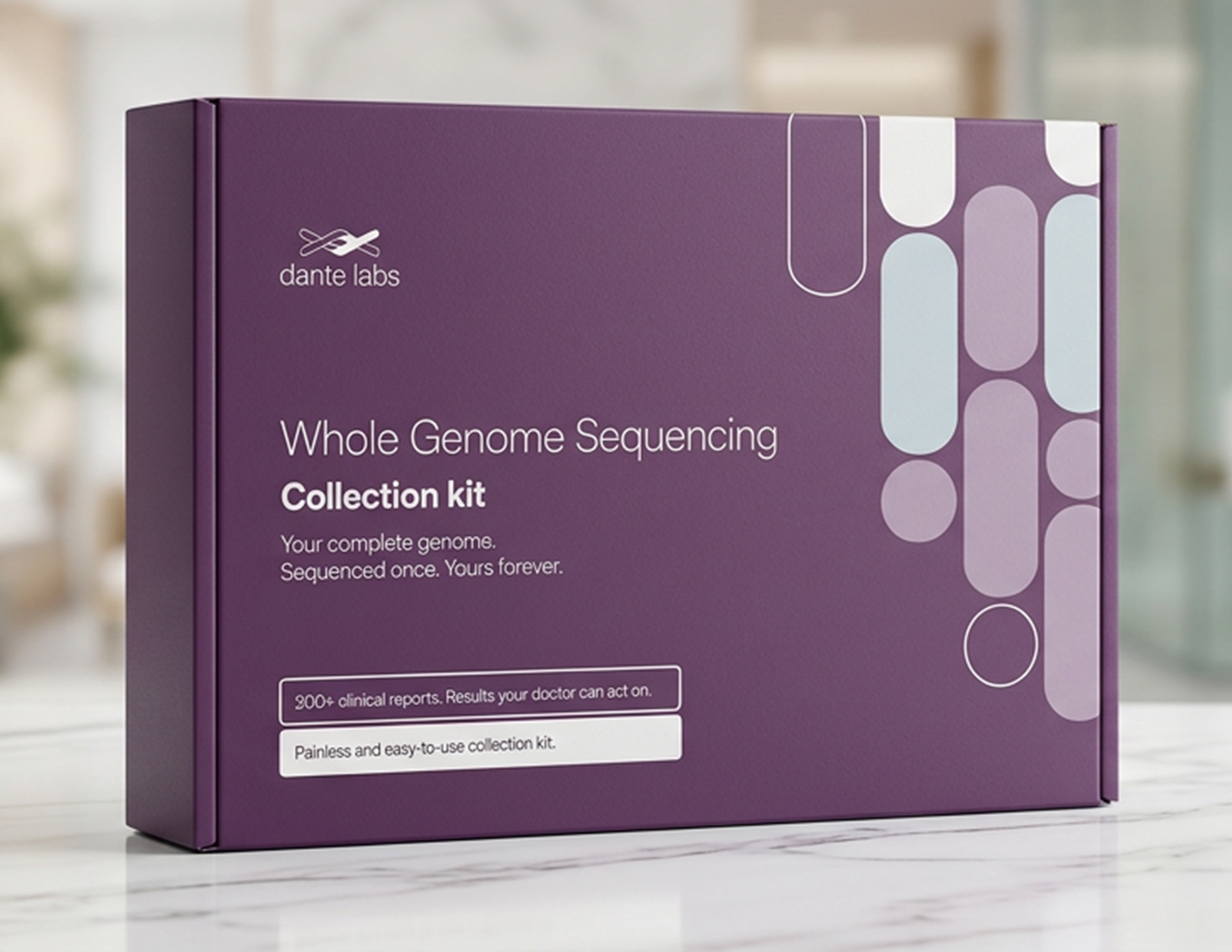
One kit, sent to your home. Your entire genome sequenced at the clinical standard used for diagnostic decisions. 200+ physician-ready reports delivered to your Genome Manager in 6–8 weeks — permanent and updated as science advances.

From $449

Ships within 48 hours · Results in 6–8 weeks