ABOUT BRCA1 AND BRCA2

Your family history isn't a diagnosis. But it's a question that deserves a real answer — not a probability estimate.

Whole genome sequencing identifies the specific inherited variants linked to BRCA1 and BRCA2 — giving you and your physician the complete genetic picture to understand your actual risk and act on it.

CLIA CertifiedCAP AccreditedISO 15189 Medical LabACMG ClassifiedHIPAA & GDPR100,000+ Genomes Sequenced

About this condition

BRCA1 and BRCA2

BRCA1 and BRCA2 are tumor suppressor genes responsible for repairing DNA damage and controlling cell growth. Inherited pathogenic variants in either gene significantly increase lifetime risk of breast, ovarian, and several other cancers. The two genes are distinct in location and function — but both are disrupted by inherited variants that impair their DNA repair capability.

Approximately 1 in 400 people carry a BRCA pathogenic variant — but prevalence varies significantly by ancestry. Over 4,000 distinct pathogenic and likely-pathogenic variants have been identified across both genes, spanning diverse populations and ancestries. The three Ashkenazi Jewish founder mutations are the most commonly screened, but they represent a fraction of the total variant landscape.

Understanding your BRCA status has implications beyond individual risk. Because BRCA variants follow autosomal dominant inheritance, a confirmed finding has immediate, actionable implications for first-degree relatives. One result can reframe the genetic risk picture for an entire family.

BRCA variants span thousands of distinct mutations — each with different penetrance, each associated with different cancer types and risk profiles.

Gene locus
BRCA1 (17q21.31), BRCA2 (13q13.1)

Standard panels test a fixed list — missing more than half of patients with inherited mutations.

The gene causing your risk may not be on the panel

Standard hereditary cancer panels focus on the most commonly studied genes — BRCA1, BRCA2, and a defined list of Lynch syndrome genes. A Mayo Clinic study published in JAMA Oncology (Samadder et al.) found that standard testing guidelines missed more than half of patients with inherited cancer mutations. Whole genome sequencing reads every gene, every variant, across the full genome.

A finding changes the picture for your whole family

Hereditary cancer variants follow inheritance patterns. When a variant is identified, it carries implications for first-degree relatives who may carry the same mutation without knowing it. A single WGS result can trigger cascade testing across a family — converting one person's answer into a preventive opportunity for others.

One test. A lifetime of answers.

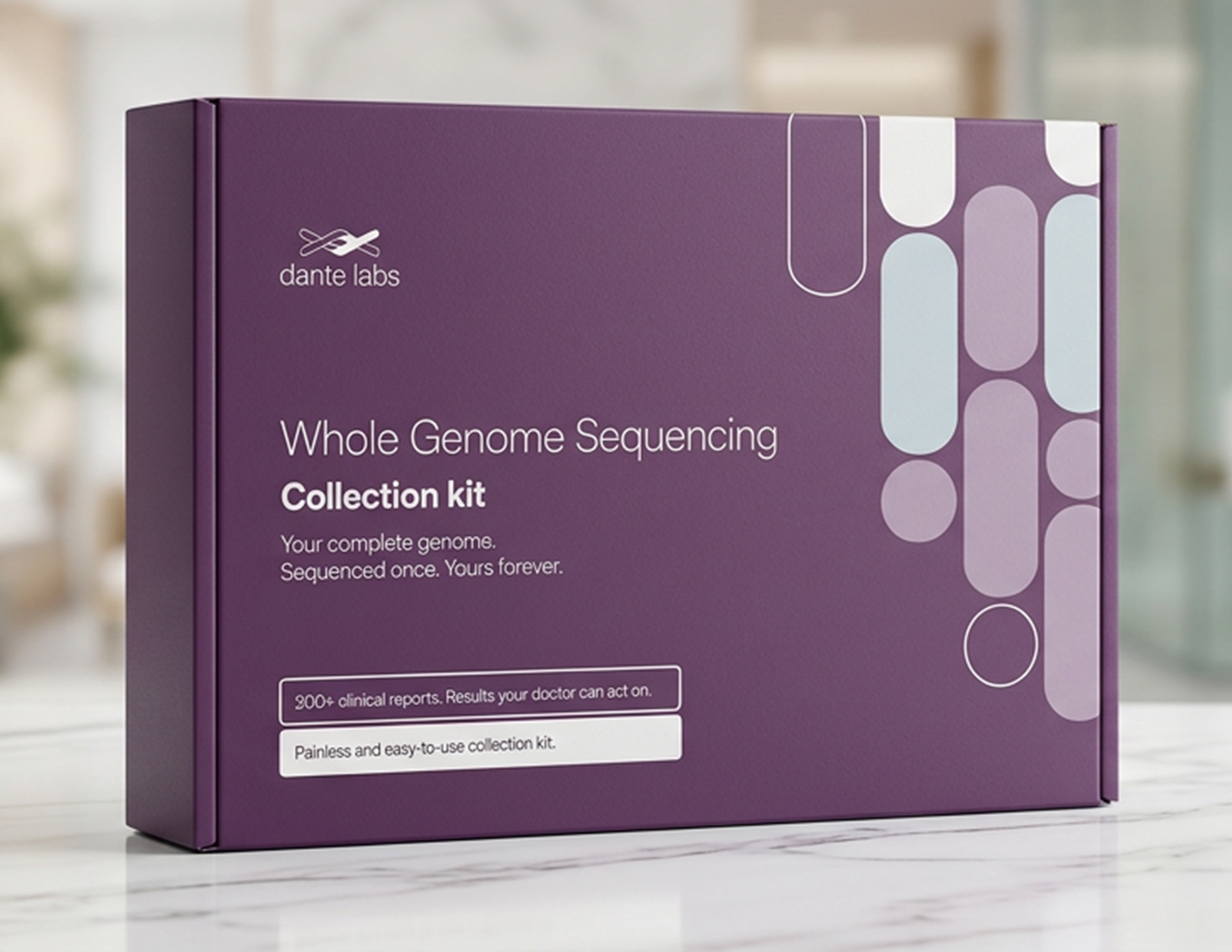
One kit, sent to your home. Your entire genome sequenced at the clinical standard used for diagnostic decisions. 200+ physician-ready reports delivered to your Genome Manager in 6–8 weeks — permanent and updated as science advances.

From $449

Ships within 48 hours · Results in 6–8 weeks