MDS — HEREDITARY

Hereditary MDS — germline variants in DDX41, GATA2, RUNX1, and ETV6 cause hereditary myelodysplastic syndromes, and identifying these variants transforms treatment planning including donor selection for stem cell transplant.

Whole genome sequencing evaluates all hereditary myeloid malignancy predisposition genes — DDX41, GATA2, RUNX1, ETV6, CEBPA, SAMD9/SAMD9L, ANKRD26 — critical for treatment planning and family donor screening.

CLIA CertifiedCAP AccreditedISO 15189 Medical LabACMG ClassifiedHIPAA & GDPR100,000+ Genomes Sequenced

About this condition

Myelodysplastic Syndromes — Hereditary

Myelodysplastic syndromes (MDS) are clonal hematopoietic disorders with risk of AML transformation. While most MDS is acquired, ~10-15% has identifiable germline predisposition. DDX41 is the most common germline MDS gene — often presenting as apparently 'sporadic' MDS/AML in individuals over 60. GATA2 deficiency causes immunodeficiency (MonoMAC syndrome) with progression to MDS/AML in adolescents and young adults.

Identifying germline MDS genes has critical treatment implications: for allogeneic stem cell transplant (the only curative therapy for MDS), related family donors MUST be tested for the germline variant — using a carrier sibling as a donor would transplant the same predisposition. This exclusion of carrier donors is one of the highest-impact genetic findings in hematology.

Additional hereditary MDS genes include RUNX1 (familial platelet disorder with AML predisposition), ETV6, CEBPA (familial AML), SAMD9/SAMD9L (pediatric MDS with monosomy 7), and ANKRD26 (thrombocytopenia with myeloid malignancy risk). WHO 2022 classification now includes 'myeloid neoplasms with germline predisposition' as a formal category.

Using a carrier family member as a stem cell transplant donor would transplant the disease predisposition. Germline MDS testing is MANDATORY before selecting related donors — it's a life-or-death genetic decision.

Gene locus
DDX41 (5q35.3), GATA2 (3q21.3), RUNX1 (21q22.12), ETV6 (12p13.2), CEBPA (19q13.11), SAMD9 (7q21.2)
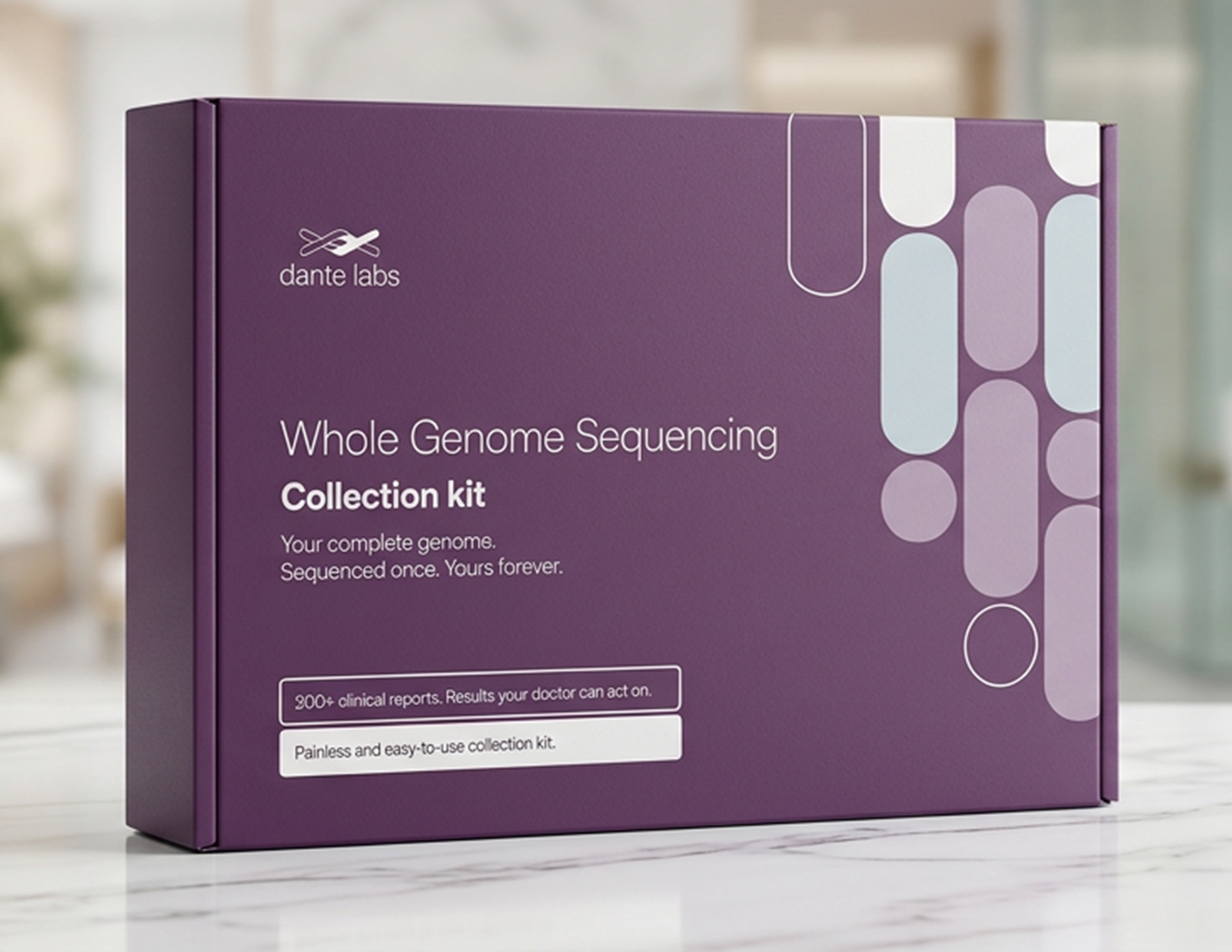
Germline MDS gene identification changes donor selection for stem cell transplant, identifies at-risk family members, and triggers appropriate MDS-specific surveillance.

Related stem cell transplant donors MUST be tested — carrier donors would transplant the predisposition

If an MDS patient has germline DDX41 or GATA2, any sibling considered as a transplant donor must be tested for the same variant. Using a carrier donor transplants the predisposition — the patient may develop a second MDS/AML from donor cells. WGS identifies the germline variant enabling appropriate donor screening.

DDX41 MDS in older adults is frequently missed as 'hereditary' — family testing identifies at-risk siblings

DDX41 germline MDS typically presents after age 60, making it appear sporadic. However, it's autosomal dominant — siblings carry 50% risk. Without germline DDX41 testing, at-risk family members are never identified or monitored with CBC for early MDS detection.

One test. A lifetime of answers.

One kit, sent to your home. Your entire genome sequenced at the clinical standard used for diagnostic decisions. 200+ physician-ready reports delivered to your Genome Manager in 6–8 weeks — permanent and updated as science advances.

From $449

Ships within 48 hours · Results in 6–8 weeks