ABOUT HEREDITARY CANCER

Your family tested negative for BRCA. But the cancers kept coming — because the standard panel didn't include the gene responsible.

Whole genome sequencing identifies pathogenic variants in all cancer susceptibility genes simultaneously — not just the most famous ones. 76% of hereditary cancer mutations are in genes beyond BRCA1 and BRCA2.

CLIA CertifiedCAP AccreditedISO 15189 Medical LabACMG ClassifiedHIPAA & GDPR100,000+ Genomes Sequenced

About this condition

Hereditary Cancer (Multi-Gene Panel)

Hereditary cancer predisposition extends beyond BRCA1 and BRCA2. PALB2 (Partner and Localizer of BRCA2) physically bridges BRCA1 and BRCA2 at DNA damage sites; pathogenic variants disrupt the entire repair complex, conferring 33–58% lifetime breast cancer risk — higher than many individual BRCA1/2 variants. ATM and CHEK2 are moderate-penetrance genes involved in DNA damage response: ATM encodes a kinase that senses double-strand breaks and activates downstream repair proteins; CHEK2 phosphorylates p53 and BRCA1 to halt cell division for repair. Pathogenic variants in these genes collectively increase cancer risk through impaired genome surveillance.

Among women with breast cancer undergoing multigene testing, approximately 1% carry ATM variants and 1.7% carry CHEK2 pathogenic variants — collectively, these moderate-risk genes are more common in the general population than BRCA variants. PALB2 pathogenic variants occur in ~0.5% of the population. Importantly, 76% of CHEK2/ATM/PALB2 carriers would not have qualified for enhanced screening based on BRCA-only testing criteria. The full hereditary cancer landscape is genetically diverse and ancestry-dependent.

Identifying variants in these moderate and high-penetrance genes has distinct clinical implications. PALB2 findings enable MRI surveillance from age 30 and potential PARP inhibitor eligibility if cancer develops. ATM findings inform pancreatic cancer surveillance and radiation-sensitive treatment planning. CHEK2 findings qualify carriers for enhanced breast MRI from age 40 and clarify previously uninformative 'BRCA-negative' hereditary patterns in 5% of such families. Each gene finding represents a distinct pathway to personalized cancer prevention.

The five genes in this panel function at different positions in the DNA damage response pathway, each conferring distinct cancer spectrum, age of onset, and lifetime risk — requiring gene-specific clinical management strategies.

Gene locus
BRCA1 (17q21.31), BRCA2 (13q13.1), PALB2 (16p12.2), ATM (11q22.3), CHEK2 (22q12.1)
BRCA-only testing catches one gene. Standard hereditary cancer panels are designed differently and often miss the genes causing cancer in families with strong histories.

The genes that cause hereditary cancer vary by family

A landmark analysis found that standard testing guidelines missed more than half of patients with inherited cancer mutations. Among families with strong breast cancer histories who tested BRCA-negative, 5% carry CHEK2 variants, 1–2% carry PALB2 or ATM variants. Many commercially available hereditary cancer panels were designed for BRCA1/2 and Lynch Syndrome — they may not include PALB2, ATM, and CHEK2 at all. Whole genome sequencing reads every cancer susceptibility gene simultaneously, eliminating the 'which panel' question.

A finding explains hereditary cancer and opens treatment options

PALB2 findings qualify carriers for MRI surveillance starting at age 30 and eligibility for PARP inhibitor therapy (olaparib) if breast cancer develops. ATM carriers benefit from enhanced surveillance and radiation-sensitive treatment planning — particularly important for cancer therapy decisions. CHEK2 findings enable enhanced breast MRI starting at age 40 and clarify genetic predisposition in families previously labeled 'uninformative.' Each discovery transforms a family's cancer risk from unexplained to actionable.

One test. A lifetime of answers.

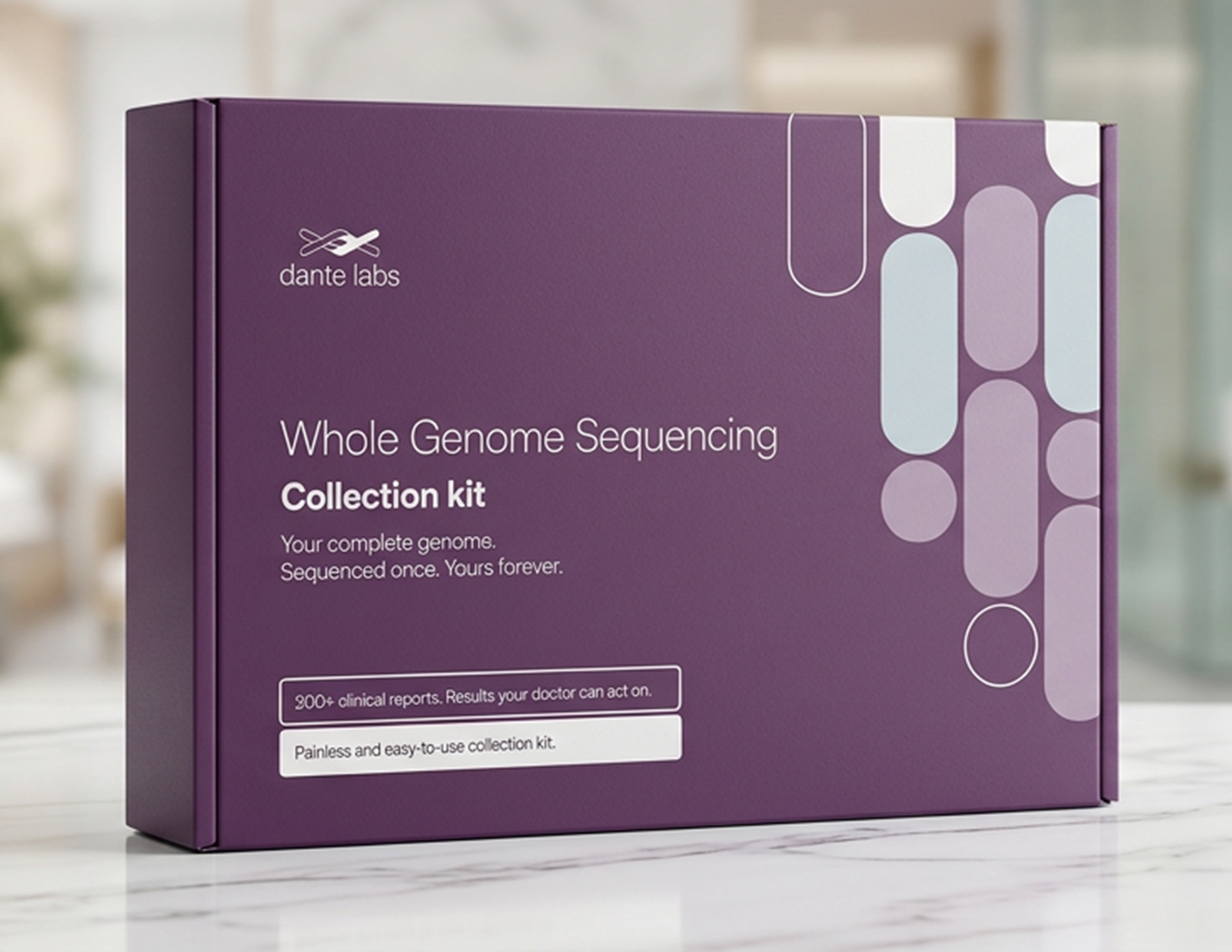
One kit, sent to your home. Your entire genome sequenced at the clinical standard used for diagnostic decisions. 200+ physician-ready reports delivered to your Genome Manager in 6–8 weeks — permanent and updated as science advances.

From $449

Ships within 48 hours · Results in 6–8 weeks