EGFR MUTATION

EGFR Mutation — present in 15-30% of NSCLC adenocarcinoma, EGFR mutations are the prototype for precision oncology, with osimertinib as first-line therapy producing dramatic survival improvements.

Whole genome sequencing evaluates all EGFR mutations — exon 19 deletions, L858R, T790M, exon 20 insertions, and rare variants — providing comprehensive EGFR profiling for targeted therapy selection across multiple generations of EGFR TKIs.

CLIA CertifiedCAP AccreditedISO 15189 Medical LabACMG ClassifiedHIPAA & GDPR100,000+ Genomes Sequenced

About this condition

EGFR Mutation

EGFR (epidermal growth factor receptor, chromosome 7p11.2) mutations are found in 15-30% of NSCLC adenocarcinoma (higher in never-smokers, Asian populations). The two most common activating mutations — exon 19 deletions (~45%) and L858R point mutation (~40%) — confer sensitivity to EGFR tyrosine kinase inhibitors (TKIs).

Osimertinib (Tagrisso), a third-generation EGFR TKI, is now first-line standard of care for EGFR-mutant advanced NSCLC based on FLAURA/FLAURA2 demonstrating significant overall survival improvement. Adjuvant osimertinib (after surgery) also significantly improves disease-free survival in resected EGFR-mutant NSCLC (ADAURA trial).

EGFR exon 20 insertions (~10% of EGFR mutations) are resistant to standard EGFR TKIs but now have targeted options: amivantamab (Rybrevant, EGFR/MET bispecific antibody) and mobocertinib. This mutation-specific treatment selection exemplifies how detailed molecular profiling — beyond simple 'EGFR positive/negative' — guides optimal therapy.

EGFR testing is mandatory for ALL non-squamous NSCLC before treatment initiation. Starting chemotherapy without EGFR results means potentially missing a targeted therapy that could add years to survival.

Gene locus
EGFR (7p11.2)

EGFR-mutant NSCLC patients live significantly longer with osimertinib than chemotherapy. Missing the EGFR mutation means missing the most effective treatment. WGS captures all EGFR variants from a single test.

Osimertinib as first-line EGFR-mutant NSCLC therapy dramatically improves survival — molecular testing is mandatory

FLAURA demonstrated osimertinib improved median overall survival by ~9 months versus first-generation EGFR TKIs in advanced EGFR-mutant NSCLC. Without EGFR molecular testing, patients receive chemotherapy instead — with substantially worse outcomes.

Exon 20 insertions are resistant to standard TKIs but responsive to amivantamab — precise mutation matters

Standard EGFR TKIs (erlotinib, gefitinib, osimertinib) do not work against exon 20 insertions. These patients need amivantamab or mobocertinib. Only detailed EGFR profiling distinguishes treatable exon 19/21 mutations from exon 20 insertions requiring different therapy.

One test. A lifetime of answers.

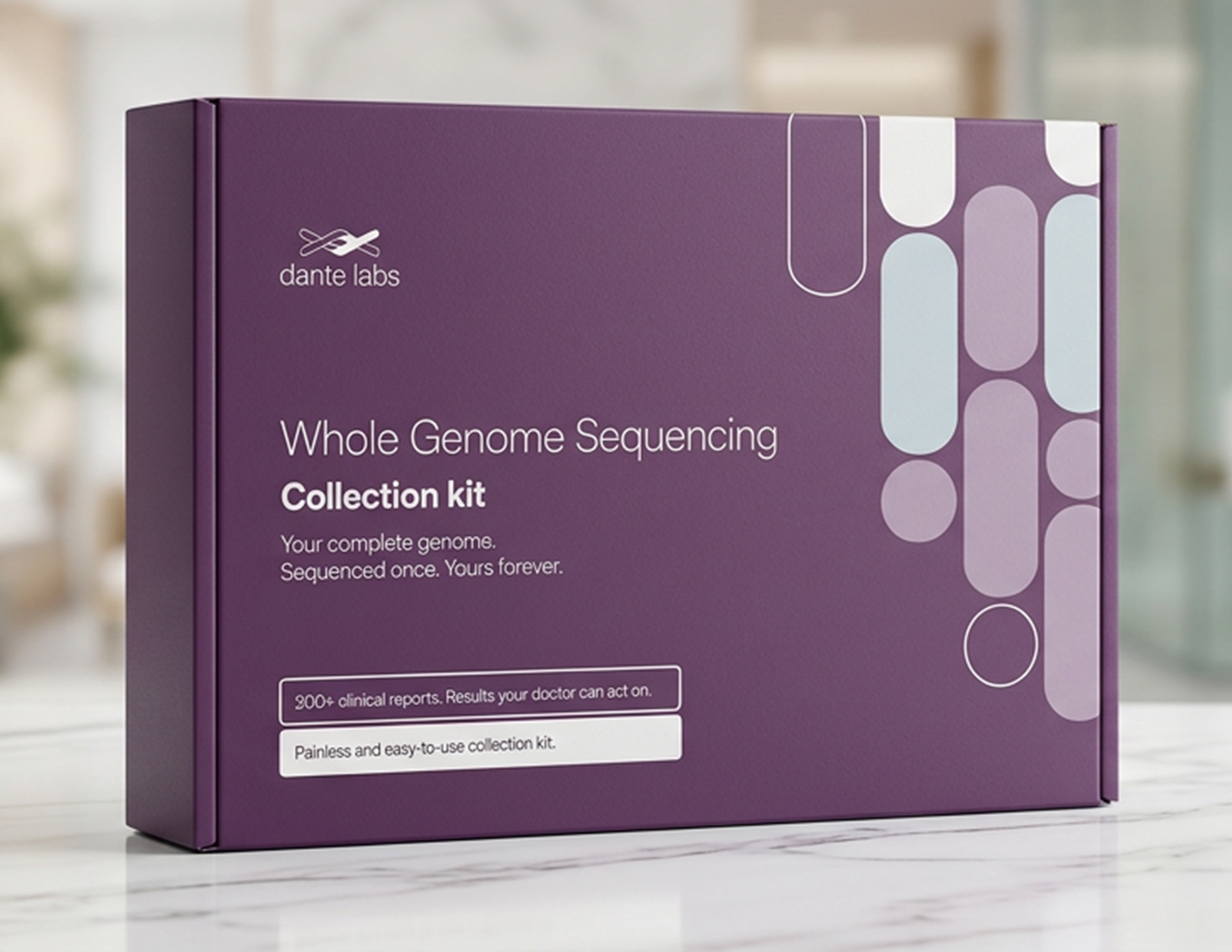
One kit, sent to your home. Your entire genome sequenced at the clinical standard used for diagnostic decisions. 200+ physician-ready reports delivered to your Genome Manager in 6–8 weeks — permanent and updated as science advances.

From $449

Ships within 48 hours · Results in 6–8 weeks