ABOUT CHEK2

You tested negative for BRCA. Your family kept getting breast cancer. The missing answer was a different gene entirely.

Whole genome sequencing identifies CHEK2 variants that explained the hereditary pattern in families previously labeled BRCA-negative — and opens pathways to enhanced screening.

CLIA CertifiedCAP AccreditedISO 15189 Medical LabACMG ClassifiedHIPAA & GDPR100,000+ Genomes Sequenced

About this condition

CHEK2 (Hereditary Cancer Risk)

CHEK2 encodes checkpoint kinase 2, a serine/threonine kinase activated by ATM in response to DNA damage. Once activated, CHEK2 phosphorylates critical cell cycle regulators including p53 and BRCA1, coordinating DNA repair, cell cycle arrest, and apoptosis. Pathogenic CHEK2 variants impair this checkpoint function, allowing damaged cells to continue dividing unchecked. The most studied variant, c.1100delC, produces a truncated, unstable protein. Pathogenic CHEK2 variants are classified as moderate-penetrance — conferring approximately 2–3-fold increased breast cancer risk (lifetime risk ~20–30%), with risk stratified by family history.

CHEK2 is more common in the population than BRCA1/2 — the c.1100delC variant has a carrier frequency of 0.2–1.4% in European populations. Beyond breast cancer, CHEK2 variants are associated with modestly increased risk of prostate, colorectal, kidney, thyroid, and hematological cancers. Biallelic CHEK2 carriers (rare) have substantially higher breast cancer risk than monoallelic carriers. The challenge is that clinical guidelines for CHEK2 management are less established than for BRCA1/2, historically creating provider uncertainty.

A CHEK2 pathogenic variant finding has immediate clinical implications. It explains the hereditary breast cancer pattern in families that tested BRCA-negative — a finding that occurs in approximately 5% of such families. It qualifies carriers for enhanced breast MRI surveillance starting at age 40 (or earlier with family history). For males, it enables prostate cancer awareness and early screening discussion. Cascade testing of first-degree relatives identifies additional carriers who benefit from surveillance, converting one person's genetic discovery into family-wide preventive opportunities.

Gene locus
CHEK2 (22q12.1)

Single-gene BRCA testing and many panels omit CHEK2 entirely. Among women with breast cancer, 1.7% carry CHEK2 variants that standard testing misses.

CHEK2 is absent from BRCA-only and many standard panels

Many hereditary cancer panels were originally designed around BRCA1/2 and Lynch Syndrome genes. CHEK2, ATM, and PALB2 were added later, and not all panels include them. A landmark study showed that 76% of CHEK2 carriers would not qualify for enhanced surveillance under standard BRCA-only testing criteria. Among women with breast cancer undergoing multigene testing, approximately 1.7% carry pathogenic CHEK2 variants. Whole genome sequencing captures all hereditary cancer genes simultaneously, ensuring no variants slip through criteria-based gaps.

A CHEK2 finding clarifies previously unexplained cancer patterns

When a BRCA test is negative but family history remains strong, CHEK2 is often the explanation — a discovery that occurs in 5% of such families. Identifying a CHEK2 variant enables enhanced breast MRI surveillance from age 40, colorectal screening awareness, and prostate cancer monitoring for male carriers. It triggers cascade testing of relatives who may carry the same variant unknowingly. For some families, a CHEK2 finding finally provides the genetic explanation that had been missing.

One test. A lifetime of answers.

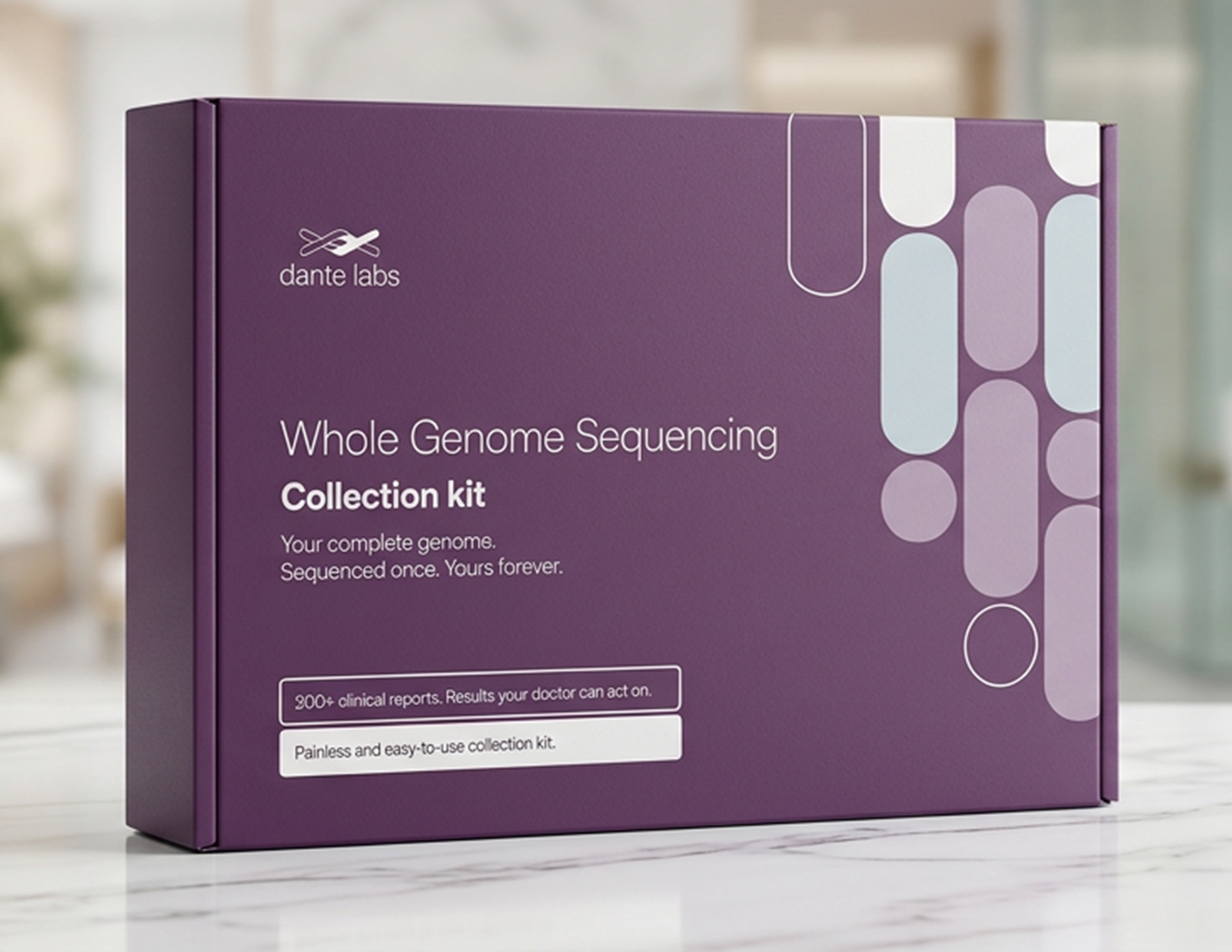
One kit, sent to your home. Your entire genome sequenced at the clinical standard used for diagnostic decisions. 200+ physician-ready reports delivered to your Genome Manager in 6–8 weeks — permanent and updated as science advances.

From $449

Ships within 48 hours · Results in 6–8 weeks