HEREDITARY BONE CANCER

Hereditary Bone Cancer — osteosarcoma occurs in Li-Fraumeni (TP53) and retinoblastoma (RB1) survivors, while hereditary multiple exostoses (EXT1/EXT2) causes benign osteochondromas with risk of chondrosarcoma transformation.

Whole genome sequencing evaluates all hereditary bone tumor genes — TP53, RB1, EXT1, EXT2, RECQL4 (Rothmund-Thomson), SQSTM1 (Paget's) — providing comprehensive bone cancer predisposition assessment.

CLIA CertifiedCAP AccreditedISO 15189 Medical LabACMG ClassifiedHIPAA & GDPR100,000+ Genomes Sequenced

About this condition

Bone Cancer — Hereditary

Hereditary bone cancers are predominantly associated with cancer predisposition syndromes. Li-Fraumeni syndrome (TP53) includes osteosarcoma as a core component — typically childhood/adolescent onset. Hereditary retinoblastoma (RB1) survivors have significantly elevated osteosarcoma risk, both within and outside radiation fields. These two syndromes account for the majority of hereditary osteosarcoma cases.

Hereditary multiple exostoses (HME/MHE, EXT1/EXT2) is the most common hereditary bone tumor condition, affecting ~1 in 50,000. EXT1 and EXT2 encode exostosin glycosyltransferases essential for heparan sulfate biosynthesis. HME causes multiple osteochondromas (benign cartilage-capped bone tumors) with ~2-5% lifetime risk of malignant transformation to chondrosarcoma — requiring lifelong orthopedic surveillance.

Additional hereditary bone tumor associations include Rothmund-Thomson syndrome (RECQL4 — osteosarcoma), Li-Fraumeni-like syndrome (CHEK2), Paget's disease of bone (SQSTM1/p62 — rare giant cell tumor/osteosarcoma transformation), and enchondromatosis (IDH1/IDH2 — Ollier disease/Maffucci syndrome with chondrosarcoma risk).

Hereditary multiple exostoses (EXT1/EXT2) affects 1 in 50,000 — causing benign bone tumors with 2-5% chondrosarcoma risk. Any new pain, growth, or change in an existing exostosis after skeletal maturity warrants urgent imaging.

Gene locus
TP53 (17p13.1), RB1 (13q14.2), EXT1 (8q24.11), EXT2 (11p11.2), RECQL4 (8q24.3)
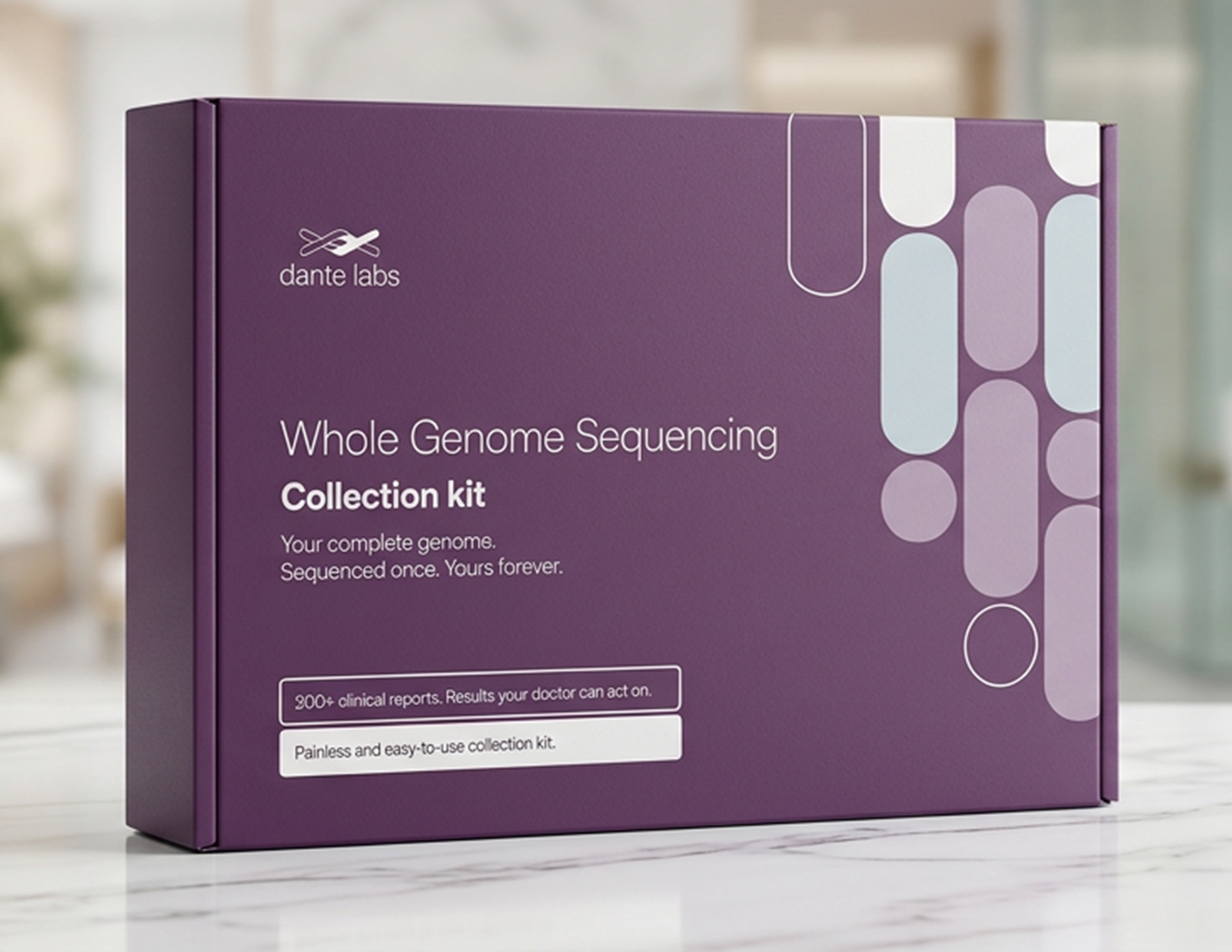
Hereditary bone cancers span Li-Fraumeni (TP53), retinoblastoma (RB1), and hereditary exostoses (EXT1/2). Each requires different surveillance. WGS evaluates all bone tumor genes comprehensively.

Osteosarcoma in a teenager should prompt TP53 and RB1 evaluation — hereditary syndromes require multi-organ surveillance

Osteosarcoma is a core Li-Fraumeni tumor. Confirming TP53 triggers the Toronto WB-MRI protocol for the patient and cascade testing for the family. Without molecular diagnosis, the broader LFS cancer risks go unaddressed.

Hereditary exostoses requires lifelong orthopedic monitoring — growth or pain change after skeletal maturity suggests transformation

EXT1/EXT2 molecular confirmation establishes the diagnosis and triggers appropriate lifelong imaging surveillance for malignant transformation. Without molecular diagnosis, exostoses may be managed as isolated findings rather than part of a hereditary syndrome.

One test. A lifetime of answers.

One kit, sent to your home. Your entire genome sequenced at the clinical standard used for diagnostic decisions. 200+ physician-ready reports delivered to your Genome Manager in 6–8 weeks — permanent and updated as science advances.

From $449

Ships within 48 hours · Results in 6–8 weeks