HEREDITARY BLADDER CANCER

Hereditary Bladder Cancer — NAT2 slow acetylator genotype increases risk through impaired carcinogen metabolism, and Lynch syndrome (particularly MSH2) includes urinary tract cancer as part of the hereditary cancer spectrum.

Whole genome sequencing evaluates NAT2 acetylator status, Lynch syndrome genes (MSH2 — highest urinary tract cancer risk), GSTM1 deletion, and additional bladder cancer susceptibility variants.

CLIA CertifiedCAP AccreditedISO 15189 Medical LabACMG ClassifiedHIPAA & GDPR100,000+ Genomes Sequenced

About this condition

Bladder Cancer — Hereditary

Bladder cancer affects approximately 83,000 Americans annually. While smoking is the dominant environmental risk factor, genetic susceptibility plays a significant role. NAT2 (N-acetyltransferase 2) genotype is the best-established genetic risk factor — slow acetylators (~50-60% of Europeans) have approximately 40% increased bladder cancer risk due to impaired hepatic detoxification of aromatic amine carcinogens (from tobacco smoke and occupational exposures). GSTM1 null genotype (homozygous deletion, ~50% of populations) further impairs carcinogen detoxification and independently increases risk.

Lynch syndrome — particularly MSH2 pathogenic variants — confers elevated risk of upper urinary tract urothelial carcinoma (renal pelvis and ureter cancer). MSH2 carriers have approximately 12-18x increased risk of upper tract urothelial cancer compared to the general population. This association is strong enough that unexplained upper tract urothelial cancer in a patient under 60 should prompt Lynch syndrome evaluation. Lynch-associated urothelial cancers are MSI-high and may respond to immune checkpoint inhibitors (pembrolizumab), similar to Lynch-associated colorectal cancer.

Additional hereditary bladder cancer associations include RB1 (retinoblastoma gene — survivors have elevated bladder cancer risk, possibly related to cyclophosphamide treatment), FGFR3 (germline variants may predispose to low-grade papillary bladder cancer), and emerging GWAS loci that influence urothelial biology and carcinogen susceptibility. Pharmacogenomic NAT2 genotyping has dual utility — assessing bladder cancer risk AND guiding drug metabolism for medications metabolized by NAT2 (isoniazid, hydralazine, sulfonamides).

NAT2 slow acetylators have dual clinical relevance: increased bladder cancer risk AND altered drug metabolism. If you're a slow acetylator who smokes, your bladder cancer risk is substantially elevated — making smoking cessation even more urgent.

Gene locus
NAT2 (8p22), GSTM1 (1p13.3), MSH2 (2p21), RB1 (13q14.2), FGFR3 (4p16.3)
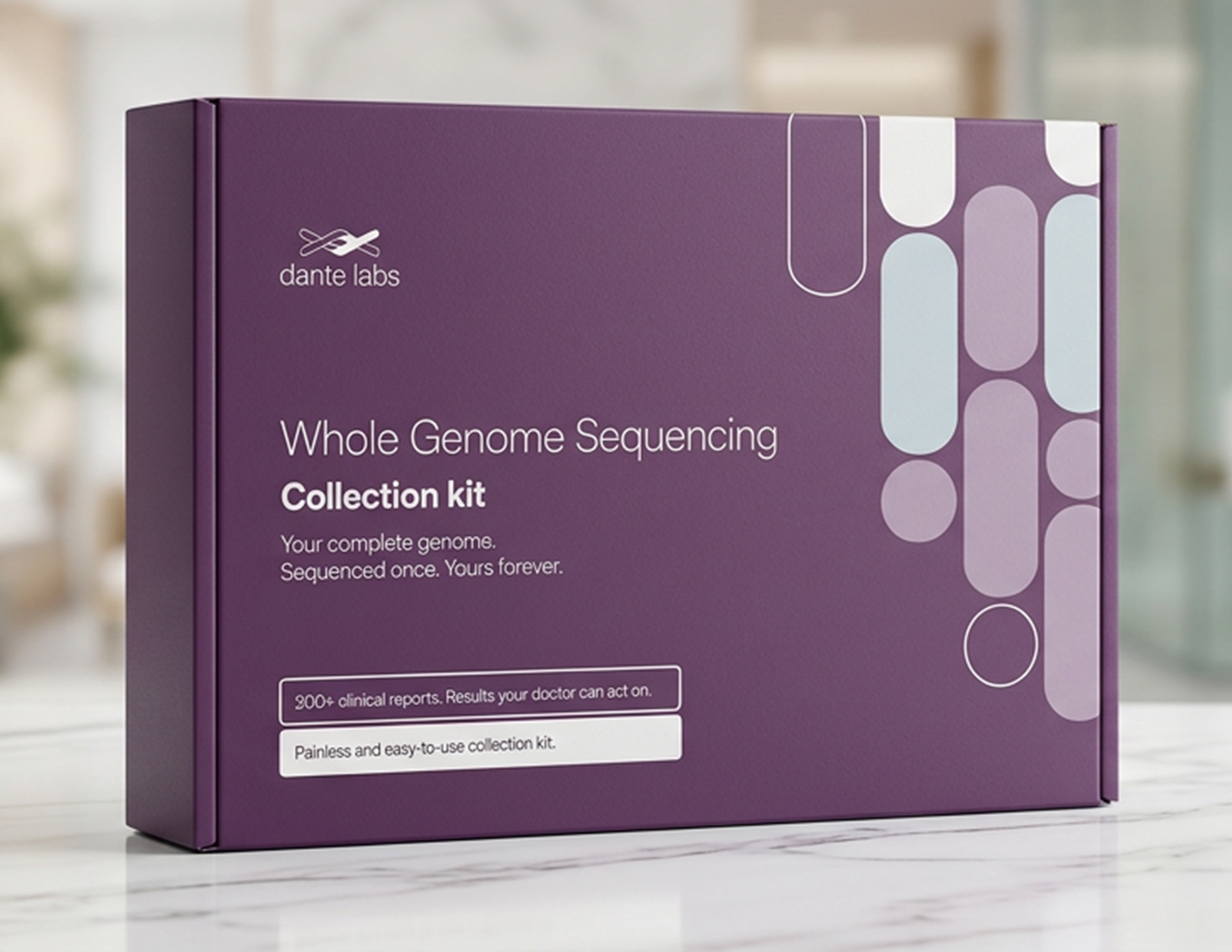
NAT2 genotype simultaneously assesses bladder cancer risk and pharmacogenomic drug metabolism. Lynch syndrome (MSH2) bladder cancers respond to immunotherapy. WGS captures both cancer genetics and pharmacogenomics.

NAT2 slow acetylators who smoke have compounded bladder cancer risk — genotype-informed risk counseling enhances smoking cessation motivation

The combination of NAT2 slow acetylator genotype and tobacco smoking produces a multiplicative interaction for bladder cancer risk. Informing a patient that they carry a genetic variant that impairs their ability to detoxify tobacco carcinogens — specifically increasing their bladder cancer risk — provides a powerful personalized motivator for smoking cessation. This pharmacogenomic counseling approach has been shown to enhance cessation motivation in clinical studies.

Unexplained upper tract urothelial cancer should trigger Lynch testing — MSH2 carriers have immunotherapy-responsive tumors

Upper tract urothelial carcinoma (renal pelvis, ureter) in a patient under 60 without obvious risk factors should prompt MSH2/Lynch syndrome evaluation. Lynch-associated urothelial cancers are MSI-high and respond to pembrolizumab. Additionally, Lynch diagnosis triggers cascade family testing and cancer surveillance protocols that prevent colorectal, endometrial, and other Lynch-associated cancers in family members.

One test. A lifetime of answers.

One kit, sent to your home. Your entire genome sequenced at the clinical standard used for diagnostic decisions. 200+ physician-ready reports delivered to your Genome Manager in 6–8 weeks — permanent and updated as science advances.

From $449

Ships within 48 hours · Results in 6–8 weeks