ABOUT WARFARIN SENSITIVITY

Starting a blood thinner shouldn't mean weeks of dose guessing. Your CYP2C9 and VKORC1 variants can tell your physician the right dose range before the first pill.

Whole genome sequencing identifies your warfarin metabolism profile — enabling genotype-guided dosing that reduces adverse events during the critical early weeks of therapy.

CLIA CertifiedCAP AccreditedISO 15189 Medical LabACMG ClassifiedHIPAA & GDPR100,000+ Genomes Sequenced

About this condition

Warfarin Sensitivity

Warfarin is an anticoagulant with a narrow therapeutic window and highly variable dose requirements between patients — dose variance of 10-60-fold has been documented in clinical practice. Genetic variation in two genes, CYP2C9 and VKORC1, explains approximately 55% of this dose variance, with the remainder attributable to clinical factors (age, body weight, dietary vitamin K, drug interactions, disease state). VKORC1 encodes vitamin K epoxide reductase, the enzyme warfarin inhibits; VKORC1 -1639G>A variant frequency is approximately 45% in European populations. The CYP2C9 gene variants *2 and *3 reduce clearance of the active S-enantiomer of warfarin, increasing its half-life and necessitating lower doses.

CYP2C9*2 (Arg144Cys) reduces S-warfarin clearance to approximately 60-70% of normal in heterozygotes or 30-40% in homozygotes. CYP2C9*3 (Ile359Leu) is more severe, reducing clearance to approximately 10-20% of normal in homozygotes. VKORC1 -1639G>A (rs9923231) is a promoter variant; the AA genotype markedly reduces VKORC1 expression, making warfarin more potent and requiring approximately 50% lower anticoagulation doses. The GG genotype (approximately 55% of Europeans) requires standard or higher-than-standard doses. CYP2C9*1/*2 heterozygotes require approximately 30-40% dose reduction; *1/*3 heterozygotes require approximately 50% reduction; *2/*3 or *3/*3 require approximately 60-80% dose reduction.

For patients starting warfarin, CYP2C9 and VKORC1 genotyping enables more accurate initial dosing using validated algorithms, reducing time to therapeutic INR and decreasing bleeding or clotting complications during dose titration. Patients with poor metabolizer genotypes (CYP2C9*3/*3) or VKORC1 AA genotype should begin at substantially lower initial doses (e.g., 2.5-3 mg daily vs standard 5 mg) and require more frequent INR monitoring. The FDA updated warfarin labeling in 2007 to include information about CYP2C9 and VKORC1 variants, and the CPIC published detailed dosing algorithms based on genotype, recognizing the clinical impact of these variants.

Gene locus
CYP2C9 (10q23.33), VKORC1 (16p11.2)

Standard panels test only 2 CYP2C9 variants and one VKORC1 variant. They miss rare mutations affecting warfarin metabolism.

Warfarin pharmacogenomics testing remains uncommon at therapy initiation

Warfarin pharmacogenomics testing is not universally ordered at therapy initiation, and many patients are dosed empirically with INR titration — a safe but slower approach requiring frequent monitoring and repeated dose adjustments. When testing is ordered, standard panels typically include only CYP2C9*2 and *3, and VKORC1 -1639G>A, missing other rare variants in both genes that also affect warfarin metabolism. Patients with novel or rare variants may receive inaccurate phenotype predictions. Whole genome sequencing captures all CYP2C9 and VKORC1 variants, enabling comprehensive metabolizer phenotyping from the first warfarin dose.

Your warfarin dose must match your genetic dosing requirement

For patients starting warfarin, CYP2C9 and VKORC1 genotyping enables more accurate initial dosing, reducing time to therapeutic INR and decreasing bleeding or clotting complications during dose titration. Patients with poor metabolizer genotypes should begin at substantially lower initial doses and require more frequent INR monitoring. For patients already stable on warfarin, genotyping can explain dose requirements and guide dose adjustments if compliance is questioned. Genotype documented in medical records and communicated to patients enables informed discussion of myopathy monitoring and drug interactions, preventing dangerous dosing errors.

One test. A lifetime of answers.

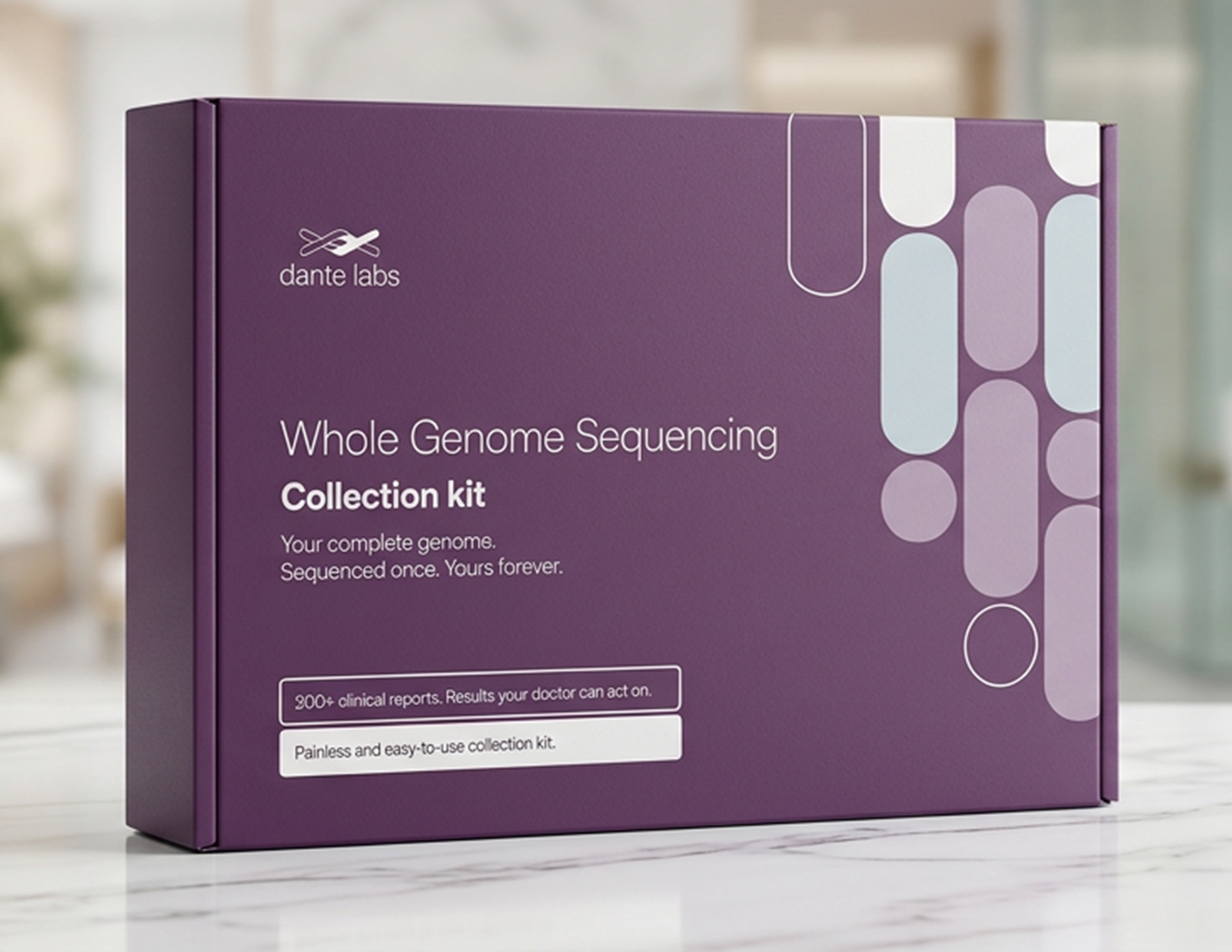
One kit, sent to your home. Your entire genome sequenced at the clinical standard used for diagnostic decisions. 200+ physician-ready reports delivered to your Genome Manager in 6–8 weeks — permanent and updated as science advances.

From $449

Ships within 48 hours · Results in 6–8 weeks