5-FLUOROURACIL TOXICITY — DPYD

5-Fluorouracil Toxicity — DPYD variants that turn standard chemotherapy doses into life-threatening overdoses, now mandated for pre-treatment screening by the European Medicines Agency.

Whole genome sequencing identifies all DPYD variants — including the rare alleles beyond the standard four-variant panel — providing the complete genotype needed to prevent fluoropyrimidine toxicity before the first chemotherapy infusion.

CLIA CertifiedCAP AccreditedISO 15189 Medical LabACMG ClassifiedHIPAA & GDPR100,000+ Genomes Sequenced

About this condition

5-Fluorouracil Toxicity — DPYD

5-Fluorouracil (5-FU) and its oral prodrug capecitabine are among the most widely prescribed chemotherapy agents worldwide, forming the backbone of treatment regimens for colorectal, gastric, pancreatic, breast, and head and neck cancers. More than 2 million patients receive fluoropyrimidine-based chemotherapy annually. Dihydropyrimidine dehydrogenase (DPD), encoded by the DPYD gene, is responsible for the rate-limiting step in fluoropyrimidine catabolism — it degrades over 80% of administered 5-FU. Patients with partial or complete DPD deficiency cannot clear 5-FU at normal rates, resulting in prolonged exposure to cytotoxic drug levels.

DPYD deficiency causes severe and potentially fatal fluoropyrimidine toxicity including grade 3-4 neutropenia, severe mucositis, hand-foot syndrome, diarrhea, and in the most severe cases, sepsis, multi-organ failure, and death. Approximately 3-8% of the general population carries at least one DPYD variant associated with reduced DPD activity. Complete DPD deficiency (homozygous or compound heterozygous for loss-of-function variants) is rare (~0.1%) but carries a mortality rate exceeding 10% with standard-dose fluoropyrimidine treatment. Four DPYD variants account for the majority of clinically significant DPD deficiency: DPYD*2A (c.1905+1G>A, IVS14+1G>A), c.2846A>T (p.Asp949Val), c.1679T>G (DPYD*13, p.Ile560Ser), and c.1236G>A/HapB3.

The European Medicines Agency (EMA) mandated pre-treatment DPYD genotyping for all patients receiving fluoropyrimidine chemotherapy effective 2020, recommending at minimum testing for the four variants above with dose reduction of 25-50% for heterozygous carriers and avoidance of fluoropyrimidines for complete DPD deficiency. CPIC and DPWG guidelines (Level A) provide detailed genotype-to-phenotype translation and dosing recommendations. Despite the clinical evidence and regulatory mandates, implementation of pre-treatment DPYD testing remains inconsistent — particularly in the United States, where it is recommended but not universally required.

Over 30 DPYD variants with reduced function have been documented. The standard four-variant DPYD panel captures approximately 50-80% of clinically significant DPD deficiency; the remaining cases carry rare variants detectable only by complete gene sequencing.

Gene locus
DPYD (1p21.3)

Standard DPYD panels test four variants that explain only 50-80% of clinically significant DPD deficiency. Rare DPYD variants that cause severe toxicity exist in every population and require complete gene sequencing to detect.

The standard four-variant panel misses a substantial fraction of DPD-deficient patients

Multiple studies have documented patients who experienced severe fluoropyrimidine toxicity despite testing negative on standard four-variant DPYD panels. A Dutch study of fluoropyrimidine-related deaths found that approximately 30-50% of patients with lethal toxicity were negative for the four standard variants — they carried rare DPYD variants not included on the standard panel. Over 30 DPYD coding variants with reduced or absent enzyme activity have been characterized; many are population-specific and present at frequencies too low for inclusion on fixed-content panels but high enough to account for a meaningful fraction of severe toxicity events at the population level. Complete DPYD sequencing by whole genome analysis captures all of these.

The DPYD result is needed before the first chemotherapy dose — not after toxicity occurs

Fluoropyrimidine toxicity in DPD-deficient patients typically manifests during the first cycle of treatment. Once severe toxicity has occurred, the clinical damage — neutropenic sepsis, severe mucositis, toxic death — cannot be reversed by dose reduction in subsequent cycles. Pre-treatment DPYD genotyping enables prospective dose adjustment before any drug exposure occurs. For carriers of the four standard variants, CPIC recommends 25-50% dose reduction with subsequent dose titration based on tolerability; for patients with complete DPD deficiency, fluoropyrimidines are contraindicated entirely and alternative agents must be selected. Having the complete DPYD genotype in the medical record before oncology treatment planning begins enables these critical decisions.

One test. A lifetime of answers.

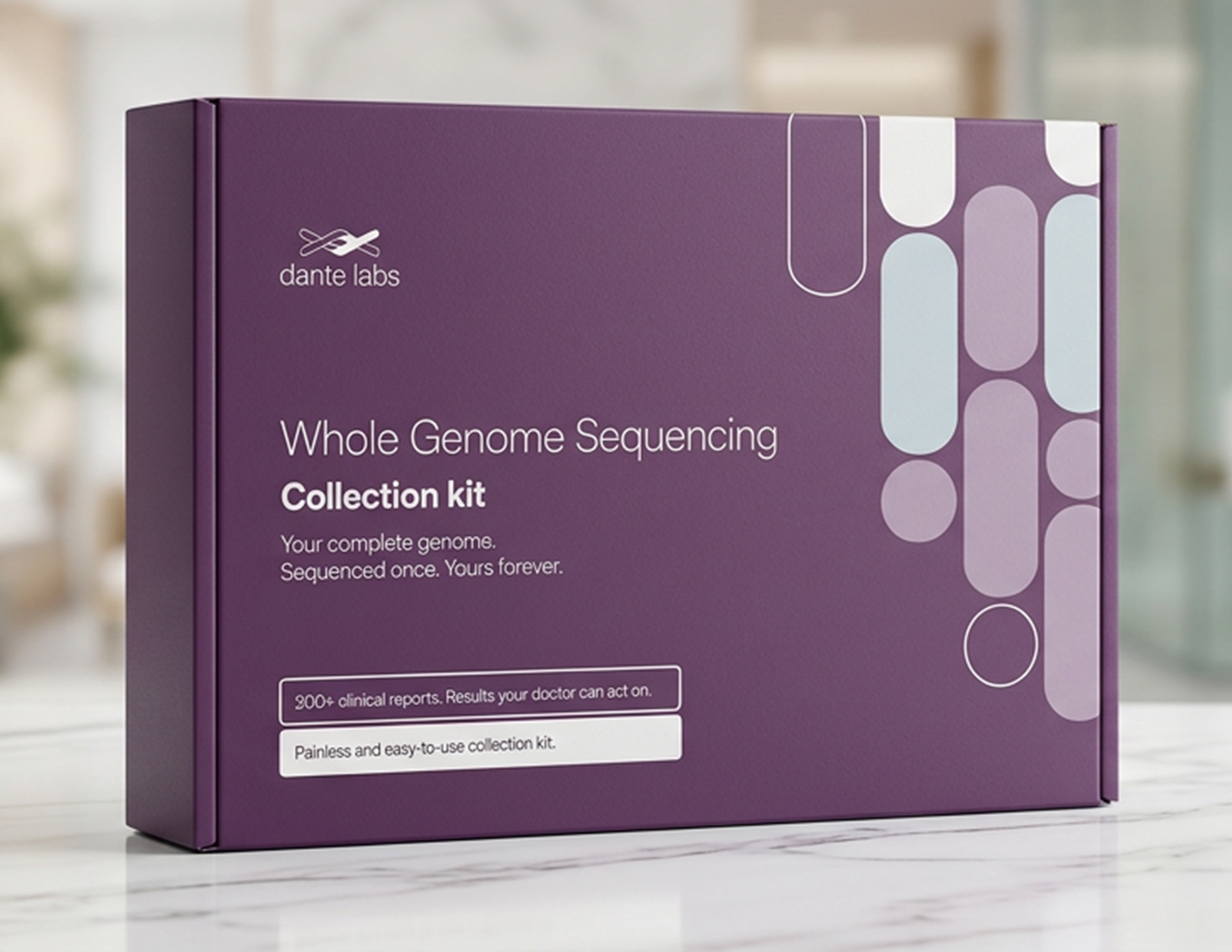
One kit, sent to your home. Your entire genome sequenced at the clinical standard used for diagnostic decisions. 200+ physician-ready reports delivered to your Genome Manager in 6–8 weeks — permanent and updated as science advances.

From $449

Ships within 48 hours · Results in 6–8 weeks