UTERINE FIBROIDS — GENETIC

Uterine Fibroids Genetic Risk — affecting 70-80% of women by age 50, fibroids have approximately 50% heritability with strong racial disparities and identified susceptibility genes influencing risk, growth rate, and treatment response.

Whole genome sequencing evaluates fibroid susceptibility genes — GWAS loci, FH (fumarate hydratase for aggressive hereditary leiomyomatosis), and emerging pharmacogenomic factors — providing genetic risk assessment and treatment guidance.

CLIA CertifiedCAP AccreditedISO 15189 Medical LabACMG ClassifiedHIPAA & GDPR100,000+ Genomes Sequenced

About this condition

Uterine Fibroids — Genetic Risk

Uterine fibroids (leiomyomas) are the most common benign tumors in women, affecting 70-80% by age 50. Fibroids have approximately 50% heritability — first-degree relatives of affected women have 2.5x increased risk. Black women have approximately 3x higher fibroid incidence, earlier onset, and larger fibroids compared to white women — a disparity with both genetic and socioeconomic components.

MED12 somatic mutations are found in approximately 70% of fibroids, representing the most common genomic alteration. HMGA2 rearrangements cause a distinct fibroid subtype. Germline susceptibility loci identified by GWAS include variants at 10q24.33, 11p15.5, 22q13.1, and SNPs near TNRC6B, OBFC1, and BET1L. These common variants contribute to the polygenic risk that determines who develops symptomatic fibroids.

FH (fumarate hydratase) pathogenic variants cause hereditary leiomyomatosis and renal cell cancer (HLRCC) — a syndrome of aggressive uterine fibroids AND renal cell carcinoma. HLRCC fibroids are more cellular, more symptomatic, and often develop at a younger age. Identification of FH/HLRCC is critical because it triggers kidney surveillance for the associated aggressive renal cell carcinoma (collecting duct type, which requires early detection for cure).

FH-deficient fibroids (HLRCC) look different and behave aggressively — AND they come with kidney cancer risk. Any woman with early-onset, unusually symptomatic fibroids should have FH testing. Kidney surveillance could save her life.

Gene locus
FH (1q43), MED12 (Xq13.1), HMGA2 (12q14.3), GWAS loci (10q24.33, 11p15.5, 22q13.1)
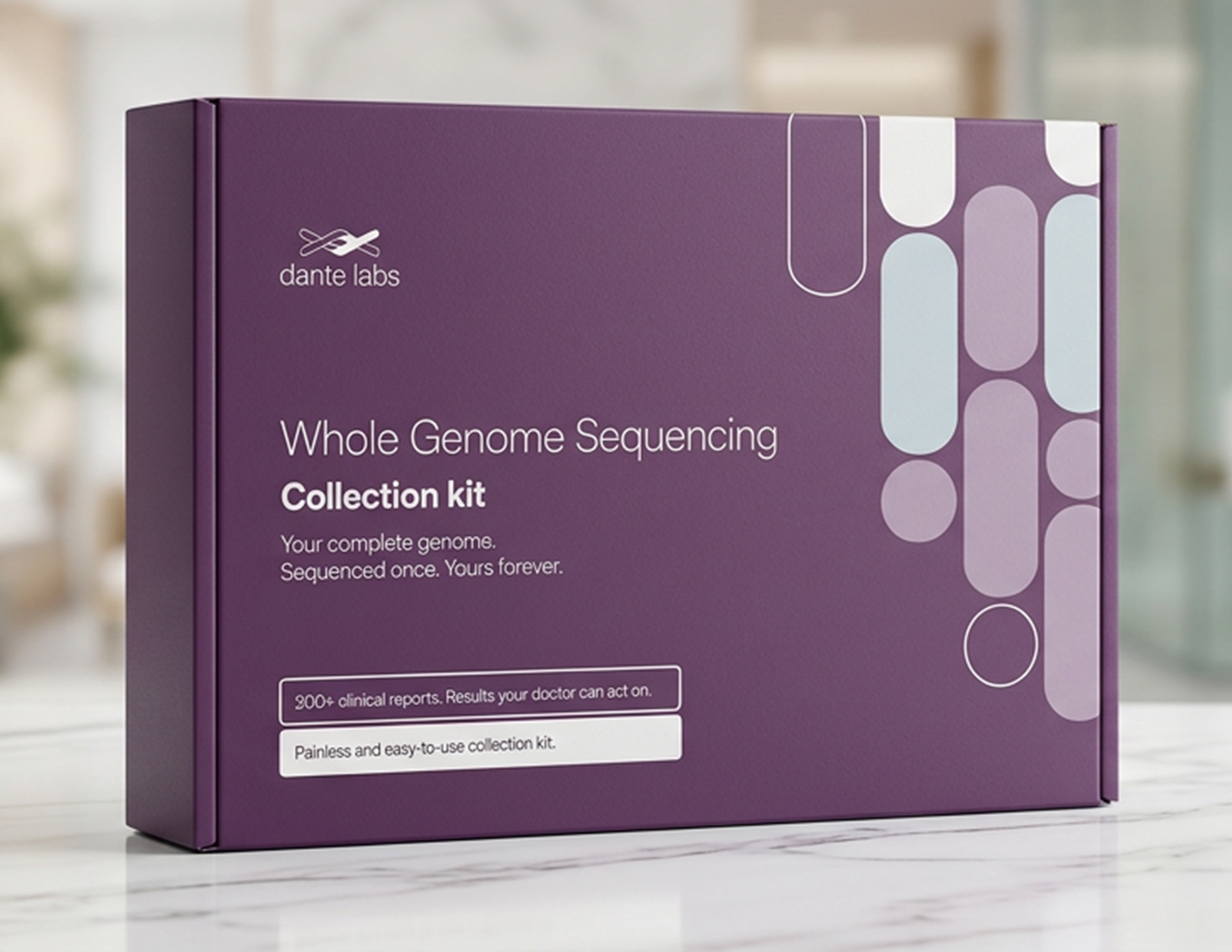
Fibroids are genomically heterogeneous. FH/HLRCC identification is critical for kidney cancer surveillance. WGS evaluates FH plus all fibroid susceptibility loci.

FH/HLRCC fibroids are aggressive AND come with kidney cancer — molecular diagnosis triggers renal surveillance

FH pathogenic variants cause both aggressive uterine fibroids and collecting duct renal cell carcinoma. Without FH molecular testing, the fibroid-kidney cancer connection is never identified. WGS evaluates FH alongside all fibroid susceptibility variants.

Fibroid susceptibility variants may guide treatment selection — hormonal vs. surgical vs. medical management

As fibroid pharmacogenomics advances, genetic subtyping may guide treatment selection: GnRH antagonists (elagolix, relugolix), selective progesterone receptor modulators (ulipristal), uterine artery embolization, or surgery. The genomic fibroid subtype (MED12-driven vs. HMGA2-rearranged) may predict treatment response.

One test. A lifetime of answers.

One kit, sent to your home. Your entire genome sequenced at the clinical standard used for diagnostic decisions. 200+ physician-ready reports delivered to your Genome Manager in 6–8 weeks — permanent and updated as science advances.

From $449

Ships within 48 hours · Results in 6–8 weeks