EOSINOPHILIC ESOPHAGITIS

Eosinophilic Esophagitis Genetic Risk — with approximately 50% heritability, EoE has identified susceptibility genes including TSLP and eotaxin-3, and dupilumab represents the first FDA-approved biologic for this increasingly common condition.

Whole genome sequencing evaluates TSLP, CCL26 (eotaxin-3), CAPN14, and additional EoE susceptibility loci — providing genetic risk assessment for this condition affecting 1 in 2,000 Americans.

CLIA CertifiedCAP AccreditedISO 15189 Medical LabACMG ClassifiedHIPAA & GDPR100,000+ Genomes Sequenced

About this condition

Eosinophilic Esophagitis — Genetic

Eosinophilic esophagitis (EoE) is a chronic immune-mediated esophageal disease affecting approximately 1 in 2,000 Americans, with rapidly increasing prevalence. EoE has strong genetic heritability (~50%) and sibling risk ratio of ~64x — one of the highest sibling recurrence risks of any complex genetic disease. Males are affected 3x more than females.

Key susceptibility genes include TSLP (thymic stromal lymphopoietin — a master alarmin cytokine), CCL26 (eotaxin-3 — the primary eosinophil chemoattractant to the esophagus), CAPN14 (calpain 14 — highly expressed in esophageal epithelium), and multiple loci near IL-33 and IL-13 pathway genes. These genetic findings have directly informed therapeutic development.

Dupilumab (anti-IL-4Rα — blocks IL-4 and IL-13) is FDA-approved for EoE. Targeting TSLP (tezepelumab) and IL-13 (cendakimab) are in clinical trials based on the genetic architecture. PPI-responsive EoE may have distinct genetic risk factors from PPI-refractory EoE. Genetic stratification may eventually guide treatment selection between swallowed topical steroids, PPIs, dietary therapy, and biologics.

EoE sibling recurrence risk is ~64x — among the highest of any complex genetic disease. First-degree relatives of EoE patients should be screened for symptoms of dysphagia, food impaction, and esophageal narrowing.

Gene locus
TSLP (5q22.1), CCL26 (7q11.23), CAPN14 (2p23.1), IL13 (5q31.1)
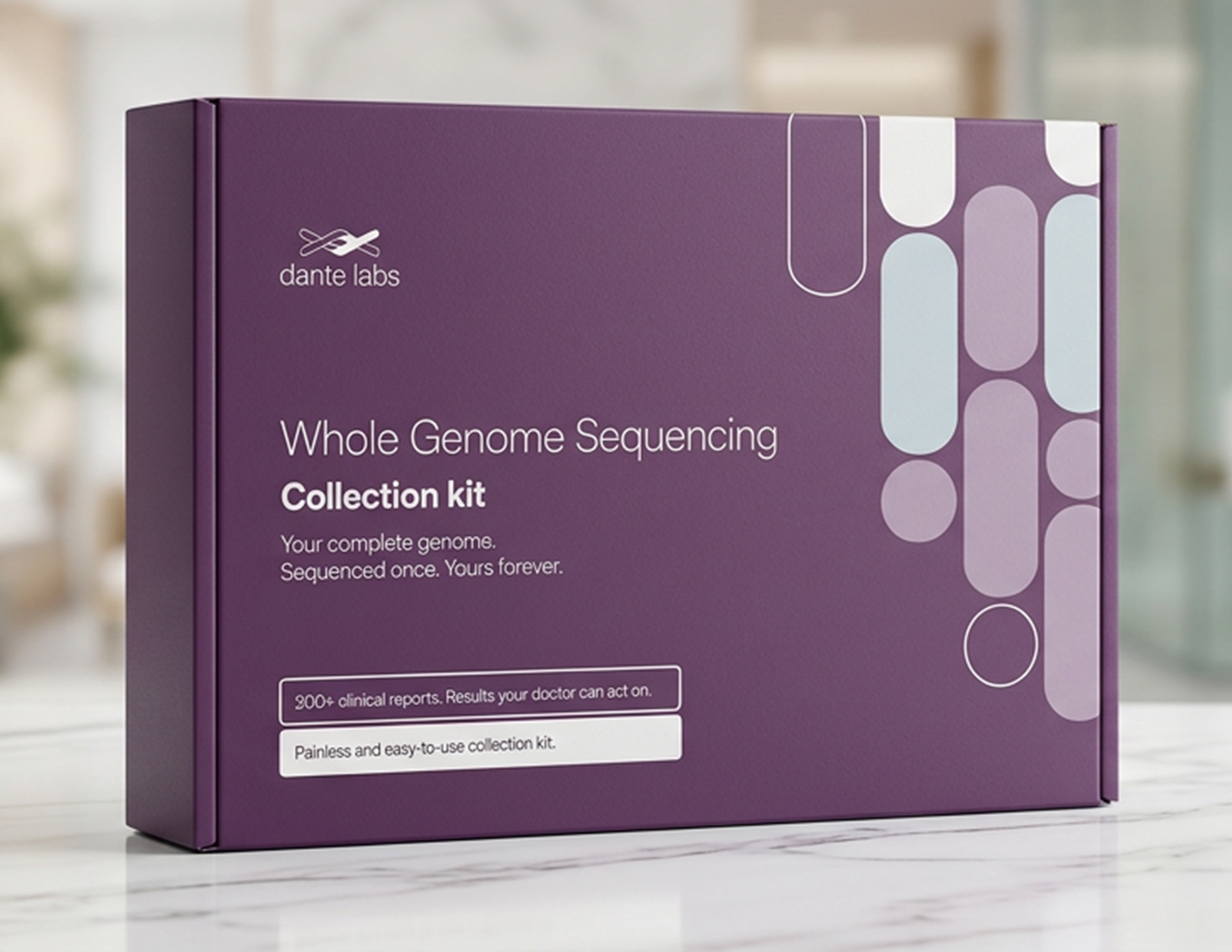
EoE has ~50% heritability with identified drug targets. WGS evaluates all susceptibility loci and may guide future treatment stratification between biologics, steroids, and dietary therapy.

EoE susceptibility genes directly informed therapeutic development — TSLP and IL-13 pathway drugs emerged from genetic findings

Dupilumab (IL-4/IL-13), tezepelumab (anti-TSLP), and cendakimab (IL-13) were developed based on the genetic architecture of EoE. This gene-to-drug pipeline makes EoE a model for genetically-informed therapeutic development.

Family screening identifies undiagnosed EoE — 64x sibling risk means relatives should be evaluated

With 64x sibling recurrence risk, many family members of EoE patients have undiagnosed eosinophilic esophagitis. Genetic risk assessment supports proactive screening of symptomatic relatives.

One test. A lifetime of answers.

One kit, sent to your home. Your entire genome sequenced at the clinical standard used for diagnostic decisions. 200+ physician-ready reports delivered to your Genome Manager in 6–8 weeks — permanent and updated as science advances.

From $449

Ships within 48 hours · Results in 6–8 weeks