SICKLE CELL DISEASE

Sickle Cell Disease — a single nucleotide change in HBB that reshapes red cell architecture, obstructs microcirculation, and defines a lifetime of clinical management.

Whole genome sequencing characterizes the complete HBB genotype — including compound heterozygous combinations, severity-modifying loci, and co-inherited alpha-thalassemia variants that standard carrier screens systematically miss.

CLIA CertifiedCAP AccreditedISO 15189 Medical LabACMG ClassifiedHIPAA & GDPR100,000+ Genomes Sequenced

About this condition

Sickle Cell Disease

Sickle cell disease (SCD) is an autosomal recessive hemoglobinopathy caused by a glutamic acid-to-valine substitution at codon 6 of the beta-globin gene (HBB p.Glu7Val; rs334). This single nucleotide variant causes hemoglobin S (HbS) to polymerize under deoxygenated conditions, distorting erythrocytes into a rigid sickle shape. These deformed cells obstruct small blood vessels, triggering vaso-occlusive crises, hemolytic anemia, and progressive organ damage across nearly every system — including the spleen, kidneys, lungs, brain, and skeleton. Sickle cell disease affects approximately 300,000 newborns annually worldwide, with the highest prevalence in sub-Saharan Africa, India, and the Middle East, though it occurs across all populations.

The genotypic architecture of SCD is more complex than the classic HbSS picture. HbSC disease (HBB Glu7Val/Glu6Lys) and HbS-beta-thalassemia (HbS/beta⁰ or HbS/beta⁺) produce distinct clinical phenotypes with different severity profiles and management implications. Severity is further modulated by fetal hemoglobin (HbF) levels — influenced by variants in BCL11A, HBS1L-MYB, and the HBB locus itself — and by co-inherited alpha-thalassemia (HBA1/HBA2 deletions), which reduces HbS polymerization and is associated with milder disease. Standard two-allele carrier testing identifies the core Glu7Val variant but is not designed to report the full genotypic complexity that determines an individual's disease trajectory.

Carrier status identification before or during pregnancy is the primary use case for genetic testing in families without a prior affected member. Cascade testing in known carrier families and confirmatory genotyping for newborn screening positives are standard clinical indications. For affected patients, complete genotyping — including HbF modifier loci and co-inherited alpha-thalassemia — is increasingly recognized as relevant to predicting hydroxyurea response and informing bone marrow transplantation eligibility criteria.

HbSS, HbSC, HbS-beta⁰ thalassemia, and HbS-beta⁺ thalassemia each carry distinct clinical prognoses. HBB genotype alone does not predict severity; modifier loci and co-inherited variants are part of the complete picture.

Gene locus
HBB (11p15.4)

Standard carrier testing finds the Glu7Val variant. It does not characterize the full genotype, modifier loci, or co-inherited variants that determine clinical course.

The compound heterozygous picture matters as much as carrier status

A person who inherits one HbS allele and one beta-thalassemia allele has sickle cell disease — not simply sickle cell trait. Standard two-variant carrier tests are designed to report the rs334 Glu7Val substitution but are not optimized to simultaneously characterize beta-thalassemia alleles across the full HBB gene. Whole genome sequencing reads the complete HBB coding and regulatory sequence, identifying any co-inherited beta-thalassemia variant alongside the Glu7Val allele — determining whether a carrier couple's risk is for HbSS, HbSC, HbS-beta thalassemia, or HbS trait.

HbF modifier loci and alpha-thalassemia co-inheritance are invisible to standard panels

Fetal hemoglobin level is the strongest known modifier of sickle cell disease severity. High HbF suppresses HbS polymerization, reducing vaso-occlusive events and end-organ damage. HbF levels are regulated by common variants in BCL11A (rs1427407), HBS1L-MYB intergenic region (rs28384513), and the HBB locus Xmn1 site. Co-inherited alpha-thalassemia (HBA1/HBA2 gene deletions) further modulates disease severity. None of these modifier loci are included in standard two-allele carrier screens or hemoglobinopathy panels. Whole genome sequencing captures all of them simultaneously with the primary HBB genotype.

One test. A lifetime of answers.

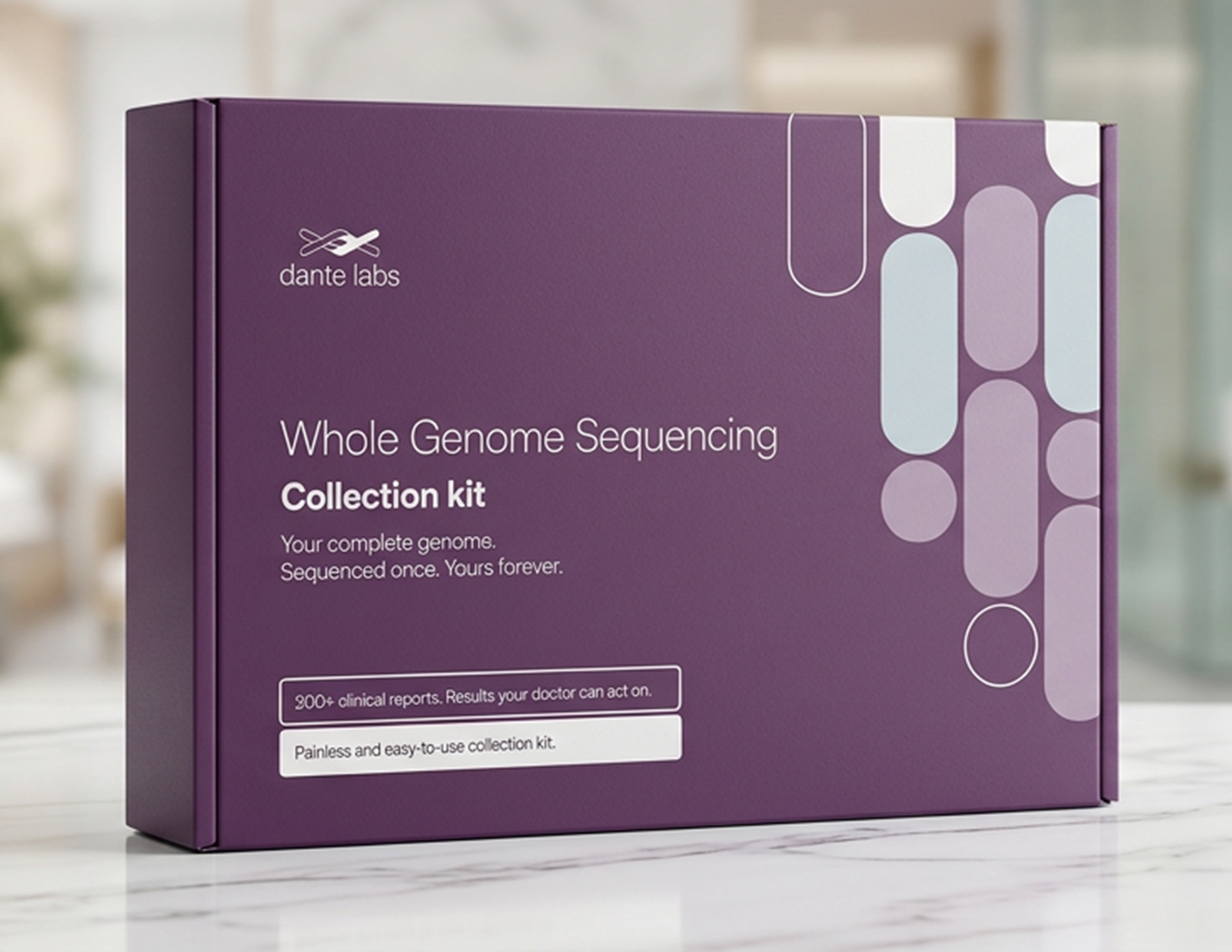
One kit, sent to your home. Your entire genome sequenced at the clinical standard used for diagnostic decisions. 200+ physician-ready reports delivered to your Genome Manager in 6–8 weeks — permanent and updated as science advances.

From $449

Ships within 48 hours · Results in 6–8 weeks