ALPHA-1 ANTITRYPSIN DEFICIENCY

Alpha-1 Antitrypsin Deficiency — a common genetic cause of early-onset emphysema and liver disease that goes undiagnosed for an average of 7 years after symptom onset.

Whole genome sequencing reads the complete SERPINA1 gene, identifying all Pi alleles — including rare compound heterozygous combinations — to establish full genotype and predict pulmonary and hepatic disease risk.

CLIA CertifiedCAP AccreditedISO 15189 Medical LabACMG ClassifiedHIPAA & GDPR100,000+ Genomes Sequenced

About this condition

Alpha-1 Antitrypsin Deficiency

Alpha-1 antitrypsin deficiency (AATD) is an autosomal codominant disorder caused by pathogenic variants in SERPINA1, the gene encoding alpha-1 antitrypsin (AAT) — a serine protease inhibitor produced primarily in hepatocytes that protects lung parenchyma from neutrophil elastase-mediated destruction. AATD is estimated to affect 1 in 2,500 individuals of European ancestry and approximately 3.4 million people worldwide, making it one of the most common serious monogenic disorders — yet it remains chronically and severely underdiagnosed. Median time from first respiratory symptoms to diagnosis is 7-8 years, during which irreversible lung damage accumulates.

SERPINA1 alleles are designated by the Pi (protease inhibitor) nomenclature. The normal allele is Pi*M. The most clinically significant variants are Pi*Z (p.Glu342Lys; rs28929474) and Pi*S (p.Glu264Val; rs17580). Pi*ZZ homozygotes — the most severely affected genotype — have AAT serum levels approximately 15% of normal, due to both reduced secretion and intrahepatic polymerization of the misfolded Z protein. Pi*SZ compound heterozygotes have AAT levels approximately 40% of normal and face elevated but lower lung disease risk. The polymerizing Z protein accumulates in hepatocytes, causing progressive liver disease (cirrhosis, hepatocellular carcinoma) in a subset of Pi*ZZ individuals through a distinct toxic gain-of-function mechanism independent of the lung disease pathway.

Augmentation therapy with intravenous alpha-1 proteinase inhibitor (Prolastin, Zemaira, Aralast) slows emphysema progression in Pi*ZZ patients with established airflow obstruction — the only condition-specific approved treatment. Survival benefit is most pronounced when therapy begins before significant lung destruction. Smoking accelerates AATD lung disease dramatically; Pi*ZZ smokers lose lung function 3-4 times faster than non-smokers with AATD. Early diagnosis enables smoking cessation counseling before irreversible damage, avoidance of occupational dust and fume exposure, and initiation of augmentation therapy at the optimal stage of disease.

More than 120 SERPINA1 variants have been described. Rare alleles (Pi*I, Pi*F, Pi*P, Pi*Null) produce a spectrum of AAT deficiency phenotypes from intermediate deficiency to complete absence of secreted protein.

Gene locus
SERPINA1 (14q32.13)

Standard AATD testing checks Z and S alleles in isolation. Complete SERPINA1 genotyping requires resolving the full allelic architecture — including rare alleles that determine whether a patient has AATD or simply carries one deficiency allele.

Pi*SZ compound heterozygotes are frequently missed by binary Z/S tests

Point-of-care and standard laboratory AATD screening tests are optimized to detect the Z allele (Pi*Z) and report Pi*MZ or Pi*ZZ genotypes. Compound heterozygous Pi*SZ — which carries meaningful lung disease risk and is present in approximately 1 in 625 people of European ancestry — requires simultaneous characterization of both the Z and S alleles. Rare SERPINA1 variants not included in limited panels produce Pi*MZ-equivalent or Pi*ZZ-equivalent AAT levels in patients who test 'normal' by Z-allele-only screens. Complete SERPINA1 genotyping by whole genome sequencing identifies all alleles simultaneously, including rare compound heterozygous combinations that appear normal on binary testing.

Distinguishing Pi*MZ from Pi*ZZ determines augmentation therapy eligibility

NICE, ERS, and ATS guidelines recommend AAT augmentation therapy for Pi*ZZ and Pi*null patients with established obstructive lung disease — not for Pi*MZ carriers. The clinical and financial implications of this genotype distinction are significant: augmentation therapy costs approximately $50,000-100,000 per year. Accurate genotyping distinguishes patients who qualify for augmentation from carriers who require only surveillance and risk-factor counseling. Without complete SERPINA1 genotyping, a Pi*SZ patient with a very low measured AAT level might be classified incorrectly as Pi*MZ and denied appropriate treatment — or conversely, a Pi*MZ carrier with co-existing COPD might be prescribed augmentation that AATD guidelines do not support.

One test. A lifetime of answers.

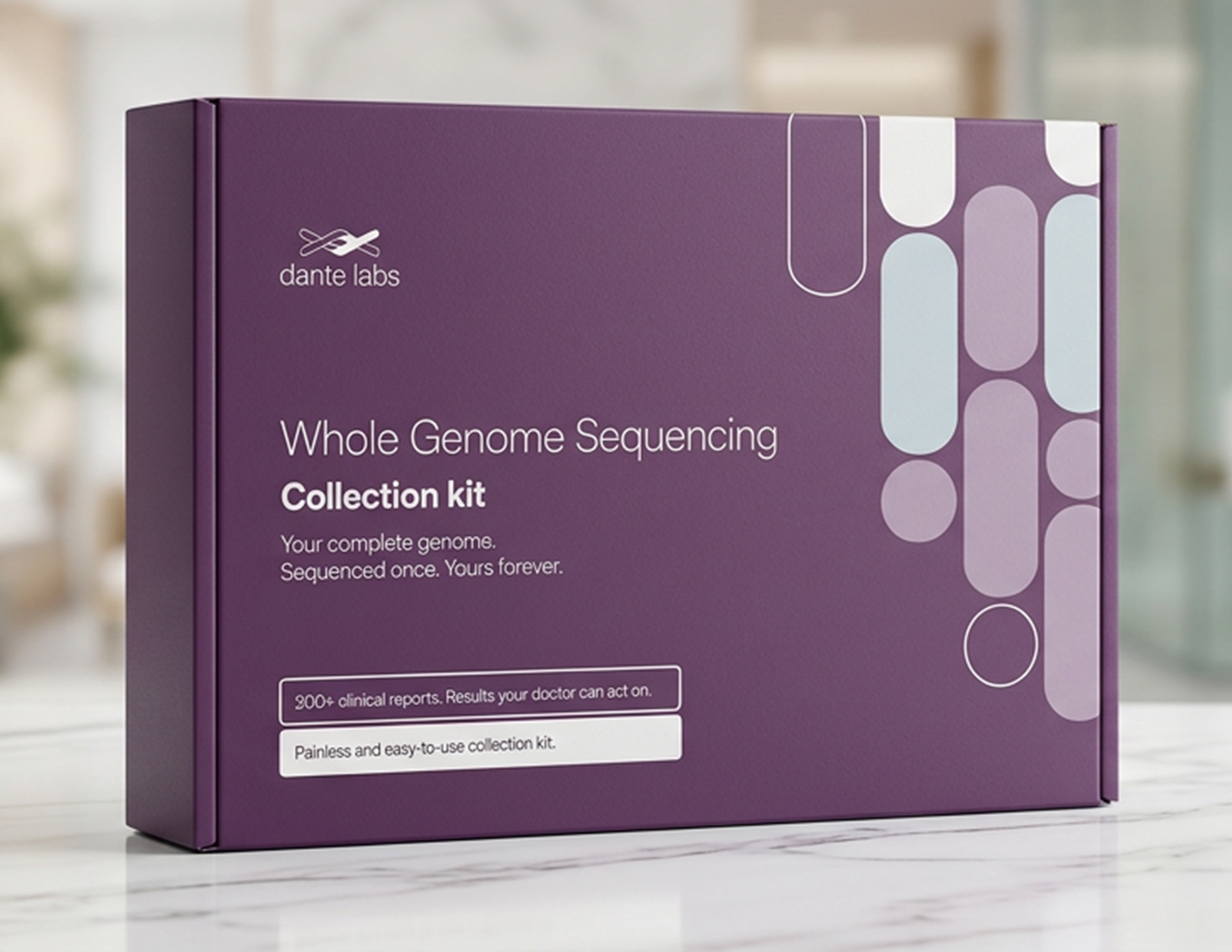
One kit, sent to your home. Your entire genome sequenced at the clinical standard used for diagnostic decisions. 200+ physician-ready reports delivered to your Genome Manager in 6–8 weeks — permanent and updated as science advances.

From $449

Ships within 48 hours · Results in 6–8 weeks