SCLERODERMA — GENETIC RISK

Scleroderma Genetic Susceptibility — HLA genotype and immune regulatory gene variants influence systemic sclerosis risk, disease subtype, and autoantibody profile, enabling earlier diagnosis and organ-specific surveillance.

Whole genome sequencing evaluates HLA haplotypes, interferon pathway genes (IRF5, STAT4), and fibrosis-related variants — providing the genetic architecture underlying scleroderma susceptibility and clinical phenotype.

CLIA CertifiedCAP AccreditedISO 15189 Medical LabACMG ClassifiedHIPAA & GDPR100,000+ Genomes Sequenced

About this condition

Scleroderma — Genetic Susceptibility

Systemic sclerosis (scleroderma, SSc) is an autoimmune connective tissue disease characterized by vascular dysfunction, immune activation, and progressive fibrosis. It affects approximately 100,000 Americans. SSc has significant genetic heritability — first-degree relatives have 13-15x increased risk. HLA class II variants (DRB1*11:04, DPB1*13:01) are the strongest genetic associations, and different HLA alleles associate with specific autoantibody subtypes.

Non-HLA genetic associations include IRF5 (interferon regulatory factor 5 — also associated with lupus), STAT4, CD247, TNFSF4, and BANK1. These innate and adaptive immune pathway genes support the autoimmune pathogenesis model. Genetic variants in fibrosis pathways (CTGF, FBN1 microsatellite) may influence disease severity and organ involvement.

Clinical genetic utility: HLA genotyping can support SSc subtype classification (limited vs. diffuse), autoantibody prediction, and organ involvement risk stratification. Anti-RNA polymerase III autoantibodies (associated with specific HLA genotypes) require cancer screening (concurrent malignancy in ~10%). Nintedanib (anti-fibrotic) is FDA-approved for SSc-ILD, and tocilizumab for early diffuse SSc — treatment selection increasingly informed by molecular disease characterization.

Anti-RNA polymerase III scleroderma has ~10% concurrent cancer rate. Cancer screening is REQUIRED for this autoantibody subtype. HLA genotype predicts which autoantibody pattern — and therefore which cancer screening — applies.

Gene locus
HLA-DRB1 (6p21.32), IRF5 (7q32.1), STAT4 (2q32.2), CD247 (1q24.2), BANK1 (4q24)
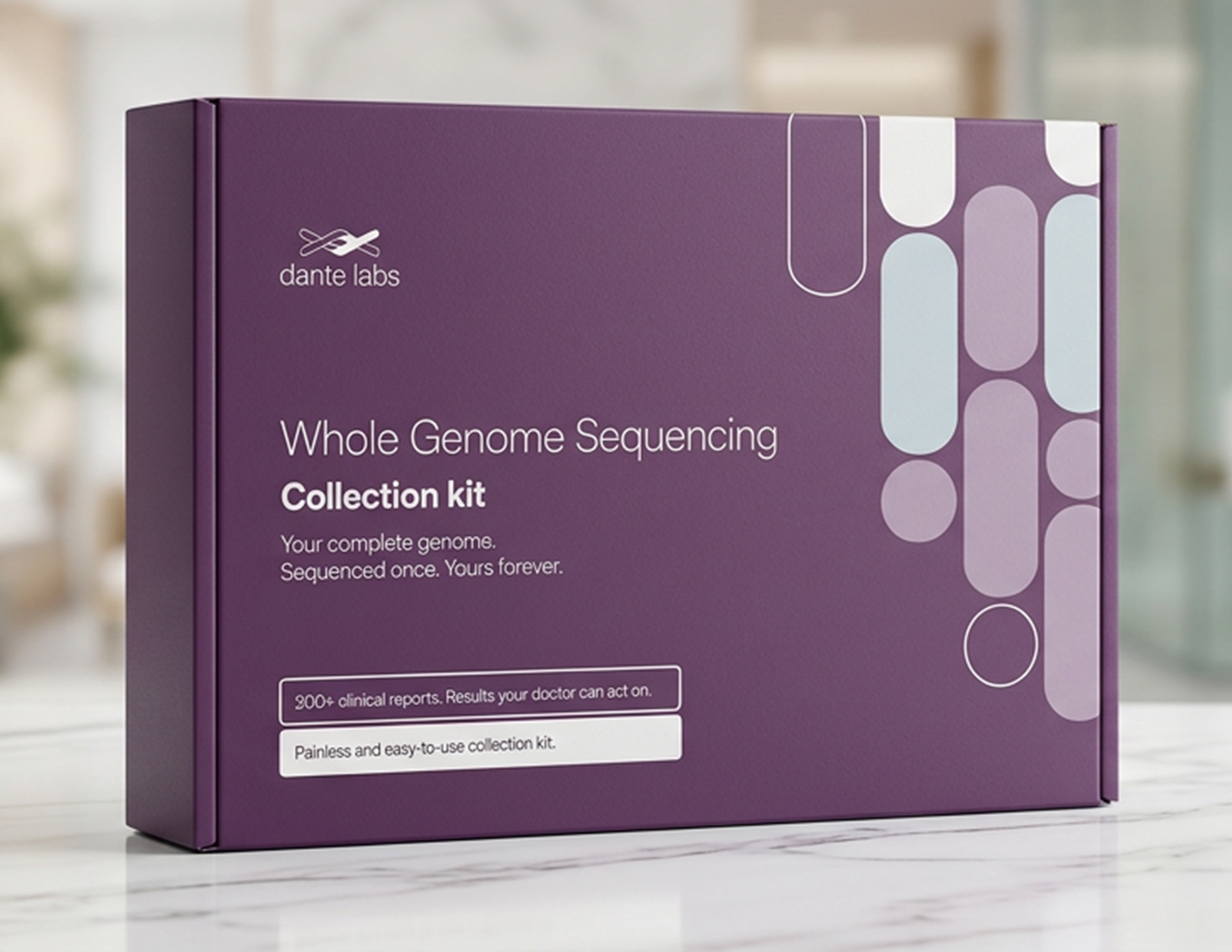
Scleroderma subtype, autoantibody profile, and cancer risk correlate with HLA genotype. WGS provides the genetic architecture that supports precision management of this heterogeneous disease.

HLA genotype predicts scleroderma autoantibody subtype — which determines organ surveillance and cancer screening

Different HLA alleles associate with anti-centromere (limited SSc, pulmonary hypertension risk), anti-topoisomerase (diffuse SSc, ILD risk), and anti-RNA polymerase III (diffuse SSc, cancer screening required). WGS-derived HLA typing supports subtype classification and organ-specific surveillance planning.

Nintedanib and tocilizumab are now available for SSc — appropriate subtype classification guides treatment selection

Nintedanib (anti-fibrotic) is approved for SSc-ILD. Tocilizumab for early diffuse SSc. These targeted therapies require accurate disease subtyping for appropriate use. Genetic-autoantibody correlation supports the classification that drives treatment selection.

One test. A lifetime of answers.

One kit, sent to your home. Your entire genome sequenced at the clinical standard used for diagnostic decisions. 200+ physician-ready reports delivered to your Genome Manager in 6–8 weeks — permanent and updated as science advances.

From $449

Ships within 48 hours · Results in 6–8 weeks