ABOUT RUNX1 FAMILIAL PLATELET DISORDER

Easy bruising that runs in the family. Low platelets no one can explain. A single gene variant that connects both — and defines the monitoring plan that matters.

Whole genome sequencing identifies RUNX1 variants — enabling hematologic surveillance protocols that detect early changes and guide clinical decisions.

CLIA CertifiedCAP AccreditedISO 15189 Medical LabACMG ClassifiedHIPAA & GDPR100,000+ Genomes Sequenced

About this condition

RUNX1 Familial Platelet Disorder

RUNX1-FPD is a rare autosomal dominant disorder caused by RUNX1 haploinsufficiency (loss of one allele). RUNX1 encodes runt-related transcription factor 1, a master regulator of hematopoietic stem cell development and differentiation. Loss-of-function RUNX1 variants impair megakaryopoiesis and myelopoiesis, causing mild-to-moderate thrombocytopenia (platelet count 25,000–100,000/μL) and qualitative platelet defects. More critically, RUNX1 haploinsufficiency increases risk for acquisition of somatic mutations in other myeloid tumor suppressors, driving a dramatically elevated lifetime risk of myelodysplastic syndrome (MDS) or acute myeloid leukemia (AML) — 35–65% by late adulthood, far exceeding general population risk.

RUNX1-FPD is massively underdiagnosed because mild-to-moderate thrombocytopenia is common and typically does not trigger genetic testing. Approximately 130 families have been described in the literature, but true prevalence is likely significantly underestimated. Over 60 distinct RUNX1 mutations have been identified in FPD kindreds. The disorder is often misattributed to immune thrombocytopenia or benign familial thrombocytopenia, causing delayed or missed diagnosis of the cancer predisposition component. The primary clinical challenge is surveillance for early MDS/AML development, enabling preventive intervention before malignant transformation becomes irreversible.

A confirmed RUNX1 pathogenic variant diagnosis fundamentally changes management from benign thrombocytopenia to a cancer predisposition condition requiring aggressive surveillance. Affected individuals require annual complete blood counts (CBC) with differential and peripheral blood smear review to detect early signs of MDS (dysplastic changes, cytogenetic abnormalities like monosomy 7, or other clonal abnormalities) or AML. Bone marrow evaluation is indicated if cytopenias worsen or dysplastic features emerge. Medication counseling is critical — aspirin and NSAIDs should be avoided to minimize bleeding risk. If MDS or AML develops, allogeneic stem cell transplantation is the primary curative option. Cascade screening of all first-degree relatives is essential — approximately 50% carry the familial variant. Genetic diagnosis transforms a seemingly benign diagnosis into an actionable cancer predisposition condition.

Gene locus
RUNX1 (21q22.12)

RUNX1 is not routinely screened in broad panels. Mild thrombocytopenia is common, so familial FPD is frequently missed until MDS or AML develops.

RUNX1-FPD is massively underdiagnosed because thrombocytopenia is nonspecific

RUNX1-FPD is rarely detected because mild-to-moderate thrombocytopenia is common and typically does not trigger genetic testing. Standard hematology workup frequently attributes it to immune causes or benign familial thrombocytopenia, missing the cancer predisposition component entirely. RUNX1 is not routinely screened in broad genetic panels. Clinical phenotyping — distinguishing RUNX1-FPD (which carries 35–65% lifetime cancer risk) from benign familial thrombocytopenia — requires targeted genetic testing. Approximately 130 families have been described, but many cases remain undiagnosed. Whole genome sequencing would improve diagnostic yield in patients with unexplained thrombocytopenia and family history.

A genetic diagnosis transforms management from benign to oncologic surveillance

A confirmed RUNX1 pathogenic variant diagnosis mandates aggressive surveillance: annual CBC with differential and peripheral blood smear review are essential to detect early signs of MDS or AML. Bone marrow evaluation is indicated if cytopenias worsen or dysplastic features emerge. This is not optional — the genetic diagnosis carries a 35–65% lifetime risk of hematologic malignancy. If MDS or AML develops, allogeneic stem cell transplantation is the primary curative option. Cascade family screening is critical; approximately 50% of first-degree relatives carry the variant. Genetic diagnosis transforms a seemingly benign diagnosis of mild thrombocytopenia into an actionable cancer predisposition condition requiring lifelong vigilance.

One test. A lifetime of answers.

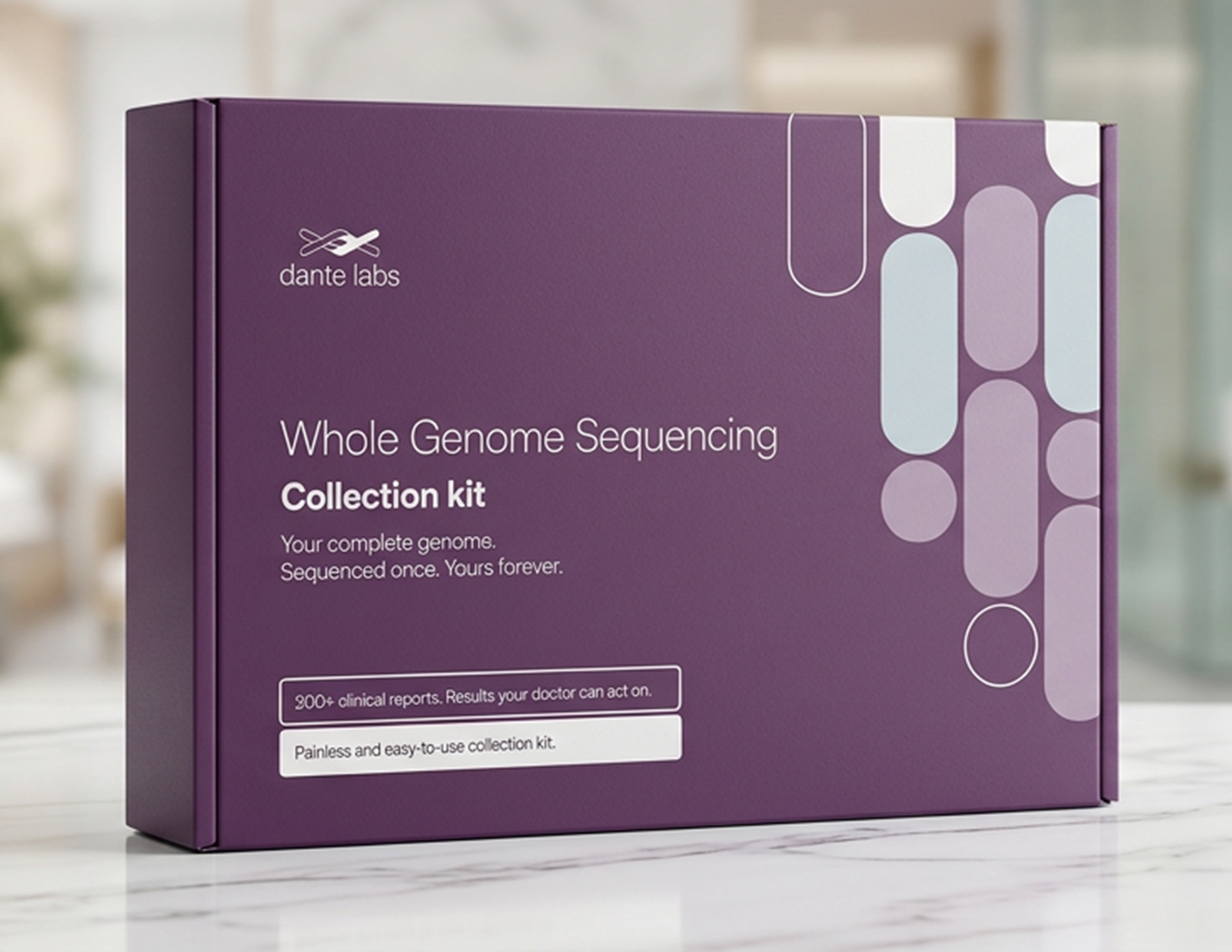
One kit, sent to your home. Your entire genome sequenced at the clinical standard used for diagnostic decisions. 200+ physician-ready reports delivered to your Genome Manager in 6–8 weeks — permanent and updated as science advances.

From $449

Ships within 48 hours · Results in 6–8 weeks