PRIMARY IMMUNODEFICIENCY

Primary Immunodeficiency — 450+ genetic conditions where recurrent infections are a symptom, not a diagnosis, and where molecular identification of the specific gene unlocks targeted therapy, curative transplant, and gene therapy.

Whole genome sequencing evaluates all 450+ primary immunodeficiency genes simultaneously — from SCID (a neonatal emergency) to CVID (the most common symptomatic PID in adults) — providing the molecular diagnosis that determines curative vs. supportive therapy.

CLIA CertifiedCAP AccreditedISO 15189 Medical LabACMG ClassifiedHIPAA & GDPR100,000+ Genomes Sequenced

About this condition

Primary Immunodeficiency Disorders

Primary immunodeficiency disorders (PIDs, also called inborn errors of immunity) encompass over 450 genetically defined conditions affecting the development and/or function of the immune system. The International Union of Immunological Societies (IUIS) classifies PIDs into 10 categories including combined immunodeficiencies (SCID), predominantly antibody deficiencies (CVID, XLA), phagocyte defects (CGD), complement deficiencies, and autoinflammatory conditions. PID prevalence is estimated at 1 in 1,200 — dramatically higher than previously appreciated, with the majority undiagnosed.

Severe combined immunodeficiency (SCID) — caused by variants in IL2RG (X-linked, most common), ADA, JAK3, RAG1/RAG2, IL7R, and others — is a neonatal emergency: affected infants have virtually no functional T cells and die of opportunistic infection within the first year of life without definitive treatment. Newborn SCID screening (via TREC assay) is now performed in all US states, identifying affected infants before the first infection. Hematopoietic stem cell transplantation (HSCT) before 3.5 months of age without prior infection produces >95% survival — making SCID a paradigm of presymptomatic treatment success.

Beyond SCID, the PID spectrum includes common variable immunodeficiency (CVID — the most common symptomatic PID in adults, affecting ~1 in 25,000), X-linked agammaglobulinemia (XLA, BTK), chronic granulomatous disease (CGD, CYBB), and hundreds of rarer conditions. Targeted therapies are emerging: leniolisib (FDA 2023) for activated PI3Kδ syndrome (APDS), gene therapy for ADA-SCID and X-linked SCID, JAK inhibitors for specific PID subtypes. Molecular diagnosis is required for all targeted therapies and is essential for HSCT donor selection and conditioning regimen planning.

Leniolisib (Joenja, FDA 2023) is the first targeted therapy for activated PI3Kδ syndrome (APDS) — caused by PIK3CD or PIK3R1 gain-of-function variants. Molecular confirmation is required for prescribing. WGS identifies all APDS variants.

Gene locus
IL2RG (Xq13.1), BTK (Xq22.1), CYBB (Xp21.1-p11.4), PIK3CD (1p36.22), NFKB1 (4q24), plus 450+ genes
450+ PID genes cannot be evaluated by any single immunological assay. Immunoglobulin levels and lymphocyte subsets identify immune deficiency but not its genetic cause — molecular diagnosis is required for definitive management.

SCID is curable if diagnosed before the first infection — HSCT before 3.5 months produces >95% survival

The specific SCID gene determines the optimal HSCT conditioning regimen, donor selection, and the feasibility of gene therapy as an alternative. IL2RG-SCID (X-linked) has an active gene therapy program. ADA-SCID has an approved gene therapy (Strimvelis). RAG1/RAG2-SCID requires myeloablative conditioning for engraftment. These gene-specific transplant decisions require rapid molecular diagnosis in the newborn period — ideally within the first weeks of life. WGS provides comprehensive SCID gene evaluation faster than sequential single-gene testing.

CVID affects 1 in 25,000 adults — many carry monogenic variants with specific targeted therapies

CVID was previously considered a diagnosis of exclusion with unknown genetic basis. Genomic studies have identified monogenic causes in 25-30% of CVID patients — including TNFRSF13B (TACI), NFKB1, CTLA4, PIK3CD, PIK3R1, LRBA, and others. Several of these have specific targeted therapies: abatacept for CTLA4/LRBA deficiency, leniolisib for PIK3CD gain-of-function. Patients receiving standard immunoglobulin replacement alone may benefit from additional targeted therapy once their specific genetic cause is identified by WGS.

One test. A lifetime of answers.

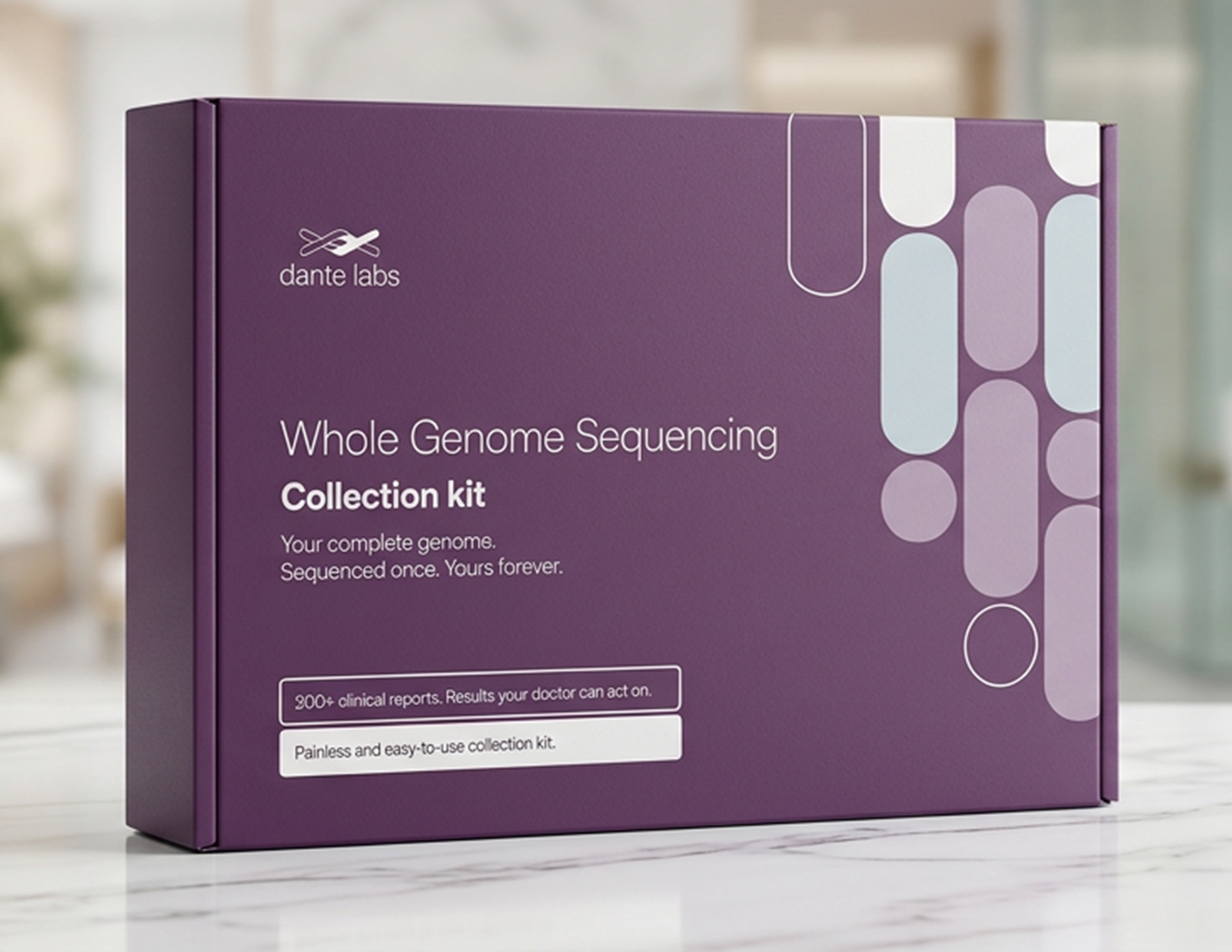
One kit, sent to your home. Your entire genome sequenced at the clinical standard used for diagnostic decisions. 200+ physician-ready reports delivered to your Genome Manager in 6–8 weeks — permanent and updated as science advances.

From $449

Ships within 48 hours · Results in 6–8 weeks