PRADER-WILLI SYNDROME

Prader-Willi Syndrome — where early growth hormone therapy in infancy dramatically improves body composition, cognition, and quality of life, but only if the diagnosis is made before the insatiable appetite phase begins.

Whole genome sequencing detects the 15q11.2 deletion (70% of PWS cases), while methylation-specific testing identifies all molecular mechanisms — paternal deletion, maternal uniparental disomy, and imprinting center defects.

CLIA CertifiedCAP AccreditedISO 15189 Medical LabACMG ClassifiedHIPAA & GDPR100,000+ Genomes Sequenced

About this condition

Prader-Willi Syndrome

Prader-Willi syndrome (PWS) is a complex neurodevelopmental disorder caused by loss of expression of paternally-inherited genes in the 15q11.2-q13 imprinted region. Three molecular mechanisms account for virtually all cases: paternal 15q11.2 deletion (~70% — the same chromosomal region involved in Angelman syndrome, but on the paternal rather than maternal chromosome), maternal uniparental disomy (UPD, ~25% — both chromosome 15s inherited from the mother), and imprinting center defects (~2-5%). PWS affects approximately 1 in 15,000-30,000 births with no sex or ethnic predilection.

PWS has a distinctive biphasic presentation. Neonatal phase: severe hypotonia, poor suck, and feeding difficulty requiring gavage feeding — paradoxically, these infants are difficult to feed and fail to thrive. Childhood phase (typically beginning age 2-4): the hallmark hyperphagia (insatiable appetite) develops, driven by hypothalamic dysfunction, producing relentless food-seeking behavior and, without strict environmental food control, life-threatening obesity. Additional features include short stature, hypogonadism, intellectual disability (mild-moderate), behavioral abnormalities (temper tantrums, skin picking, obsessive-compulsive features), and sleep-disordered breathing.

Growth hormone (GH) therapy is FDA-approved for PWS and has transformed outcomes: GH improves linear growth, body composition (decreasing fat mass, increasing lean mass), exercise capacity, bone density, and possibly cognition. Early GH initiation — ideally before age 2, now increasingly starting in infancy at 3-6 months — maximizes benefit. The critical prerequisite is early diagnosis: an infant with unexplained hypotonia and feeding difficulty should have PWS methylation testing performed urgently so that GH can be started in the optimal window. Pitolisant (a histamine H3 receptor antagonist) is being studied for PWS-specific hyperphagia.

PWS and Angelman syndrome involve the same 15q11.2 chromosomal region but opposite parental chromosomes — paternal deletion causes PWS, maternal deletion causes Angelman. Both conditions are detected by methylation analysis.

Gene locus
15q11.2-q13 (SNRPN, MAGEL2, NDN — imprinted region, paternal expression)
Every floppy infant with unexplained neonatal hypotonia should be tested for PWS — methylation analysis is the gold standard diagnostic test. Early diagnosis enables growth hormone initiation in infancy, which changes the trajectory.

Growth hormone started in infancy dramatically improves outcomes — but requires early molecular diagnosis before hyperphagia onset

GH therapy initiated before age 2 — and increasingly in the first 3-6 months of life — produces substantially better body composition, motor development, and cognitive outcomes compared to later initiation. The natural history of PWS includes a dangerous transition from neonatal feeding difficulty to childhood hyperphagia; GH therapy during this window improves lean mass and may partially mitigate the severity of later hyperphagia. Without early molecular diagnosis, the GH initiation window is missed — many PWS patients were historically diagnosed only when obesity and behavioral features became clinically obvious in mid-childhood.

Recurrence risk depends entirely on molecular mechanism — paternal deletion (< 1%) vs. imprinting defect (up to 50%)

Paternal 15q11.2 deletion (70% of PWS) is almost always de novo with recurrence risk < 1%. Maternal UPD (25%) is also typically de novo with low recurrence. However, imprinting center defects — particularly imprinting center deletions — can be inherited and carry up to 50% recurrence risk. Without molecular characterization of the specific PWS mechanism, genetic counseling for recurrence cannot be accurately provided. Whole genome sequencing detects deletions; methylation analysis confirms the parental origin and identifies UPD and imprinting defects.

One test. A lifetime of answers.

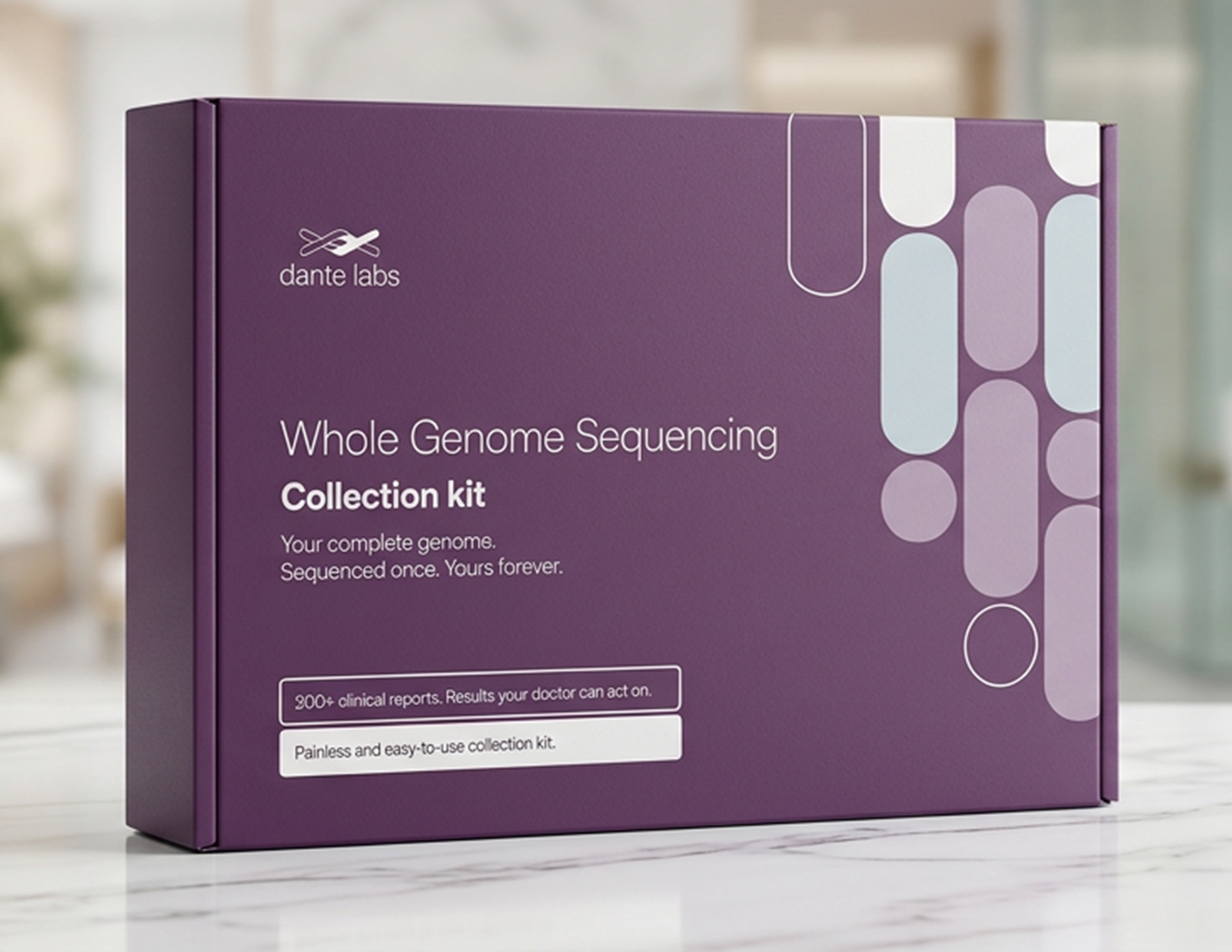
One kit, sent to your home. Your entire genome sequenced at the clinical standard used for diagnostic decisions. 200+ physician-ready reports delivered to your Genome Manager in 6–8 weeks — permanent and updated as science advances.

From $449

Ships within 48 hours · Results in 6–8 weeks