MÉNIÈRE'S DISEASE — GENETIC

Ménière's Disease Genetic Risk — familial clustering occurs in 8-11% of cases, with HLA variants and autoimmune susceptibility genes supporting the immune-mediated endolymphatic hydrops hypothesis.

Whole genome sequencing evaluates Ménière's susceptibility genes and all genetic hearing loss genes — critical for differentiating true Ménière's from genetic vestibulocochlear conditions that mimic it.

CLIA CertifiedCAP AccreditedISO 15189 Medical LabACMG ClassifiedHIPAA & GDPR100,000+ Genomes Sequenced

About this condition

Ménière's Disease — Genetic Risk

Ménière's disease (endolymphatic hydrops) causes episodic vertigo, fluctuating sensorineural hearing loss, tinnitus, and aural fullness. It affects approximately 200 per 100,000. Familial Ménière's disease occurs in 8-11% of cases — typically autosomal dominant with variable penetrance. Candidate genes include DTNA (dystrobrevin alpha), FAM136A, and PRKCB.

HLA associations suggest autoimmune contribution — HLA-DRB1 alleles (particularly *11:01 in some populations) have been associated with Ménière's susceptibility. Autoimmune comorbidities (rheumatoid arthritis, psoriasis, lupus) are more common in Ménière's patients. These findings support immunomodulatory treatment approaches (intratympanic steroids, systemic steroids for acute flares).

Critically, several genetic hearing loss syndromes can mimic Ménière's: DFNA9 (COCH — progressive vestibulocochlear dysfunction), enlarged vestibular aqueduct (SLC26A4/Pendred), and mitochondrial mutations (MT-RNR1 aminoglycoside susceptibility, A1555G). Molecular genetic testing differentiates true Ménière's from these genetic mimics — which have different prognoses and management.

DFNA9 (COCH mutations) mimics Ménière's with progressive hearing loss and vestibular failure. If 'Ménière's' runs in your family, COCH testing is important — it's a different disease with different management.

Gene locus
DTNA (18q12.1), FAM136A (2p14), COCH (14q12), SLC26A4 (7q22.3), HLA-DRB1 (6p21.32)
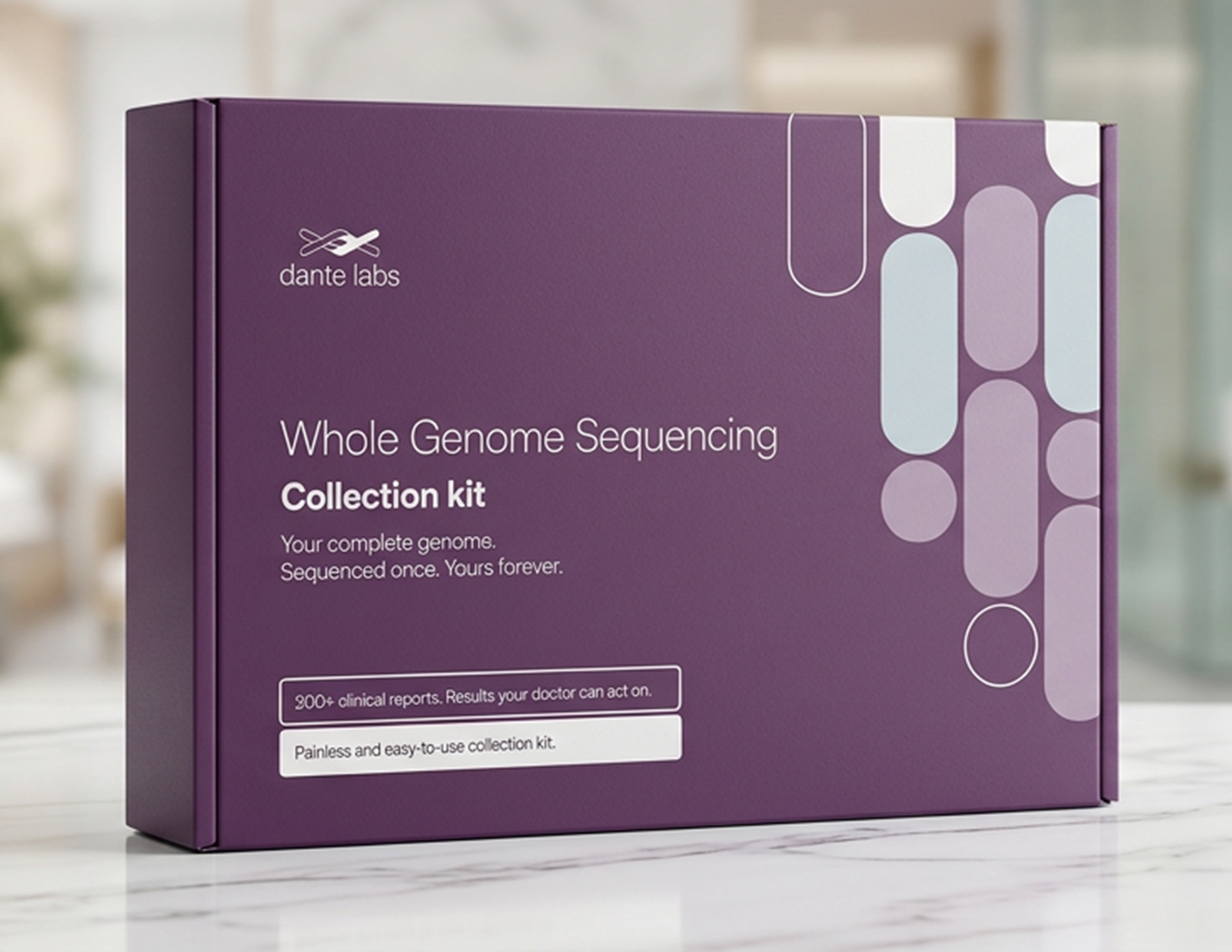
Ménière's must be differentiated from genetic hearing loss syndromes that mimic it. WGS evaluates both Ménière's susceptibility genes AND genetic hearing loss genes for comprehensive differential diagnosis.

Genetic hearing loss syndromes mimic Ménière's — COCH, SLC26A4, and mitochondrial mutations require different management

DFNA9 (COCH) causes progressive bilateral vestibulocochlear failure that looks like bilateral Ménière's. Enlarged vestibular aqueduct (SLC26A4) causes fluctuating hearing loss with vertigo. These genetic conditions require different counseling (no treatment vs. cochlear implant candidacy). WGS resolves the diagnosis.

Familial Ménière's in 8-11% suggests genetic testing is valuable for families with clustering

When multiple family members have Ménière's or hearing loss with vertigo, genetic testing distinguishes true familial Ménière's from genetic hearing loss syndromes. WGS evaluates all relevant genes simultaneously — resolving years of diagnostic uncertainty.

One test. A lifetime of answers.

One kit, sent to your home. Your entire genome sequenced at the clinical standard used for diagnostic decisions. 200+ physician-ready reports delivered to your Genome Manager in 6–8 weeks — permanent and updated as science advances.

From $449

Ships within 48 hours · Results in 6–8 weeks