LEWY BODY DEMENTIA — GENETIC RISK

Lewy Body Dementia Genetic Risk — sharing genetic architecture with both Parkinson's and Alzheimer's, Lewy body dementia is influenced by GBA, APOE, and SNCA variants that inform diagnosis, prognosis, and emerging therapeutic approaches.

Whole genome sequencing evaluates all Lewy body dementia genes — GBA (the strongest risk factor), APOE ε4, SNCA, LRRK2, BIN1, TMEM175 — clarifying the genetic underpinnings of this frequently misdiagnosed condition.

CLIA CertifiedCAP AccreditedISO 15189 Medical LabACMG ClassifiedHIPAA & GDPR100,000+ Genomes Sequenced

About this condition

Lewy Body Dementia — Genetic Risk

Dementia with Lewy bodies (DLB) is the second most common neurodegenerative dementia after Alzheimer's disease, affecting approximately 1.4 million Americans. DLB is characterized by progressive cognitive decline, visual hallucinations, fluctuating cognition, REM sleep behavior disorder, and parkinsonism. DLB is frequently misdiagnosed as Alzheimer's — critically important because DLB patients are exquisitely sensitive to antipsychotic medications (which are commonly prescribed for behavioral symptoms in Alzheimer's), with neuroleptic sensitivity causing severe parkinsonism, sedation, and potentially fatal neuroleptic malignant syndrome.

GBA (glucocerebrosidase, chromosome 1q22) variants are the strongest known genetic risk factor for DLB — conferring approximately 8x increased risk. The same GBA variants that increase Parkinson's disease risk (N370S, L444P, E326K) also increase DLB risk. APOE ε4, the strongest Alzheimer's risk factor, also substantially increases DLB risk (~2-3x per allele). SNCA (α-synuclein) variants and multiplications cause rare familial forms of DLB/Parkinson's. This genetic overlap between Alzheimer's (APOE), Parkinson's (GBA, SNCA, LRRK2), and DLB reflects the clinical overlap of these synucleinopathy-tauopathy spectrum disorders.

Genetic diagnosis in DLB has important therapeutic implications. GBA-targeted therapies (venglustat, ambroxol — GCase activators/chaperones) are in clinical trials for both Parkinson's and DLB — molecular GBA confirmation determines trial eligibility. APOE genotype influences the anti-amyloid therapy discussion (lecanemab for co-existing Alzheimer's pathology). Most critically, accurate DLB diagnosis PREVENTS harmful antipsychotic exposure — and genetic risk profiling supports the DLB diagnosis when clinical features are ambiguous.

DLB patients can have FATAL reactions to antipsychotic medications — drugs routinely given for 'agitation in dementia.' Accurate DLB diagnosis prevents this iatrogenic harm. Genetic risk profiling supports the diagnostic distinction from Alzheimer's.

Gene locus
GBA (1q22), APOE (19q13.32), SNCA (4q22.1), LRRK2 (12q12), BIN1 (2q14.3), TMEM175 (4p16.3)
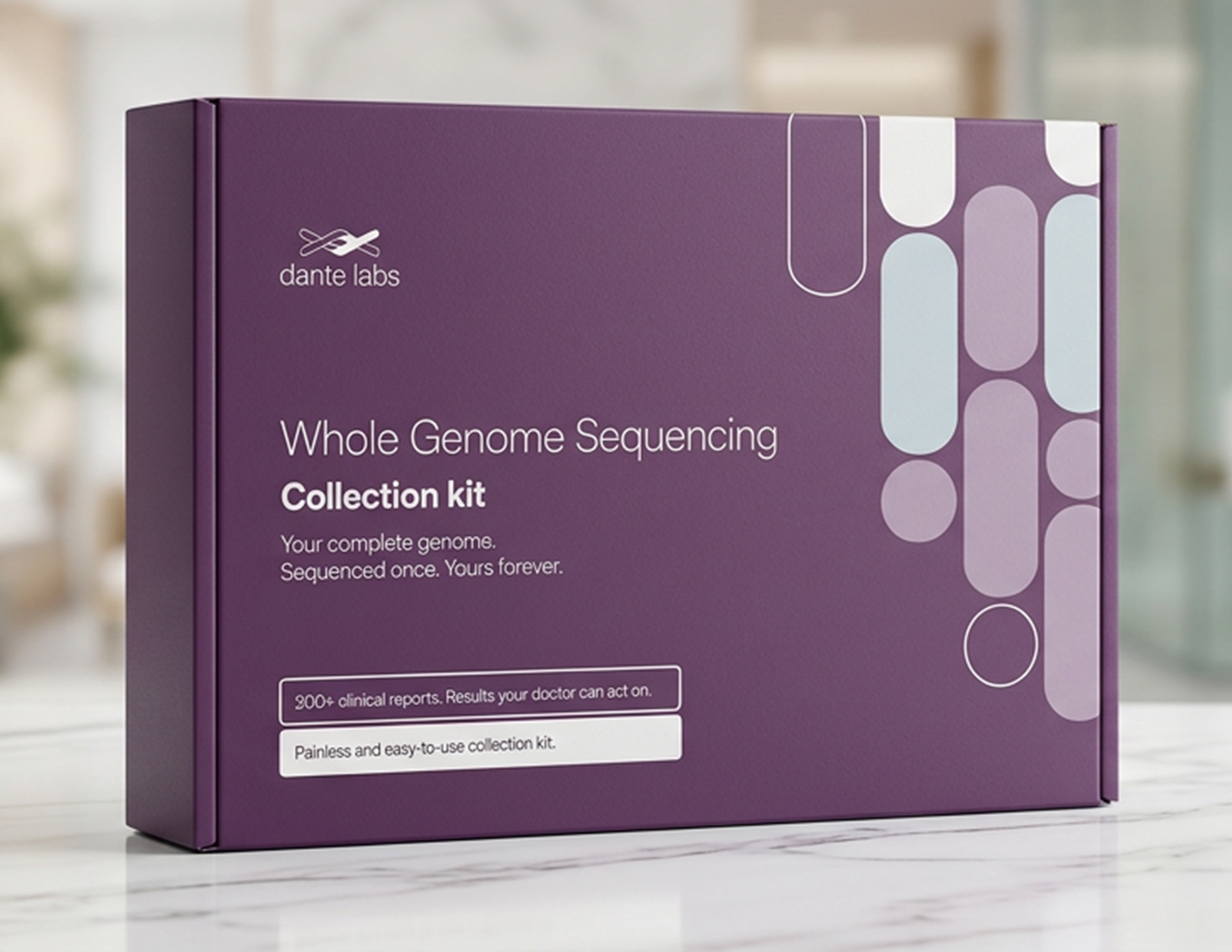
DLB is fatally misdiagnosed as Alzheimer's — leading to antipsychotic prescriptions that can kill. Genetic risk profiling helps distinguish DLB from Alzheimer's and identifies candidates for GBA-targeted clinical trials.

GBA-targeted therapies in trials for DLB — molecular confirmation required, same pathway as Gaucher disease treatments

Venglustat (GCase substrate reduction) and ambroxol (GCase chaperone/activator) are in clinical trials for GBA-associated Parkinson's and DLB. These therapies specifically target the impaired lysosomal function caused by GBA variants. Trial enrollment requires confirmed GBA molecular diagnosis. WGS identifies all GBA pathogenic variants, enabling clinical trial access for this emerging precision neurology approach.

APOE and GBA together provide the most informative genetic DLB risk profile — distinguishing Lewy body from Alzheimer's pathology

A patient with cognitive decline who carries GBA risk variants is more likely to have DLB/Parkinson's dementia than Alzheimer's. A patient who carries APOE ε4 but no GBA variants is more likely to have Alzheimer's. Patients who carry both are at risk for mixed DLB-Alzheimer's pathology. This genetic profile helps guide the diagnostic workup (DaT scan for DLB vs. amyloid PET for Alzheimer's), treatment selection, and critically — medication safety (avoiding antipsychotics in likely DLB).

One test. A lifetime of answers.

One kit, sent to your home. Your entire genome sequenced at the clinical standard used for diagnostic decisions. 200+ physician-ready reports delivered to your Genome Manager in 6–8 weeks — permanent and updated as science advances.

From $449

Ships within 48 hours · Results in 6–8 weeks