ALS — MOTOR NEURON DISEASE

ALS Genetic Testing — tofersen is the first gene-specific ALS therapy, but it only works for SOD1-ALS. Identifying the genetic cause of ALS now determines whether a patient has access to targeted treatment vs. supportive care only.

Whole genome sequencing evaluates all known ALS genes — SOD1, C9orf72, FUS, TARDBP, ANG, OPTN, VCP, and others — including the C9orf72 hexanucleotide repeat expansion that standard sequencing panels miss.

CLIA CertifiedCAP AccreditedISO 15189 Medical LabACMG ClassifiedHIPAA & GDPR100,000+ Genomes Sequenced

About this condition

ALS — Motor Neuron Disease Genetic Testing

Amyotrophic lateral sclerosis (ALS, motor neuron disease) causes progressive degeneration of upper and lower motor neurons, producing weakness, atrophy, fasciculations, spasticity, and ultimately respiratory failure. ALS affects approximately 2 per 100,000 people annually. Approximately 5-10% of ALS is familial (fALS) with identifiable genetic causes, and an additional 5-10% of apparently sporadic ALS carries pathogenic variants detectable by genetic testing. The most common genetic causes are C9orf72 hexanucleotide repeat expansion (~40% of fALS, ~7% of sporadic ALS) and SOD1 pathogenic variants (~20% of fALS, ~1-2% of sporadic ALS).

The C9orf72 GGGGCC hexanucleotide repeat expansion in chromosome 9p21.2 is the most common genetic cause of both ALS and frontotemporal dementia (FTD). Normal alleles contain 2-23 repeats; pathogenic expansions contain hundreds to thousands of repeats. C9orf72 expansion causes a combined ALS-FTD spectrum — patients may present with pure ALS, pure FTD, or mixed ALS-FTD. This discovery unified two previously separate neurodegenerative diseases under one genetic etiology. Antisense oligonucleotide (ASO) trials targeting the C9orf72 expansion are underway.

Tofersen (Qalsody), an intrathecal antisense oligonucleotide targeting SOD1 mRNA, received FDA accelerated approval in 2023 — the first gene-specific therapy for any form of ALS. Tofersen reduces SOD1 protein and neurofilament light chain (a biomarker of neuronal damage) in SOD1-ALS patients. The ATLAS trial is evaluating tofersen in presymptomatic SOD1 carriers — potentially the first preventive treatment for ALS. Additional gene-specific therapies in development include ASOs for C9orf72 and FUS-ALS. Genetic testing is now standard of care for all ALS patients, not just those with family history.

Tofersen (Qalsody, FDA 2023) is the first gene-specific ALS therapy — but it only works for SOD1-ALS (~2% of all ALS). Without SOD1 molecular confirmation, patients cannot access this treatment. Genetic testing of ALL ALS patients is now recommended.

Gene locus
C9orf72 (9p21.2), SOD1 (21q22.11), FUS (16p11.2), TARDBP (1p36.22), ANG (14q11.2), OPTN (10p13), VCP (9p13.3)
ALS genetic testing is now standard of care — not just for family history cases. Gene-specific therapies (tofersen for SOD1, ASOs for C9orf72 in trials) require molecular confirmation. WGS is the only test that evaluates all ALS genes including repeat expansions.

Tofersen for SOD1-ALS and the ATLAS presymptomatic prevention trial — molecular SOD1 confirmation required

Tofersen specifically targets SOD1 mRNA and is only effective in SOD1-ALS. The ATLAS trial is enrolling presymptomatic SOD1 carriers to determine whether early tofersen prevents ALS onset — potentially the first preventive therapy for any neurodegenerative disease. Family members of SOD1-ALS patients who carry the variant can enroll in ATLAS before symptom onset. Without molecular SOD1 testing of the proband, at-risk family members remain unidentified and cannot access presymptomatic intervention.

C9orf72 repeat expansion causes both ALS and FTD — explaining 'ALS-dementia' families that standard ALS panels miss

The C9orf72 hexanucleotide repeat expansion is the single most common genetic cause of both familial ALS and familial FTD. Families may show ALS in some members and FTD in others — a pattern that was unexplained before C9orf72 discovery. Standard ALS gene panels may not detect repeat expansions (which require specialized assays). WGS detects both sequence variants and repeat expansions across the entire genome, identifying the C9orf72 expansion alongside all other ALS genes in a single comprehensive test.

One test. A lifetime of answers.

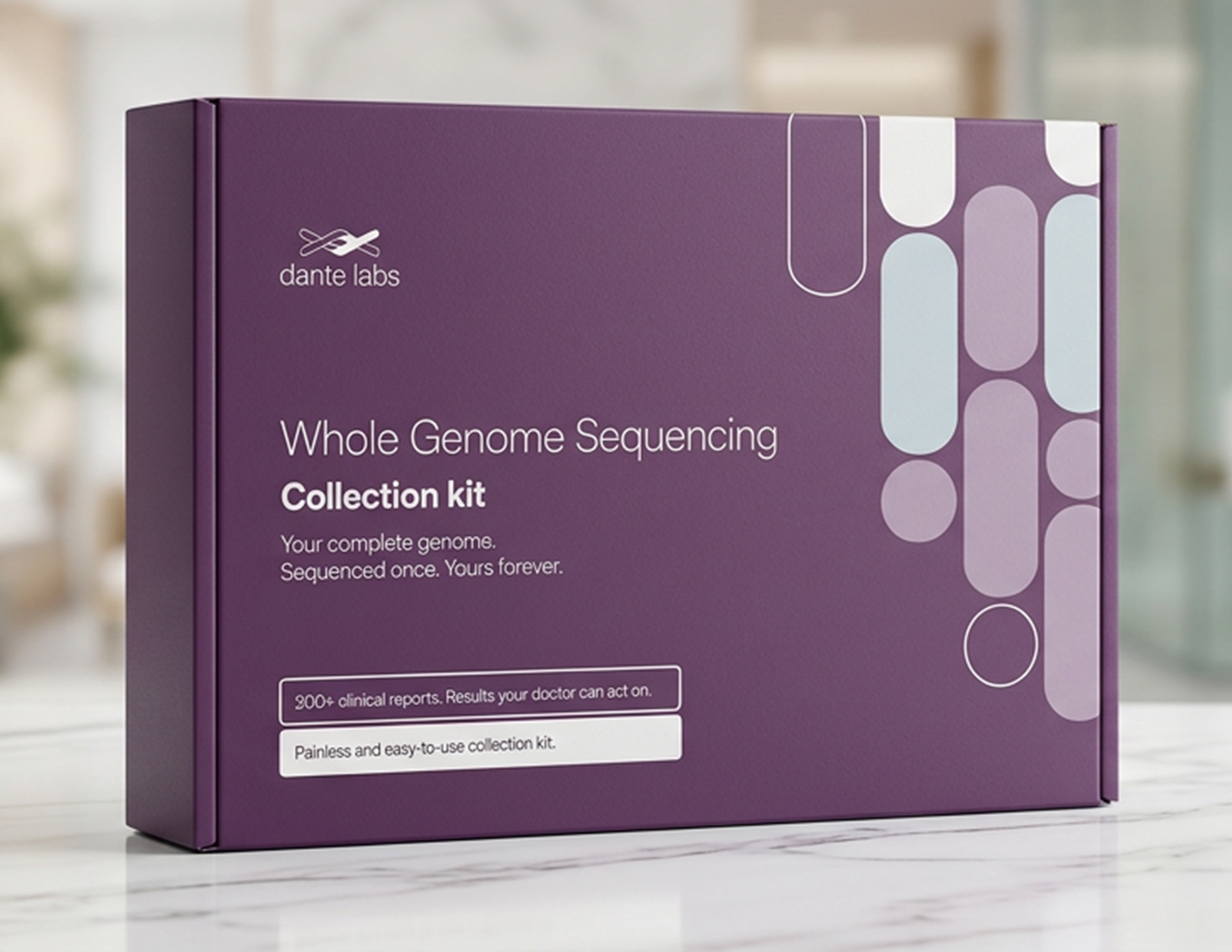
One kit, sent to your home. Your entire genome sequenced at the clinical standard used for diagnostic decisions. 200+ physician-ready reports delivered to your Genome Manager in 6–8 weeks — permanent and updated as science advances.

From $449

Ships within 48 hours · Results in 6–8 weeks