HYPOTHYROIDISM & HASHIMOTO'S

Hypothyroidism & Hashimoto's Genetic Risk — autoimmune thyroid disease has approximately 79% heritability, and genetic evaluation distinguishes autoimmune thyroiditis from monogenic congenital hypothyroidism, with implications for treatment and family screening.

Whole genome sequencing evaluates autoimmune thyroid susceptibility genes (HLA-DR3, HLA-DR4, CTLA4, PTPN22, TG, TSHR) and congenital hypothyroidism genes (PAX8, NKX2-1, FOXE1) — providing the complete thyroid genetic assessment.

CLIA CertifiedCAP AccreditedISO 15189 Medical LabACMG ClassifiedHIPAA & GDPR100,000+ Genomes Sequenced

About this condition

Hypothyroidism & Hashimoto's — Genetic Risk

Hashimoto's thyroiditis (chronic lymphocytic thyroiditis) is the most common cause of hypothyroidism in iodine-sufficient countries, affecting approximately 5% of the population — with a strong female predominance (7:1). Twin studies demonstrate approximately 79% heritability — one of the highest heritability estimates for any autoimmune disease. The genetic architecture includes HLA class II associations (HLA-DR3, HLA-DR4, HLA-DR5), immune regulatory genes (CTLA4, PTPN22, CD40, FOXP3), and thyroid-specific genes (TG/thyroglobulin, TSHR/TSH receptor). The CTLA4 A49G polymorphism is one of the strongest non-HLA associations.

Hashimoto's thyroiditis frequently co-occurs with other autoimmune conditions in autoimmune polyendocrine syndromes — type 1 diabetes, celiac disease, Addison's disease, vitiligo, and pernicious anemia. Shared genetic susceptibility variants (CTLA4, PTPN22, HLA) underlie these associations. Identifying genetic autoimmune thyroid risk can prompt screening for associated autoimmune conditions — particularly celiac disease and type 1 diabetes — that may be subclinical. Conversely, patients diagnosed with one autoimmune condition who carry thyroid-associated risk variants benefit from thyroid function monitoring.

Congenital hypothyroidism (CH) — distinct from autoimmune Hashimoto's — affects approximately 1 in 2,000-4,000 newborns and is detected by newborn screening (elevated TSH). Approximately 15-20% of CH has a genetic etiology: TSHR variants (TSH resistance), PAX8 (thyroid dysgenesis), NKX2-1 (thyroid dysgenesis with brain-lung-thyroid syndrome), FOXE1 (Bamforth-Lazarus syndrome), and thyroid hormone synthesis genes (TG, TPO, SLC5A5, DUOX2). Molecular diagnosis of congenital hypothyroidism guides prognosis (transient vs. permanent) and alerts to extra-thyroidal features (NKX2-1: neurological and pulmonary manifestations).

NKX2-1 variants cause brain-lung-thyroid syndrome — hypothyroidism plus choreoathetosis and respiratory distress. Any newborn with congenital hypothyroidism plus neurological or pulmonary symptoms should have NKX2-1 testing.

Gene locus
HLA-DRB1 (6p21.32), CTLA4 (2q33.2), PTPN22 (1p13.2), TG (8q24.22), TSHR (14q31.1), PAX8 (2q14.1), NKX2-1 (14q13.3)
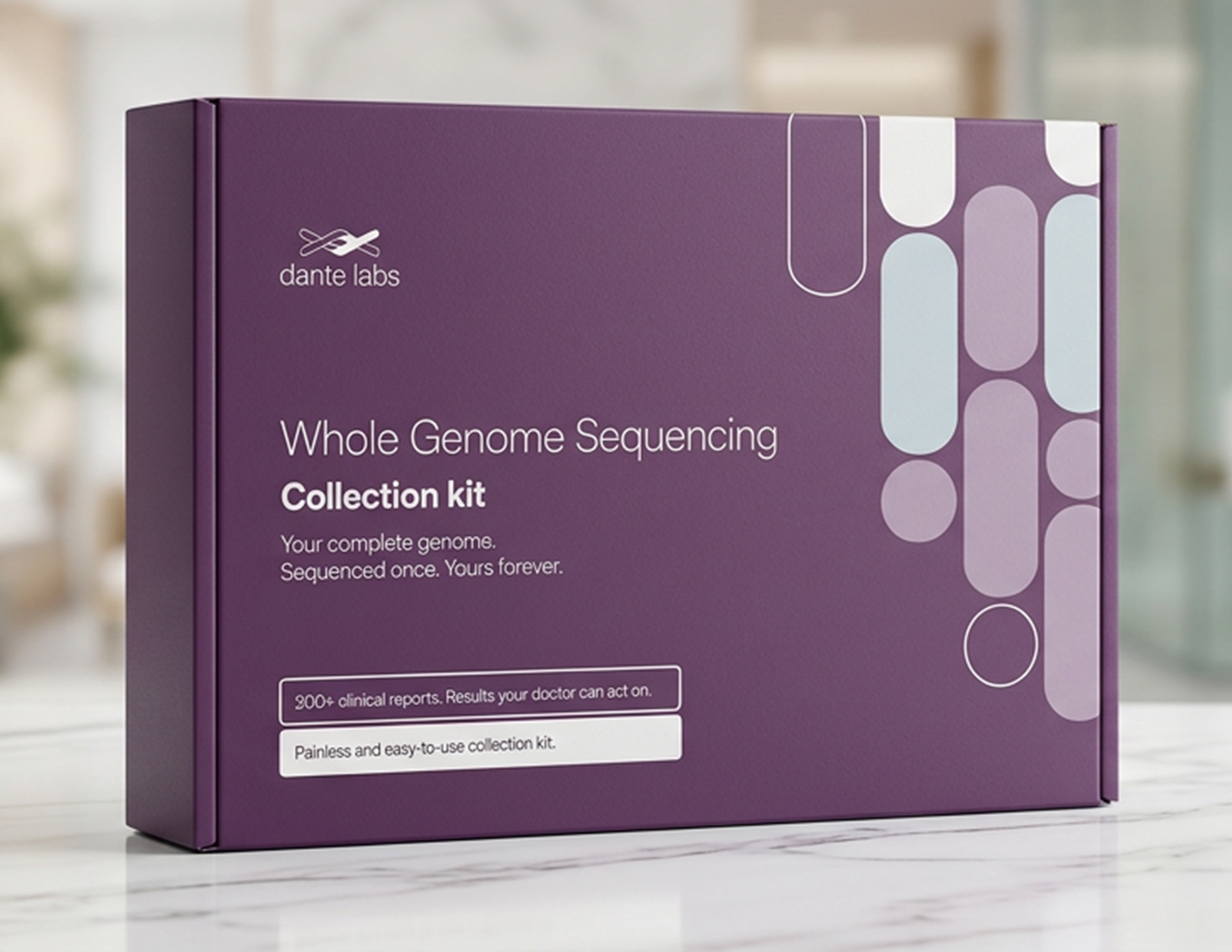
79% heritability means genetics is the dominant factor in autoimmune thyroid disease. WGS evaluates both autoimmune susceptibility and monogenic congenital hypothyroidism — plus identifies polyautoimmunity risk requiring screening for associated conditions.

Autoimmune thyroid risk variants predict polyautoimmunity — triggering screening for celiac disease, type 1 diabetes, and Addison's disease

CTLA4, PTPN22, and HLA risk variants are shared across multiple autoimmune diseases. A patient with Hashimoto's who carries high-risk CTLA4/PTPN22 genotypes has substantially elevated risk for celiac disease (screen with tissue transglutaminase antibodies), type 1 diabetes (monitor fasting glucose and autoantibodies), and Addison's disease (monitor morning cortisol). WGS identifies these shared susceptibility variants, enabling proactive screening for associated autoimmune conditions before they cause clinical harm.

Congenital hypothyroidism molecular diagnosis distinguishes transient from permanent — determining lifelong treatment vs. withdrawal trial

Approximately 30-40% of congenital hypothyroidism detected by newborn screening is transient — the thyroid function normalizes and lifelong levothyroxine is unnecessary. Molecular diagnosis helps distinguish permanent from transient CH: TSHR, PAX8, and NKX2-1 variants indicate permanent CH requiring lifelong treatment, while DUOX2 biallelic variants may be associated with transient or mild permanent CH. Without molecular diagnosis, all CH-detected infants receive levothyroxine with a trial withdrawal at age 3 — molecular diagnosis can inform this decision earlier.

One test. A lifetime of answers.

One kit, sent to your home. Your entire genome sequenced at the clinical standard used for diagnostic decisions. 200+ physician-ready reports delivered to your Genome Manager in 6–8 weeks — permanent and updated as science advances.

From $449

Ships within 48 hours · Results in 6–8 weeks