HEREDITARY ANGIOEDEMA

Hereditary Angioedema — unpredictable, sometimes fatal swelling attacks that once carried 30% lifetime laryngeal mortality, now entirely preventable with molecular diagnosis and mechanism-targeted therapy.

Whole genome sequencing identifies all hereditary angioedema molecular subtypes — SERPING1 variants (types 1 and 2), F12 variants (type 3), and ANGPT1/PLG variants — enabling selection among three distinct approved treatment mechanisms.

CLIA CertifiedCAP AccreditedISO 15189 Medical LabACMG ClassifiedHIPAA & GDPR100,000+ Genomes Sequenced

About this condition

Hereditary Angioedema

Hereditary angioedema (HAE) is a potentially life-threatening genetic condition characterized by recurrent episodes of subcutaneous and submucosal edema, most commonly affecting the extremities, face, gastrointestinal tract, and larynx. HAE affects approximately 1 in 50,000 individuals worldwide, with autosomal dominant inheritance and uniform penetrance but highly variable expressivity. Laryngeal attacks are the most feared complication — untreated, HAE carries a historical mortality rate of approximately 30% from upper airway obstruction. With modern on-demand and prophylactic therapies, mortality can be effectively eliminated when the diagnosis is established.

HAE is genetically heterogeneous. The most common forms — HAE types 1 and 2 — are caused by SERPING1 pathogenic variants encoding C1 inhibitor. Type 1 (~85%) involves reduced C1-INH quantity; type 2 (~15%) involves normal or elevated quantity but dysfunctional protein. Both types are diagnosed by measuring C1-INH level and functional activity, together with reduced C4 complement levels. HAE type 3 (HAE with normal C1-INH), primarily affecting women and often triggered or worsened by estrogen, is caused by pathogenic variants in F12 (factor XII) in approximately 25% of cases; other cases have variants in ANGPT1 (angiopoietin-1), PLG (plasminogen), KNG1, or MYOF, with the remainder genetically unresolved. HAE type 3 characteristically has normal complement studies, making its diagnosis entirely gene-dependent.

The treatment landscape for HAE has been transformed by multiple mechanism-specific approved therapies: C1 inhibitor concentrate replacement (HAEGARDA, Berinert, Ruconest), plasma kallikrein inhibitor (lanadelumab for prophylaxis, subcutaneous icatibant for on-demand), bradykinin receptor antagonist (icatibant), and most recently garadacumab and donidalorsen. Treatment selection and dosing may be influenced by molecular subtype — for example, HAE type 3 patients often have different trigger profiles and hormonal sensitivity that inform management. All approved therapies provide protection regardless of SERPING1 vs F12 genotype, but the emerging precision medicine landscape increasingly rewards precise molecular diagnosis.

HAE with normal C1-INH (type 3) has normal complement studies and is invisible to standard biochemical HAE testing. Only molecular genotyping can confirm the diagnosis in this subtype — and a confirmed F12, ANGPT1, or PLG variant guides management and enables family cascade testing.

Gene locus
SERPING1 (11q12.1), F12 (5q35.3), ANGPT1 (8q23.1), PLG (6q26)
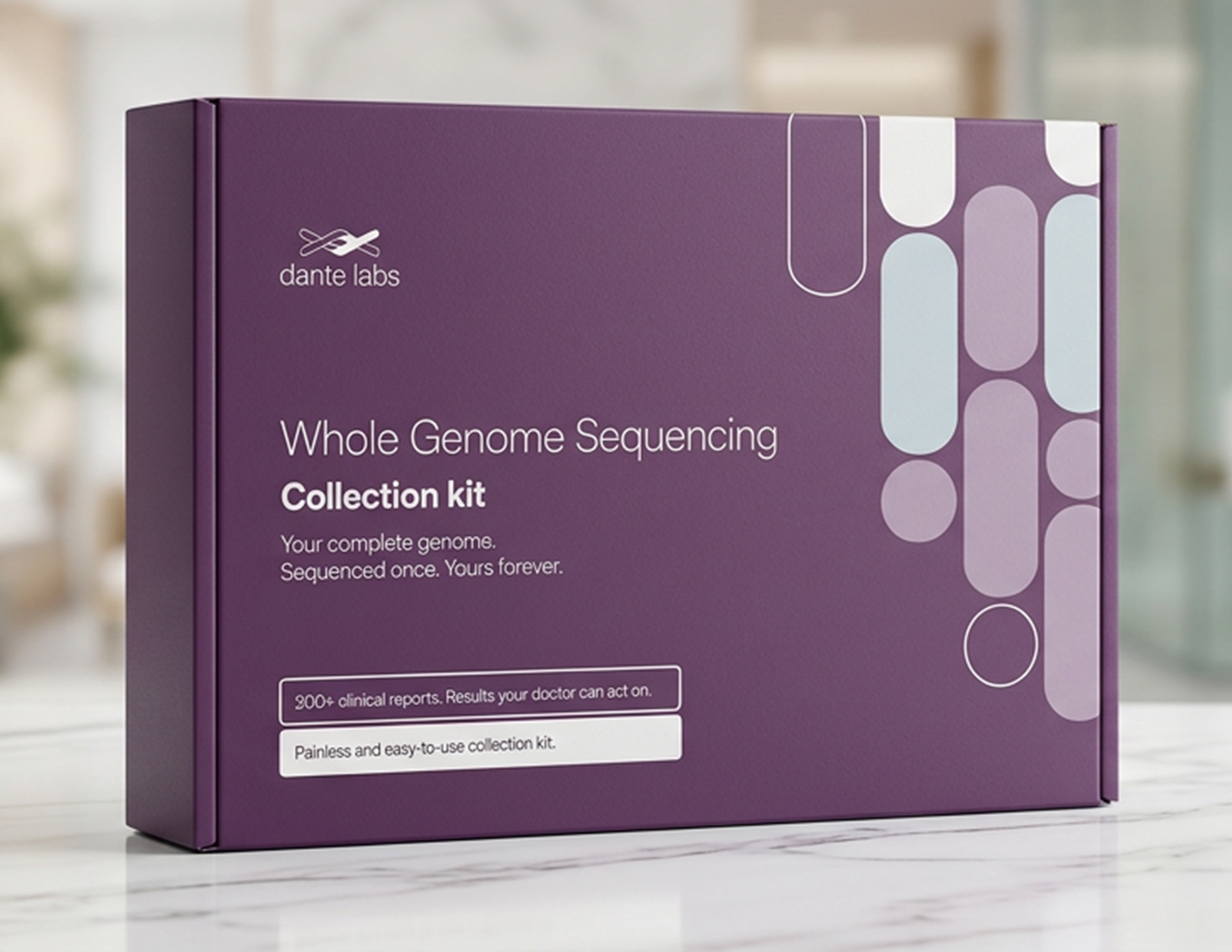
HAE type 3 with normal C1-INH has normal complement studies and is undetectable by standard biochemical testing. Molecular diagnosis is the only path to confirmation — and whole genome sequencing evaluates all known HAE genes in one test.

HAE type 3 is completely missed by standard complement testing — only gene sequencing can confirm it

Standard HAE diagnosis relies on biochemical measurements: C1-INH antigenic level, C1-INH functional activity, and C4. These tests reliably identify HAE types 1 and 2, both caused by SERPING1 variants with C1-INH deficiency. However, HAE type 3 — which may affect as many as 1 in 100,000 women — has entirely normal C4, C1-INH level, and C1-INH function. Women with recurrent unexplained angioedema, normal complement studies, and symptoms that worsen with oral contraceptives, pregnancy, or HRT may have HAE type 3 and remain undiagnosed for years. Molecular testing of F12, ANGPT1, and PLG is the only path to confirming this diagnosis.

Knowing the precise SERPING1 variant enables family cascade testing and stratifies novel therapy eligibility

Emerging HAE therapies — including RNA interference approaches targeting plasma kallikrein — have been developed with mechanism specificity that may translate into differential response by HAE subtype. SERPING1 variant type (missense, null, splicing) is associated with HAE type 1 vs type 2 classification, which informs interpretation of C1-INH functional assays. Family cascade testing — identifying at-risk relatives before a first laryngeal attack — prevents deaths and requires knowing the precise familial variant. Whole genome sequencing provides the complete SERPING1 coding and intronic sequence, detecting all variant types including large deletions that account for approximately 10-20% of SERPING1 pathogenic variants.

One test. A lifetime of answers.

One kit, sent to your home. Your entire genome sequenced at the clinical standard used for diagnostic decisions. 200+ physician-ready reports delivered to your Genome Manager in 6–8 weeks — permanent and updated as science advances.

From $449

Ships within 48 hours · Results in 6–8 weeks