GLAUCOMA — GENETIC TESTING

Glaucoma Genetic Testing — the leading cause of irreversible blindness worldwide, where genetic identification of at-risk family members enables the early detection and treatment that prevents vision loss before it occurs.

Whole genome sequencing evaluates all glaucoma genes — MYOC (juvenile and adult-onset POAG), OPTN, TBK1, WDR36, CYP1B1 (congenital glaucoma), LTBP2, TEK — plus polygenic risk variants that influence IOP and optic nerve susceptibility.

CLIA CertifiedCAP AccreditedISO 15189 Medical LabACMG ClassifiedHIPAA & GDPR100,000+ Genomes Sequenced

About this condition

Glaucoma — Genetic Testing

Glaucoma is a group of progressive optic neuropathies and the leading cause of irreversible blindness worldwide, affecting approximately 3 million Americans and 80 million people globally. Primary open-angle glaucoma (POAG) — the most common form — has heritability of approximately 40-65%, with first-degree relatives of POAG patients having 4-10x increased risk. MYOC (myocilin) is the most well-established POAG gene: pathogenic variants cause approximately 3-5% of POAG (higher in juvenile-onset POAG — up to 10-36%) with autosomal dominant inheritance, typically presenting with very high intraocular pressure (IOP). OPTN (optineurin) causes normal-tension glaucoma.

Congenital (infantile) glaucoma — presenting in the first year of life with corneal enlargement (buphthalmos), tearing, and photophobia — is most commonly caused by CYP1B1 (autosomal recessive, ~85% of isolated congenital glaucoma in some populations) and LTBP2. This is a surgical emergency — trabeculotomy or goniotomy must be performed promptly to prevent permanent optic nerve damage. Molecular CYP1B1 confirmation enables carrier testing of parents and prenatal/preimplantation genetic testing for future pregnancies.

The clinical value of glaucoma genetic testing lies primarily in presymptomatic family screening. Glaucoma is irreversible — once optic nerve fibers are lost, they cannot regenerate. However, glaucoma is highly treatable when detected early (IOP-lowering drops, laser trabeculoplasty, MIGS surgery). Identifying MYOC variant carriers through family cascade testing enables IOP monitoring BEFORE optic nerve damage occurs — the optimal prevention window. MYOC carriers typically develop elevated IOP 5-20 years before visual field loss, providing a substantial treatment window when carriers are identified genetically.

Glaucoma vision loss is irreversible but PREVENTABLE with early treatment. MYOC carriers develop elevated IOP years before visual field loss — genetic identification enables treatment before any vision is lost.

Gene locus
MYOC (1q24.3), OPTN (10p13), TBK1 (12q14.2), CYP1B1 (2p22.2), LTBP2 (14q24.3), TEK (9p21.2), WDR36 (5q22.1)
Glaucoma is irreversible but preventable. Genetic testing identifies family members at risk BEFORE optic nerve damage begins — the only strategy that prevents all vision loss rather than slowing ongoing loss.

MYOC carriers have 5-20 years of elevated IOP before visual field loss — genetic identification enables pre-damage treatment

MYOC-associated POAG typically progresses through elevated IOP → cupping of the optic disc → thinning of the retinal nerve fiber layer → visual field loss. This progression takes years to decades. Genetic identification of MYOC carriers enables IOP monitoring from earliest adulthood (or late childhood for juvenile-onset variants), with IOP-lowering therapy initiated at the first sign of elevated pressure — preventing all optic nerve damage. Family members screened clinically may not be evaluated until symptoms prompt an eye exam, by which time significant irreversible damage has occurred.

CYP1B1 congenital glaucoma is a surgical emergency — molecular confirmation enables genetic counseling and prenatal diagnosis for future pregnancies

Congenital glaucoma caused by CYP1B1 requires urgent surgical intervention (trabeculotomy/goniotomy) to prevent optic nerve destruction. CYP1B1 is autosomal recessive — carrier parents have 25% recurrence risk in each subsequent pregnancy. Molecular confirmation of biallelic CYP1B1 variants enables preimplantation or prenatal genetic testing, and alerts neonatologists to evaluate the next child's IOP at birth rather than waiting for clinical signs.

One test. A lifetime of answers.

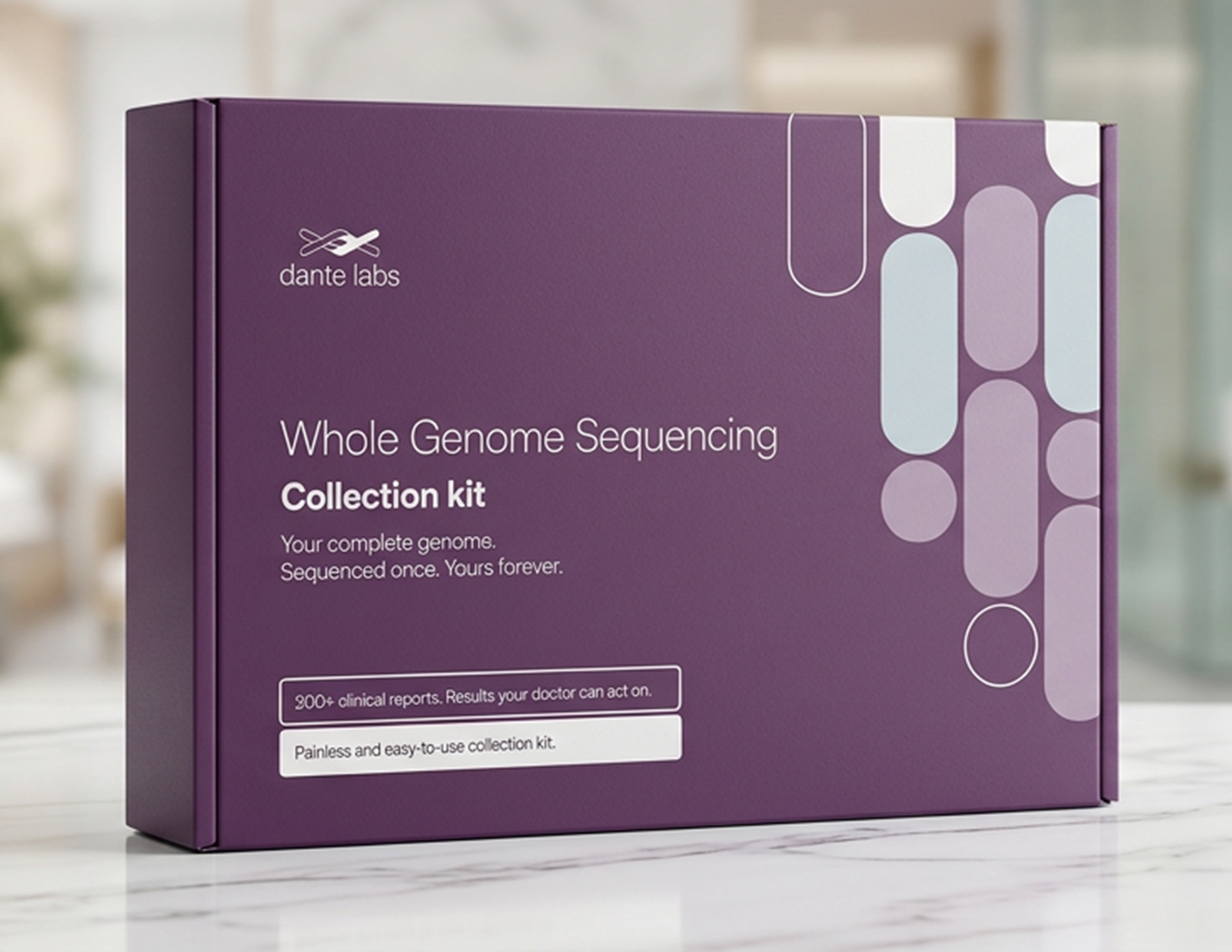
One kit, sent to your home. Your entire genome sequenced at the clinical standard used for diagnostic decisions. 200+ physician-ready reports delivered to your Genome Manager in 6–8 weeks — permanent and updated as science advances.

From $449

Ships within 48 hours · Results in 6–8 weeks