CODEINE & OPIOID RESPONSE — CYP2D6

Codeine & Opioid Response — CYP2D6 variants that convert codeine to morphine at rates ranging from zero to dangerously high, with an FDA black box warning issued after pediatric deaths in ultra-rapid metabolizers.

Whole genome sequencing provides the complete CYP2D6 diplotype — including gene duplication events that create ultra-rapid metabolizer status — for all CYP2D6-substrate opioids: codeine, tramadol, hydrocodone, and oxycodone.

CLIA CertifiedCAP AccreditedISO 15189 Medical LabACMG ClassifiedHIPAA & GDPR100,000+ Genomes Sequenced

About this condition

Codeine & Opioid Response — CYP2D6

Codeine is a prodrug that requires metabolic activation by the cytochrome P450 enzyme CYP2D6 to produce its active analgesic metabolite, morphine. The fraction of codeine converted to morphine — and therefore the analgesic effect and toxicity risk — is directly determined by CYP2D6 metabolizer status. CYP2D6 is one of the most polymorphic human genes, with over 100 named star alleles that produce a spectrum of metabolizer phenotypes from complete absence of enzyme activity (poor metabolizers) to dramatically amplified activity (ultra-rapid metabolizers carrying duplicated or multiplied functional gene copies).

CYP2D6 ultra-rapid metabolizers (UMs) — carrying 3 or more functional CYP2D6 gene copies — convert codeine to morphine at supranormal rates, producing morphine plasma levels equivalent to significantly higher doses. This creates a life-threatening risk of respiratory depression, particularly in children. The FDA issued a black box warning on codeine in 2013 and subsequently contraindicated codeine use in all children under 12 and in breastfeeding women after multiple pediatric deaths were attributed to CYP2D6 ultra-rapid metabolism. CYP2D6 poor metabolizers (PMs) carry two loss-of-function alleles and derive essentially no analgesic benefit from codeine — these patients experience no pain relief at standard doses and may be incorrectly labeled 'drug-seeking' when they report inefficacy.

CYP2D6 also mediates the metabolism of tramadol (activated to O-desmethyltramadol), hydrocodone (activated to hydromorphone), and oxycodone (partially metabolized via CYP2D6). The CPIC Level A guideline for codeine and CYP2D6 recommends alternative analgesics for both ultra-rapid and poor metabolizers — eliminating the extremes of the metabolizer spectrum from codeine prescribing. UM frequency varies substantially by ancestry: approximately 1-2% of Northern Europeans, 3-4% of African Americans, and 10-20% or higher in some North African and Middle Eastern populations carry ultrarapid genotypes.

CYP2D6 ultra-rapid metabolizer frequency reaches 10-20% in North African and Middle Eastern populations — a finding with direct safety implications for codeine prescribing in these communities.

Gene locus
CYP2D6 (22q13.2)

CYP2D6 ultra-rapid metabolizer status arises from gene duplication events that standard SNP-based panels and most pharmacogenomics tests cannot reliably detect. Complete CYP2D6 copy number analysis requires genome-level sequencing.

Gene duplication — the variant that kills — requires genome-level copy number analysis to detect

CYP2D6 ultra-rapid metabolizer status most commonly arises from gene duplication or multiplication events where an individual inherits 3, 4, or more copies of a functional CYP2D6 allele. Standard pharmacogenomics panels based on SNP genotyping can identify the major loss-of-function alleles (*3, *4, *5, *6) but have limited and variable ability to detect gene duplications. Multiple validation studies have documented patients classified as 'normal metabolizers' by SNP panels who were subsequently found to carry CYP2D6 gene duplications — ultra-rapid metabolizers who would have been prescribed codeine under the false assumption of normal metabolism. Whole genome sequencing provides both variant identification and copy number analysis across the CYP2D6 locus.

One genome result covers codeine, tramadol, hydrocodone, and every CYP2D6-substrate drug for life

CYP2D6 metabolizes not only codeine and tramadol but also a broad range of medications across multiple drug classes — antidepressants (fluoxetine, paroxetine, venlafaxine), antipsychotics (haloperidol, risperidone), beta-blockers (metoprolol), antiemetics (ondansetron), and tamoxifen. A complete CYP2D6 diplotype from whole genome sequencing provides actionable prescribing information for all of these drugs simultaneously and permanently. The result is generated once and applies to every future prescribing encounter involving a CYP2D6-substrate medication — a lifetime pharmacogenomic asset.

One test. A lifetime of answers.

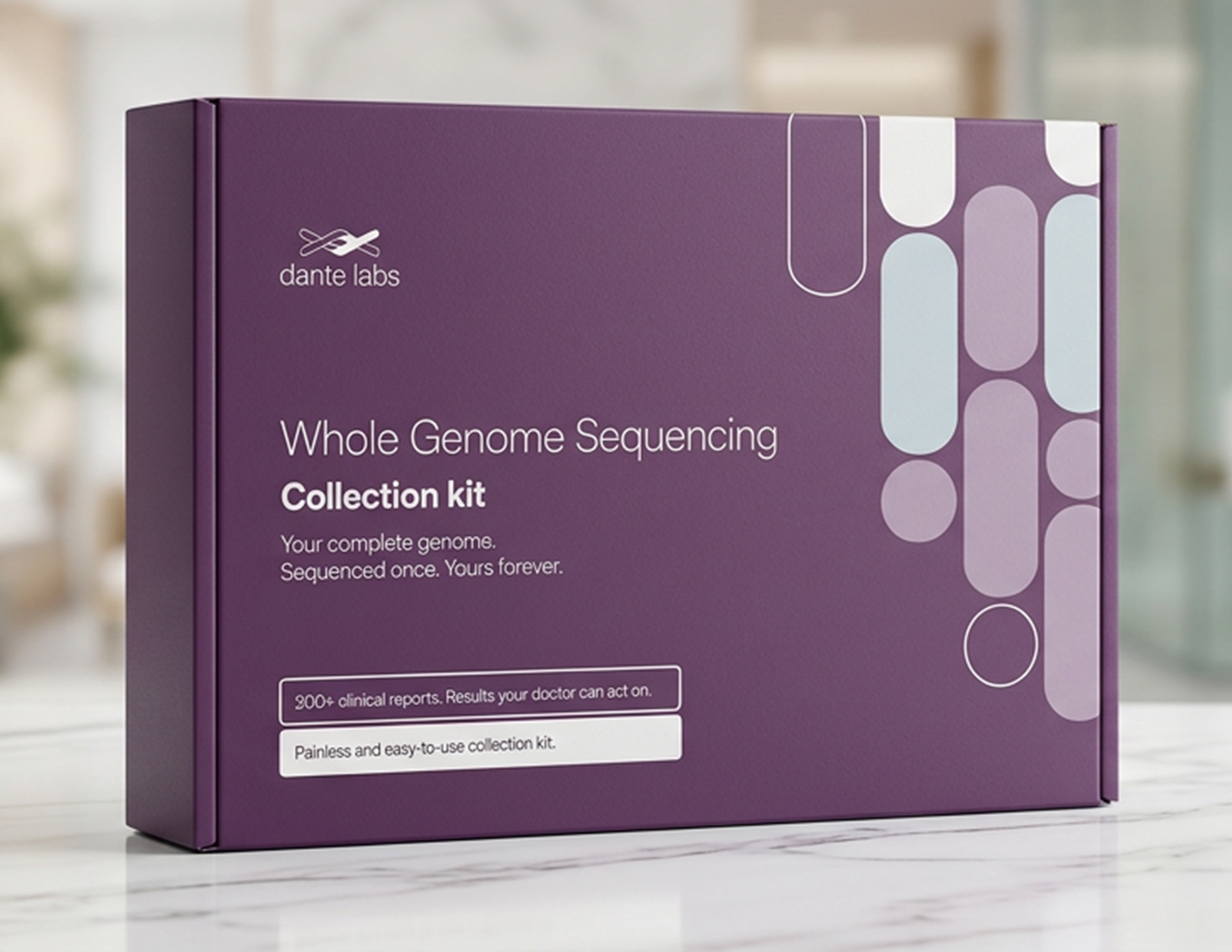
One kit, sent to your home. Your entire genome sequenced at the clinical standard used for diagnostic decisions. 200+ physician-ready reports delivered to your Genome Manager in 6–8 weeks — permanent and updated as science advances.

From $449

Ships within 48 hours · Results in 6–8 weeks