FANCONI ANEMIA

Fanconi Anemia — a complex DNA repair disorder caused by variants in any of 23 genes, where the specific complementation group determines bone marrow transplant conditioning intensity and lifetime cancer surveillance protocol.

Whole genome sequencing evaluates all 23 Fanconi anemia complementation group genes simultaneously — the only practical way to determine which gene is responsible, a distinction that directly affects transplant planning and ongoing cancer management.

CLIA CertifiedCAP AccreditedISO 15189 Medical LabACMG ClassifiedHIPAA & GDPR100,000+ Genomes Sequenced

About this condition

Fanconi Anemia

Fanconi anemia (FA) is an autosomal recessive (and one X-linked) DNA repair disorder caused by pathogenic variants in genes encoding any component of the Fanconi anemia-BRCA DNA damage response pathway. FA is genetically heterogeneous — 23 complementation groups have been defined (FANC-A through FANC-V, with additional subgroups), corresponding to 23 distinct genes. FANCA pathogenic variants account for approximately 60-70% of FA cases; FANCC (~10%) and FANCG (~10%) are the next most common. FA affects approximately 1 in 130,000 births, with higher frequencies in specific populations: FANCC c.711+4A>T is common in Ashkenazi Jews (carrier frequency ~1 in 90), and FANCA deletions are enriched in Spanish Roma populations.

FA is characterized by a variable combination of: congenital physical anomalies (thumb/radial ray defects, short stature, café-au-lait spots, renal malformations, cardiac defects — present in approximately 60-75% of patients); progressive bone marrow failure (aplastic anemia, typically presenting in the first decade); and markedly elevated cancer risk — particularly acute myeloid leukemia and head and neck squamous cell carcinoma. The median age of bone marrow failure onset is approximately 7 years. Hematopoietic stem cell transplantation (HSCT) is the only curative treatment for the bone marrow failure and AML risk, but FA patients tolerate standard transplant conditioning chemotherapy and radiation extremely poorly due to DNA repair deficiency — requiring specially designed reduced-intensity protocols.

The specific FA complementation group has direct clinical implications. FANCB is X-linked (the only X-linked complementation group) — carrier females have no elevated cancer risk, but hemizygous males are severely affected. FANCD1 pathogenic variants are biallelic BRCA2 — these patients have the most severe FA phenotype, earliest bone marrow failure, and highest additional cancer risks (medulloblastoma, Wilms tumor). FANCN biallelic pathogenic variants are biallelic PALB2. FANCJ biallelic variants are biallelic BRIP1. This overlap with known hereditary cancer genes has implications for heterozygous family members — carriers of FANCD1/BRCA2, FANCN/PALB2, and FANCJ/BRIP1 have heterozygous cancer risk.

FANCD1 pathogenic variants are biallelic BRCA2 — the most severe FA phenotype with earliest cancer onset including pediatric medulloblastoma and Wilms tumor. Carriers are BRCA2 heterozygotes with elevated breast and ovarian cancer risk.

Gene locus
FANCA (16q24.3), FANCC (9q22.32), FANCG (9p13.3), FANCD1/BRCA2, FANCN/PALB2, and 18 additional complementation group genes
23 complementation groups require 23 genes evaluated simultaneously. Sequential single-gene or limited panel testing is impractical. Whole genome sequencing resolves all FA genes in a single test, enabling rapid complementation group assignment.

Chromosome breakage testing diagnoses FA — but not which gene, which is needed for transplant planning

The diagnostic gold standard for Fanconi anemia is the chromosome breakage (diepoxybutane or mitomycin C) test, which demonstrates the characteristic FA DNA repair defect but does not identify which complementation group or gene is responsible. Complementation group determination — historically done by cell fusion experiments — is required for HSCT conditioning protocol design (some groups require adjusted protocols), cancer surveillance intensity planning (FANCD1/FANCD2 affect the risk profile), and family cascade testing (to identify which relatives may carry heterozygous cancer susceptibility variants). Whole genome sequencing simultaneously evaluates all 23 FA complementation group genes, providing complementation group assignment rapidly from a single DNA sample.

FA gene heterozygotes in the family may have hereditary cancer risk that requires its own surveillance

Families of FA patients contain obligate heterozygous carriers. When the FA complementation group involves BRCA2 (FANCD1), PALB2 (FANCN), BRIP1 (FANCJ), or BRCA1 (FANCS), heterozygous family members carry hereditary breast and ovarian cancer risk requiring dedicated surveillance. A parent of a FANCD1-affected child who is an obligate BRCA2 heterozygote needs immediate BRCA2-positive hereditary cancer management — annual breast MRI, NCCN surveillance protocols, consideration of risk-reducing surgery. Identifying the FA complementation group from whole genome sequencing directly leads to appropriate hereditary cancer counseling for all first-degree relatives who are obligate carriers.

One test. A lifetime of answers.

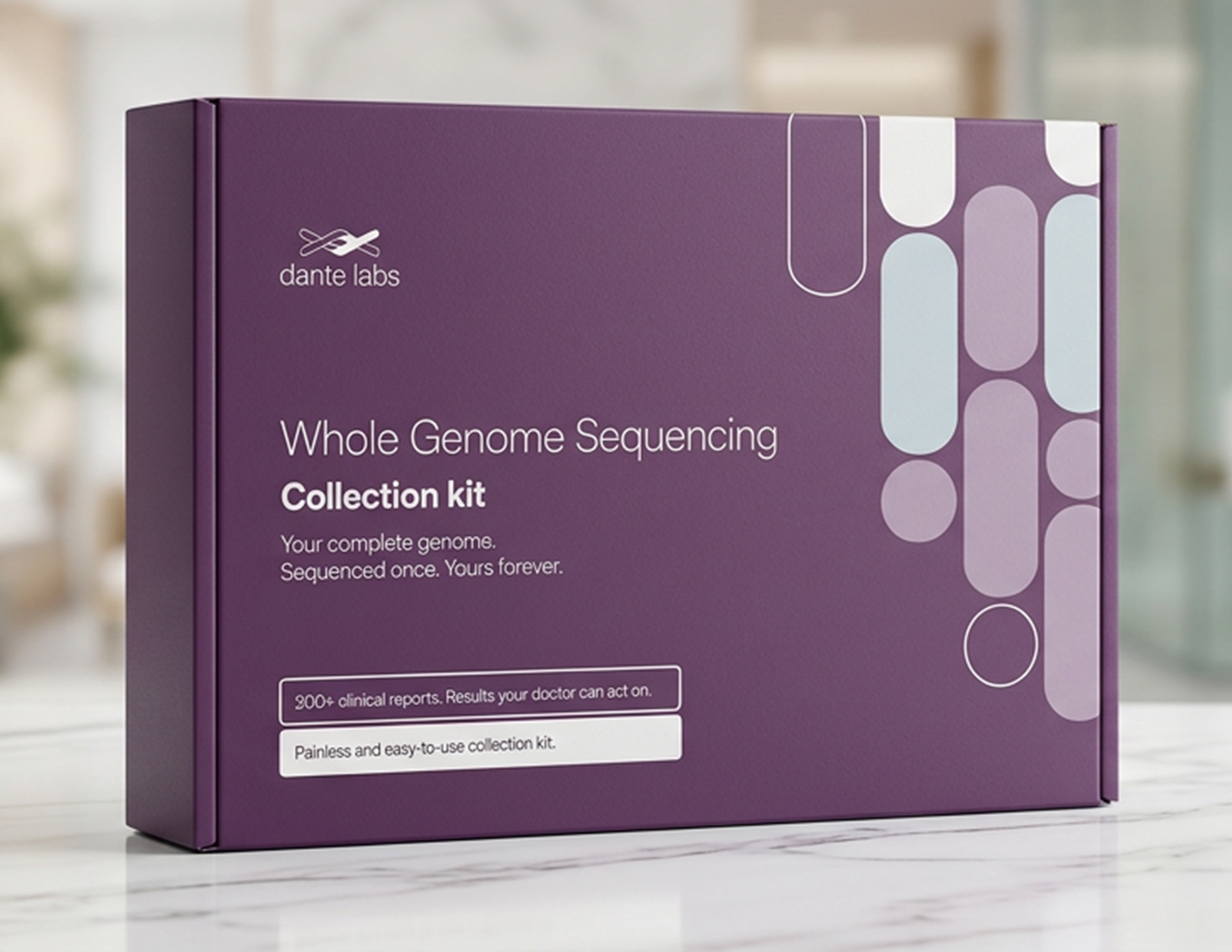
One kit, sent to your home. Your entire genome sequenced at the clinical standard used for diagnostic decisions. 200+ physician-ready reports delivered to your Genome Manager in 6–8 weeks — permanent and updated as science advances.

From $449

Ships within 48 hours · Results in 6–8 weeks