FAMILIAL DYSAUTONOMIA

Familial Dysautonomia — autonomic nervous system failure caused by the ELP1 founder variant, with one of the highest carrier frequencies of any genetic condition in Ashkenazi Jewish populations (1 in 30).

Whole genome sequencing identifies the ELP1 splice site founder variant and all rare non-Ashkenazi ELP1 alleles — providing carrier screening that single-variant Ashkenazi panels cannot match for mixed-ancestry couples.

CLIA CertifiedCAP AccreditedISO 15189 Medical LabACMG ClassifiedHIPAA & GDPR100,000+ Genomes Sequenced

About this condition

Familial Dysautonomia

Familial dysautonomia (FD, Riley-Day syndrome, hereditary sensory and autonomic neuropathy type III) is an autosomal recessive neurodevelopmental disorder caused by pathogenic variants in ELP1 (elongator complex protein 1, formerly IKBKAP) on chromosome 9q31.3. ELP1 is a component of the Elongator complex involved in tRNA modification. Deficiency leads to progressive degeneration of sensory and autonomic neurons. The condition is almost exclusive to the Ashkenazi Jewish population, where a single founder splice site variant (c.2204+6T>C in intron 20) accounts for over 99% of disease alleles. Carrier frequency is approximately 1 in 30-36 Ashkenazi Jews.

FD presents in infancy with feeding difficulties, absent overflow tears (alacrima — virtually pathognomonic), absent fungiform papillae on the tongue, and reduced response to pain and temperature. Autonomic dysfunction produces episodic hypertensive crises (dysautonomic crises) with nausea, vomiting, tachycardia, and hypertension — triggered by emotional stress, illness, or anesthesia. Cardiovascular instability is the leading cause of sudden death. Progressive sensory neuropathy leads to corneal ulceration (from absent protective tearing), orthopedic complications from insensitivity to injury, and progressive gait ataxia.

Survival has improved dramatically with modern management — median life expectancy now exceeds 40 years with optimal care, compared with childhood mortality in the pre-treatment era. Management includes artificial tears and corneal protection, antihypertensive therapy during dysautonomic crises, careful anesthesia protocols (specialized centers only), scoliosis management, and proactive pulmonary care (aspiration pneumonia is a major morbidity). There is no disease-modifying therapy, making carrier screening and reproductive planning the primary prevention strategy.

Anesthesia in FD patients requires specialized protocols — autonomic instability during surgery can cause life-threatening hypertensive or hypotensive crises. Only anesthesiologists experienced with FD should manage these patients.

Gene locus
ELP1 (9q31.3)

A single Ashkenazi panel variant detects 99% of FD alleles in that population. But mixed-ancestry couples require complete ELP1 gene evaluation — and the 1 in 30 carrier frequency makes screening essential.

1 in 30 carrier frequency — higher than Tay-Sachs — makes FD one of the highest-priority Ashkenazi carrier screening conditions

The ELP1 founder variant carrier frequency of approximately 1 in 30-36 in Ashkenazi Jewish individuals is higher than the carrier frequency for Tay-Sachs disease (~1 in 30) and Canavan disease (~1 in 40-55). At this carrier frequency, approximately 1 in 3,600 Ashkenazi-Ashkenazi couples are both carriers, and 1 in 14,400 pregnancies is at risk for an affected child. Universal Ashkenazi carrier screening that includes ELP1 alongside HEXA, ASPA, GBA, BLM, FANCC, and others is the standard of care in reproductive medicine.

Pre-pregnancy carrier identification enables full reproductive planning — results during pregnancy compress options

For FD carrier couples identified before pregnancy, the full reproductive options spectrum is available: IVF with PGT-M, prenatal diagnosis by CVS or amniocentesis, donor gametes, or acceptance of risk. For carrier couples identified during pregnancy, only prenatal diagnosis and the decision to continue or terminate are available. Given the 1 in 30 carrier frequency, the probability that two Ashkenazi Jewish partners are both carriers is not negligible — preconception screening provides the optimal timing for informed decision-making.

One test. A lifetime of answers.

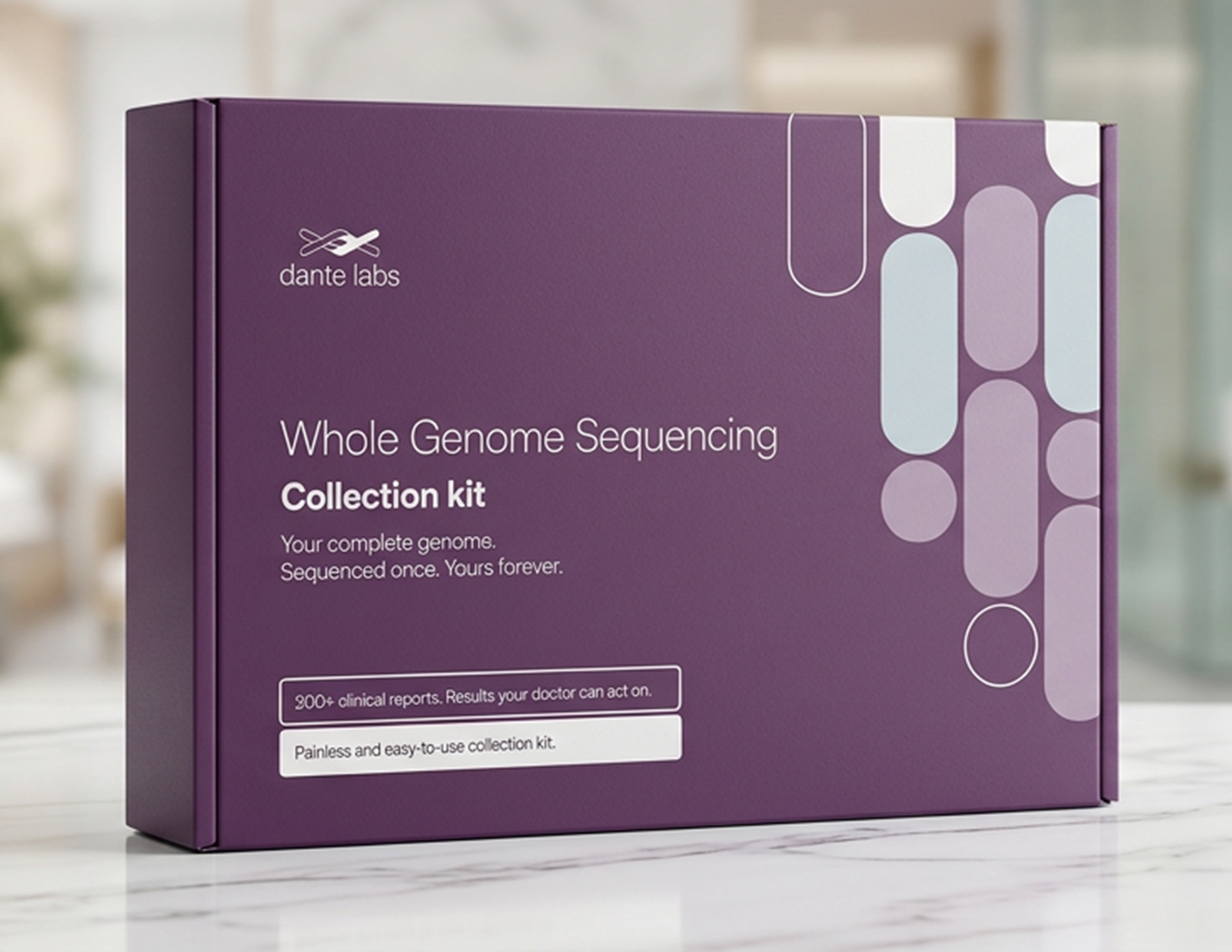
One kit, sent to your home. Your entire genome sequenced at the clinical standard used for diagnostic decisions. 200+ physician-ready reports delivered to your Genome Manager in 6–8 weeks — permanent and updated as science advances.

From $449

Ships within 48 hours · Results in 6–8 weeks