CONGENITAL ADRENAL HYPERPLASIA

Congenital Adrenal Hyperplasia — a common adrenal enzyme deficiency where the causative gene sits adjacent to a nearly identical pseudogene, making accurate molecular diagnosis one of the most technically demanding in clinical genetics.

Whole genome sequencing resolves the CYP21A2/CYP21A1P pseudogene region with the allelic resolution needed to distinguish pathogenic variants from benign pseudogene sequences — the core diagnostic challenge in CAH.

CLIA CertifiedCAP AccreditedISO 15189 Medical LabACMG ClassifiedHIPAA & GDPR100,000+ Genomes Sequenced

About this condition

Congenital Adrenal Hyperplasia

Congenital adrenal hyperplasia (CAH) is a group of autosomal recessive disorders of adrenal steroidogenesis. The most common form — 21-hydroxylase deficiency — accounts for over 90% of cases and is caused by pathogenic variants in the CYP21A2 gene (encoding steroid 21-hydroxylase) on chromosome 6p21.33. 21-hydroxylase is essential for cortisol and aldosterone synthesis; its deficiency leads to ACTH-driven adrenal hyperplasia, androgen excess, and variable cortisol and mineralocorticoid deficiency. CAH affects approximately 1 in 14,000 to 1 in 18,000 newborns worldwide for classic forms, with much higher rates in genetically isolated populations.

CAH presents as a clinical spectrum: the severe classic salt-wasting form causes neonatal adrenal crisis and virilization of 46,XX infants (ambiguous genitalia); the classic simple virilizing form causes virilization with preserved mineralocorticoid function; and the non-classic (late-onset) form presents with signs of androgen excess in adolescence or adulthood — acne, hirsutism, menstrual irregularity, and infertility. Non-classic CAH has a carrier frequency of approximately 1 in 40 in Ashkenazi Jewish populations and 1 in 60-70 in the general European population. Genotype correlates broadly with phenotype: null variants (deletions, nonsense, frameshift) cause classic salt-wasting; severe missense variants cause simple virilizing; and milder missense variants (particularly p.Val282Leu) cause non-classic CAH.

The primary molecular diagnostic challenge in CAH is the genomic architecture of the CYP21A2 locus. The active CYP21A2 gene is situated immediately adjacent to an inactive pseudogene, CYP21A1P, which shares approximately 98% sequence identity at the nucleotide level. This high homology causes frequent gene conversion events — transfer of pseudogene sequences into the active CYP21A2 copy — and recurrent large deletions and duplications mediated by recombination between the two highly similar sequences. Standard sequencing approaches that do not specifically address this region can attribute pseudogene variants to the active gene (false positives) or miss large rearrangements entirely, leading to diagnostic errors.

21-hydroxylase deficiency accounts for >90% of CAH. Rarer forms — 11-beta-hydroxylase deficiency (CYP11B1), 17-alpha-hydroxylase deficiency (CYP17A1), 3-beta-HSD deficiency (HSD3B2) — each have distinct biochemical signatures and require specific gene evaluation.

Gene locus
CYP21A2 (6p21.33)

The CYP21A2/CYP21A1P pseudogene structure makes this one of the most technically challenging loci in clinical genetics. Standard CAH panels miss gene conversion events and complex rearrangements that explain genotype-phenotype mismatches.

Standard sequencing cannot reliably distinguish CYP21A2 from its near-identical pseudogene

Short-read sequencing of the CYP21A2 locus using standard panel approaches is prone to two types of error: pseudogene sequences mapping to the active CYP21A2 gene (creating false positive variants) and true CYP21A2 variants being attributed to the pseudogene (false negatives). The 98% sequence identity between CYP21A2 and CYP21A1P means that short sequencing reads cannot consistently be assigned to the correct gene copy. Long-read sequencing approaches — increasingly incorporated into whole genome sequencing pipelines for complex loci — can resolve the CYP21A2/CYP21A1P haplotype structure with the allelic resolution that standard short-read panels cannot provide. This technical distinction is clinically critical: a diagnostic error in CAH can lead to either unnecessary treatment or missed diagnosis in a potentially life-threatening condition.

Complete CYP21A2 genotyping determines newborn treatment urgency and guides carrier testing in affected families

In newborn screening programs that detect elevated 17-hydroxyprogesterone, confirmatory CYP21A2 genotyping distinguishes classic salt-wasting CAH (requiring immediate salt supplementation and steroid therapy to prevent adrenal crisis) from simple virilizing or non-classic forms. The specific genotype — null allele compound heterozygous versus two mild alleles — determines both the urgency of treatment initiation and the predicted clinical trajectory. In known CAH families, prenatal diagnosis by chorionic villus sampling with complete CYP21A2 genotyping enables consideration of prenatal dexamethasone treatment in 46,XX fetuses before virilization occurs — a time-sensitive intervention that requires definitive genotyping early in the first trimester.

One test. A lifetime of answers.

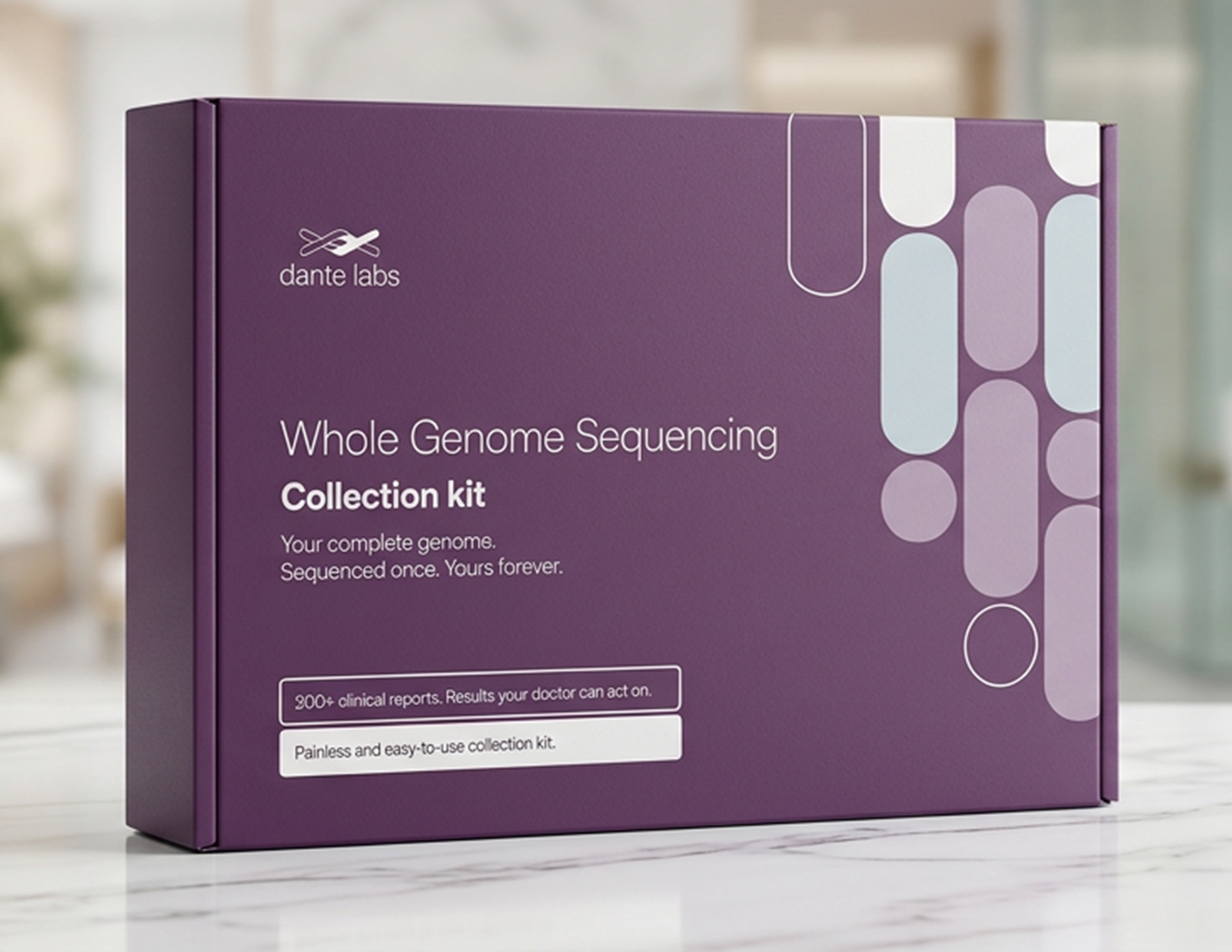
One kit, sent to your home. Your entire genome sequenced at the clinical standard used for diagnostic decisions. 200+ physician-ready reports delivered to your Genome Manager in 6–8 weeks — permanent and updated as science advances.

From $449

Ships within 48 hours · Results in 6–8 weeks