CHARGE SYNDROME

CHARGE Syndrome — a complex multisystem condition affecting 1 in 8,500 births, where molecular CHD7 diagnosis coordinates the cardiac, otolaryngological, ophthalmological, and developmental care that these children require from birth.

Whole genome sequencing identifies all CHD7 pathogenic variants — from missense to truncating to structural — providing the molecular diagnosis that unifies seemingly unrelated birth defects and directs the comprehensive assessment protocol.

CLIA CertifiedCAP AccreditedISO 15189 Medical LabACMG ClassifiedHIPAA & GDPR100,000+ Genomes Sequenced

About this condition

CHARGE Syndrome

CHARGE syndrome is a multisystem condition caused by heterozygous pathogenic variants in CHD7 (chromodomain helicase DNA-binding protein 7, chromosome 8q12.2), which encodes a chromatin remodeling factor essential for neural crest cell development. CHARGE is an acronym: Coloboma of the eye, Heart defects, Atresia of choanae, Restriction of growth and development, Genital abnormalities, and Ear anomalies (including hearing loss and vestibular dysfunction). CHARGE affects approximately 1 in 8,500-10,000 births and is the second most common genetic cause of combined deafblindness after Usher syndrome.

CHARGE syndrome has highly variable expressivity — ranging from neonates with life-threatening choanal atresia and complex congenital heart defects requiring immediate surgical intervention, to mildly affected individuals diagnosed in childhood with hearing loss and subtle facial features. Over 90% of CHD7 variants are de novo. Major features include coloboma (~80%), congenital heart defects (tetralogy of Fallot most common, ~75%), choanal atresia/stenosis (~50%), semicircular canal aplasia (~100% — virtually pathognomonic when complete), cranial nerve abnormalities (facial palsy, swallowing difficulty), and hypogonadotropic hypogonadism.

Semicircular canal aplasia/hypoplasia on temporal bone CT is virtually pathognomonic for CHARGE and is present in nearly 100% of molecularly confirmed cases. This feature causes significant vestibular dysfunction contributing to delayed motor milestones — children with CHARGE often cannot walk until age 3-4 due to vestibular impairment rather than primarily motor delay. Recognizing the vestibular contribution to motor delay is essential for appropriate therapeutic intervention (vestibular rehabilitation rather than standard motor physiotherapy).

Semicircular canal aplasia on temporal bone CT is nearly 100% sensitive for CHARGE syndrome — it is the single most consistent feature and should prompt CHD7 testing in any child with hearing loss and balance difficulties.

Gene locus
CHD7 (8q12.2)

Over 90% of CHD7 variants are de novo — family history is absent. Molecular diagnosis enables the comprehensive multi-system assessment protocol that no single specialist would otherwise trigger.

CHARGE is frequently diagnosed late because each anomaly is managed by a different specialist — the pattern is missed

A child with CHARGE may see ophthalmology (coloboma), cardiology (heart defect), ENT (choanal atresia, hearing loss), endocrinology (delayed puberty), and developmental pediatrics — each specialist managing their organ-specific finding without recognizing the unifying CHARGE diagnosis. Molecular CHD7 confirmation triggers the comprehensive CHARGE assessment protocol: full ophthalmological evaluation, echocardiography, temporal bone CT, renal ultrasound, endocrine evaluation, and feeding assessment — identifying previously unrecognized anomalies before they cause complications.

Vestibular dysfunction — not motor delay — causes late walking in CHARGE. Correct diagnosis changes the therapeutic approach

Children with CHARGE who walk late (typically age 3-4) are often assumed to have motor developmental delay and receive standard motor physiotherapy. However, the primary cause is vestibular dysfunction from semicircular canal aplasia — these children have normal muscle strength but cannot maintain balance. Vestibular rehabilitation, a fundamentally different therapeutic approach from motor physiotherapy, is the appropriate intervention. This distinction is only made when CHD7/CHARGE diagnosis prompts temporal bone imaging and vestibular assessment.

One test. A lifetime of answers.

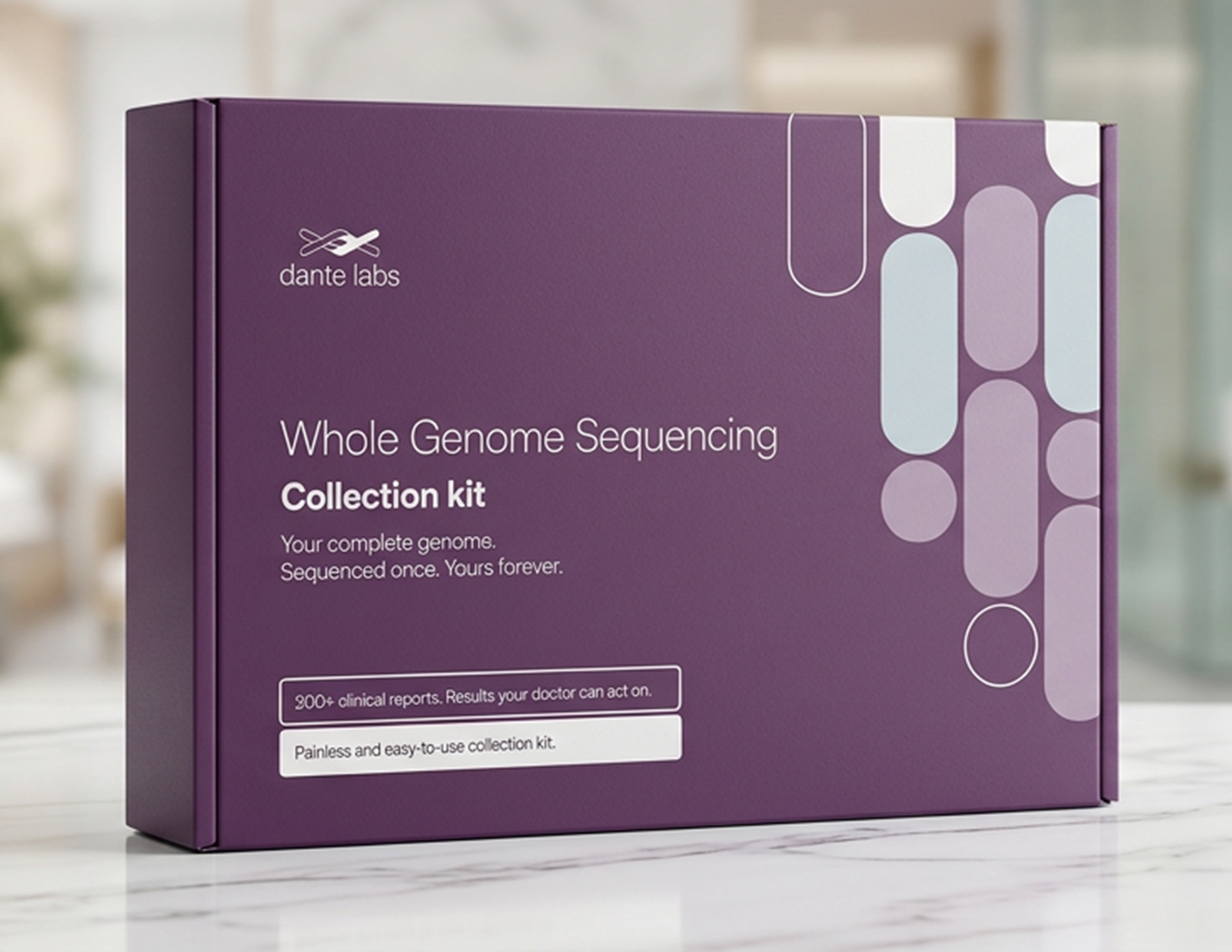
One kit, sent to your home. Your entire genome sequenced at the clinical standard used for diagnostic decisions. 200+ physician-ready reports delivered to your Genome Manager in 6–8 weeks — permanent and updated as science advances.

From $449

Ships within 48 hours · Results in 6–8 weeks