THROMBOPHILIA GENETIC TESTING

Thrombophilia Genetic Testing — 5-8% of Europeans carry Factor V Leiden or Prothrombin G20210A, and compound genotypes multiply VTE risk dramatically, guiding anticoagulation, contraception, and pregnancy decisions.

Whole genome sequencing evaluates ALL thrombophilia genes — Factor V Leiden (F5), Prothrombin G20210A (F2), protein C (PROC), protein S (PROS1), antithrombin III (SERPINC1), and additional clotting factor variants — from a single comprehensive test.

CLIA CertifiedCAP AccreditedISO 15189 Medical LabACMG ClassifiedHIPAA & GDPR100,000+ Genomes Sequenced

About this condition

Thrombophilia — Comprehensive Genetic Testing

Hereditary thrombophilia encompasses genetic variants that increase the risk of venous thromboembolism (DVT and PE). Factor V Leiden (F5 R506Q) is the most common, affecting ~5% of Europeans (heterozygous: 3-8x VTE risk; homozygous: 50-80x risk). Prothrombin G20210A (F2) affects ~2-3% of Europeans (2-5x risk). Protein C deficiency (PROC), protein S deficiency (PROS1), and antithrombin III deficiency (SERPINC1) are rarer but higher-risk.

Compound genotypes dramatically multiply risk: FVL heterozygous + prothrombin heterozygous = ~20x VTE risk (potentially lifelong anticoagulation). FVL homozygous = 50-80x risk. Protein C or antithrombin deficiency + FVL = very high risk. Only comprehensive testing revealing ALL thrombophilia variants enables accurate risk stratification and appropriate anticoagulation duration decisions.

Clinical implications include: anticoagulation duration after first VTE (3-6 months vs. lifelong based on genotype), hormonal contraception counseling (estrogen-containing contraceptives contraindicated in FVL/prothrombin carriers), pregnancy management (LMWH prophylaxis for higher-risk genotypes), and extended post-surgical prophylaxis. Every woman should ideally have thrombophilia screening before starting estrogen-containing contraception.

Estrogen-containing contraceptives are contraindicated in FVL and prothrombin carriers — but 5-8% of European women carry these variants unknowingly. Pre-prescribing thrombophilia screening prevents potentially fatal PE.

Gene locus
F5 (1q24.2), F2 (11p11.2), PROC (2q14.3), PROS1 (3q11.1), SERPINC1 (1q25.1)
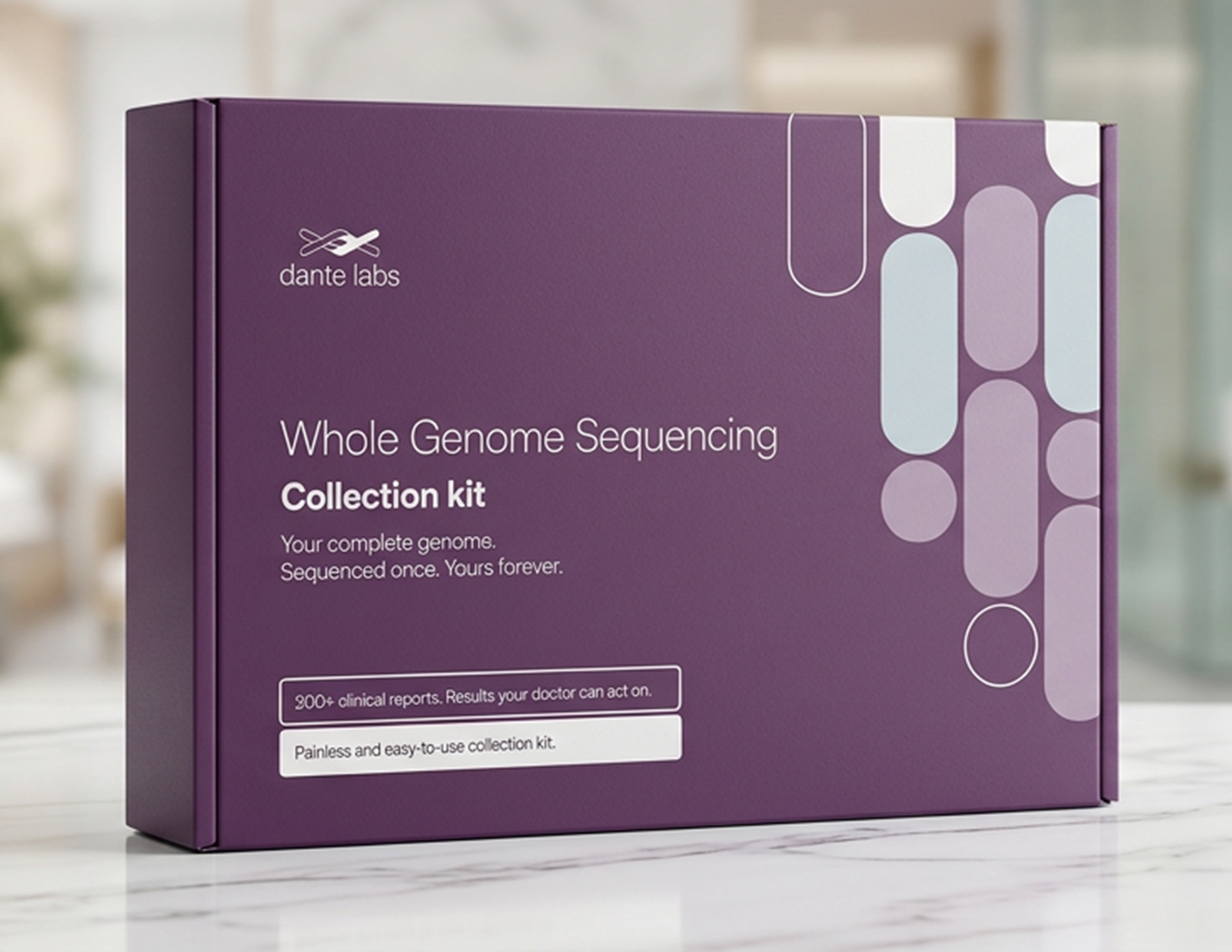
Thrombophilia testing determines anticoagulation duration, contraception safety, and pregnancy management. Compound genotypes require comprehensive testing — not single-gene FVL testing alone.

Compound genotypes require ALL variants tested simultaneously — single-gene testing misses critical risk multiplication

Testing FVL alone without prothrombin gives an incomplete picture. A patient with FVL heterozygous (3-8x risk, time-limited anticoagulation) who ALSO carries prothrombin heterozygous (compound ~20x risk, potentially lifelong anticoagulation) would be undertreated. WGS tests all thrombophilia genes simultaneously.

Pre-contraception thrombophilia screening should be universal — WGS identifies the 5-8% of women at elevated VTE risk from estrogen

If every woman had thrombophilia screening before starting estrogen-containing contraception, FVL and prothrombin carriers would receive progestin-only or non-hormonal alternatives — preventing potentially fatal pulmonary embolism. WGS provides this screening alongside comprehensive health genetics.

One test. A lifetime of answers.

One kit, sent to your home. Your entire genome sequenced at the clinical standard used for diagnostic decisions. 200+ physician-ready reports delivered to your Genome Manager in 6–8 weeks — permanent and updated as science advances.

From $449

Ships within 48 hours · Results in 6–8 weeks